

Es gibt einen guten Grund, warum Nusa Penida als bester Ort auf Bali bekannt ist, um große Tiere zu beobachten. Diese raue Insel liegt im Korallendreieck, dem artenreichsten Meeresgebiet der Erde. Sie bietet Erlebnisse, von denen die meisten Taucher nur träumen können. Riff-Mantarochen schwimmen das ganze Jahr über an Reinigungsstationen vorbei, und zwischen Juli und Oktober tauchen die seltsamen Mola Mola (Ozeanische Sonnenfische) aus den Tiefen auf. Hinzu kommen schnelle Strömungen entlang wunderschöner Korallenwände, eine Sichtweite von oft über 25 Metern und Wasser voller über 500 Korallenarten und 3.000 Fischarten – ein Ort, den jeder ernsthafte Taucher besuchen sollte.
Aber man kann nicht einfach so zum Tauchen nach Nusa Penida kommen. Die gleichen Strömungen und kalten Aufströmungen, die die Megafauna in die Gegend bringen, können für Taucher, die nicht darauf vorbereitet sind, auch schwierig sein. Eine gute Reise unterscheidet sich von einem unvergesslichen Tauchausflug, da man weiß, wann man fahren muss, was zu erwarten ist und wie man die Logistik plant.
Wichtige Fakten auf einen Blick:
- Beste Jahreszeit insgesamt: Mai–Oktober (Trockenzeit, ruhigere See, bessere Sichtverhältnisse)
- Mola-Mola-Saison: Juli bis Oktober, mit den meisten Begegnungen von Mitte August bis Ende September
- Mantarochen: Ganzjährig am Manta Point und in der Manta Bay
- Typische Sichtverhältnisse: 15–30 Meter, während der Trockenzeit an der Nordküste oft 20–30 Meter
- Wassertemperaturen: Nordküste 26–28 °C; im Süden/an tiefen Tauchplätzen kann die Temperatur während der Thermokline auf 18–20 °C fallen
- Durchschnittliche Tauchtiefe: 12–25 m an den meisten Tauchplätzen, bei Mola-Tauchgängen bis zu 30–40 m
Sie können Nusa Penida als Tagesausflug von Bali aus (Abfahrt von Sanur oder Padang Bai) oder mit Übernachtung auf Nusa Penida oder Nusa Lembongan besuchen. Die Überfahrt mit Schnellbooten dauert etwa 45 Minuten, und die meisten Tauchboote legen früh am Morgen ab, um die besten Bedingungen zu nutzen und Menschenmassen zu vermeiden.
Open Water-Taucher können an der Nordküste einfache Strömungstauchgänge genießen und an ruhigen Tagen die Manta-Standorte erkunden, wenn sie in Nusa Penida tauchen. Um jedoch am Außenhang von Crystal Bay, Blue Corner und anderen schwierigen Tauchplätzen zu tauchen, benötigen Sie eine Advanced Open Water-Zertifizierung und viel Erfahrung, z. B. 30 bis 50 protokollierte Tauchgänge mit aktueller Erfahrung.

Tauchen in Nusa Penida: Wo es liegt und warum das Tauchen dort so besonders ist
Die Nusa-Inseln sind eine Gruppe von drei Inseln südöstlich der Hauptinsel Bali, die durch die Badung-Straße voneinander getrennt sind. Nusa Penida ist die größte der drei Inseln. Sie hat steile Klippen, die in tiefe Kanäle abfallen. Nusa Lembongan und Nusa Ceningan liegen näher beieinander und sind durch die berühmte Yellow Bridge verbunden. Diese Lage am Eingang zur Lombok-Straße schafft die ozeanischen Bedingungen, die das Tauchen hier so besonders machen.
Geografische und ozeanografische Highlights:
- Die Inseln liegen direkt an einer wichtigen Meeresströmungsroute, an der sich das Wasser des Pazifischen und des Indischen Ozeans austauschen.
- Kalte, nährstoffreiche Aufströmungen steigen aus Tiefen von mehr als 200 Metern auf und bringen Plankton mit sich, das Filtrierer wie Mantarochen und saisonale Besucher wie Mola Mola anzieht.
- Das 2010 eingerichtete Meeresschutzgebiet Nusa Penida (MPA) umfasst wichtige Manta-Reinigungsstationen, Mola-Mola-Sammelplätze und die lebhaften Korallenriffe entlang der Nordküste.
- Tiefes Wasser umgibt die Inseln, was als Puffer gegen Temperaturschwankungen dient und pelagischen Arten Schutz bietet.
Von oben betrachtet wirkt die Insel Nusa Penida viel zerklüfteter und langgestreckter als Bali. Die Straßen können steil und schmal sein, insbesondere zu den berühmten Aussichtspunkten. Nusa Lembongan hat eine entspanntere, kompaktere Atmosphäre mit Tauchgeschäften rund um den Strand von Jungut Batu. Wenn die Tagesausflügler abends nach Bali zurückkehren, werden beide Inseln viel ruhiger. Das ist eine angenehme Abwechslung für Taucher, die sich zwischen den morgendlichen Tauchgängen erholen.
Die Strömungen und Sprungschichten beim Tauchen in Nusa Penida sind stärker und kälter als an vielen anderen Tauchplätzen in Indonesien. Dies ist wichtig für die Planung: Die richtige Thermoschutzkleidung, die richtige Tauchzertifizierung und die Auswahl von Tauchveranstaltern, die wissen, wie man die Tauchplätze an die Bedingungen anpasst, sind alles Dinge, die für einen erfolgreichen Tauchurlaub in Nusa Penida unerlässlich sind.
Tauchzeiten, Wasserbedingungen und was Sie Monat für Monat erwarten können
Taucher können das ganze Jahr über in Nusa Penida tauchen, jedoch ändern sich die Bedingungen und die Meeresfauna von Saison zu Saison stark. Wenn Sie Ihre Planung an diesen Mustern ausrichten, haben Sie eine bessere Sicht, die Oberfläche ist ruhiger und Sie haben eine größere Chance, die Arten zu sehen, wegen denen Sie gekommen sind.
Trockenzeit vs. Regenzeit:
Die Trockenzeit für das Tauchen in Nusa Penida dauert von April bis November. Während dieser Zeit ist das Meer ruhiger, der Wellengang geringer und die Sichtverhältnisse an allen Tauchplätzen in der Regel hervorragend. Die Regenzeit, die von Dezember bis März dauert, bringt mehr Wind, Regen und Wellengang mit sich. Dies gilt insbesondere für exponierte Gebiete an der Südküste wie Manta Point. Allerdings fällt in Nusa Penida meist weniger Regen als auf dem Festland von Bali, und an der Nordküste kann oft getaucht werden, auch wenn die Tauchplätze im Süden geschlossen sind.
Wassertemperaturbereiche:
| Ort | Typischer Bereich | Kaltes Thermoklinenabfall |
|---|---|---|
| Nordküste | 26–28 °C | Gelegentliche Absenkungen auf 24 °C |
| Südküste und tiefe Stellen | 27–28 °C an der Oberfläche | Kann in der Tiefe auf 18–20 °C fallen (vor allem Juli–Oktober) |
Erwartete Sichtverhältnisse:
Die meisten Taucher können beim Tauchen in Nusa Penida 15 bis 30 Meter weit sehen. An den Hügeln der Nordküste kann es während der Trockenzeit zu 20–30 mm Niederschlag kommen, was ideal für Fotos ist. Planktonblüten und Wellengang können die Sicht am Manta Point während der Regenzeit erschweren, aber dasselbe Plankton bedeutet oft auch, dass die Mantas beim Fressen aktiver sind.
Aufschlüsselung nach Monaten:
- Mai–Juni: Die Trockenzeit setzt ein, die Sicht verbessert sich, das Wasser beginnt sich abzukühlen, es sind weniger Menschen unterwegs als in den Spitzenmonaten – ideal für erfahrene Taucher, die Qualität ohne Konkurrenz suchen.
- Juli–Oktober: Hochsaison in Nusa Penida für Begegnungen mit Mola Mola, kälteste Wassertemperaturen, stärkste Sprungschichten, erhöhter Seegang vor der Küste; zu dieser Zeit suchen ernsthafte Taucher Crystal Bay und tiefere Tauchplätze auf
- November: Übergangsmonat mit weiterhin ausgezeichneten Tauchbedingungen und wärmerem Wasser; weniger Menschenmassen nach dem Ansturm in der Mola-Saison
- Dezember–März: Die Regenzeit bringt mehr Wind und Wellengang, insbesondere um Manta Point; mehr Ausfälle von Tauchgängen an exponierten Tauchplätzen, aber Drifttauchgänge an der Nordküste finden oft noch statt; insgesamt weniger Touristen
Empfehlungen zum Schutz vor Witterungseinflüssen:
Ein 3-mm-Neoprenanzug ist gut für warme Tage an Tauchplätzen an der Nordküste von Nusa Penida, die vor dem Wind geschützt sind. Bringen Sie einen 5-mm-Anzug mit einer Kapuzenweste für die Mola-Mola-Saison oder geplante Tieftauchgänge an der Südküste mit. Sie werden froh sein, den richtigen Wärmeschutz zu haben, wenn Sie in 25 Metern Tiefe die 18 °C kalte Sprungschicht erreichen.
Highlights der Meeresfauna: Mantas, Mola Mola und mehr
Sie verstehen, warum Taucher Jahr für Jahr zum Tauchen nach Nusa Penida zurückkehren, wenn Sie eine drei Meter breite Mantarochenbank in einer Reinigungsstation auf sich zukommen sehen, die still schwebt, während Putzerfische über ihre Kiemen huschen. Und wenn das Wasser plötzlich um zehn Grad abkühlt und ein riesiger Mondfisch aus dem Nichts auftaucht, wird dieses Wissen zu einer Art Sucht.
In diesem Gebiet gibt es sowohl permanente Bewohner als auch saisonale Besucher, was das ganze Jahr über für spannende Ereignisse sorgt. Die farbenfrohen Korallenriffe bilden die Grundlage des Meeresschutzgebiets. Es gibt mehr als 500 Korallenarten, die mehr als 3.000 Fischarten ein Zuhause bieten.
Mantarochen
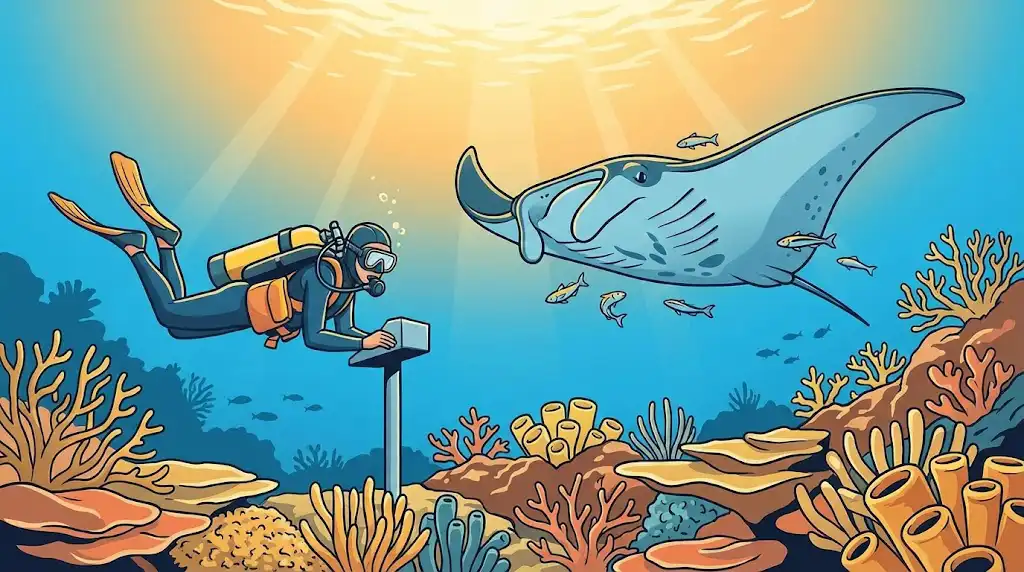
Riff-Mantarochen (Mobula alfredi) sind das ganze Jahr über in den Meeren von Manta Point und Manta Bay anzutreffen. Diese erstaunlichen Tiere besuchen Reinigungsstationen, wo kleine Rifffische sie von Parasiten befreien. So können Taucher ganz nah an sie herankommen, solange alle die Regeln für den Umgang mit Wildtieren befolgen.
- Tiefe: In der Regel 5–15 Meter über den Plateaus der Reinigungsstationen
- Beste Bedingungen: An Tagen mit etwas Wellengang und Planktonaktivität sind oft mehr Mantas zu sehen, obwohl raue Oberflächenbedingungen den Zugang mit dem Boot verhindern können
- Zuverlässigkeit der Sichtungen: Ganzjährig hoch, wobei einzelne Besuche je nach Strömung und Aktivität an der Reinigungsstation zwischen wenigen Minuten und mehreren Stunden dauern können
Ozeanischer Mondfisch (Mola Mola)
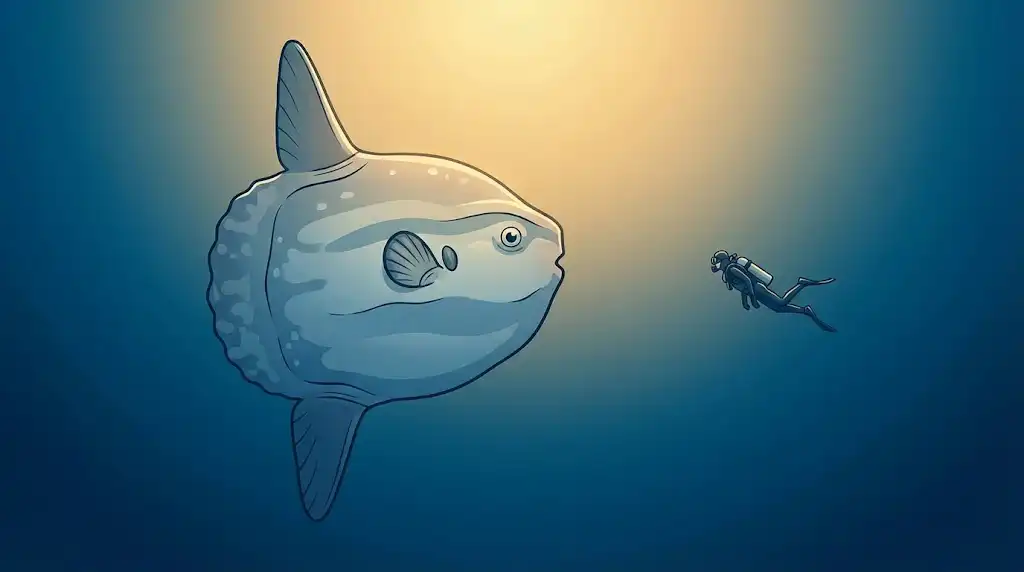
Der Mola Mola kommt mit dem kühlen Wasser und ist im Sommer und Herbst, von Juli bis Oktober, zu sehen. Diese seltsamen, alt aussehenden Fische sind die schwersten Knochenfische der Welt. Sie kommen aus tiefen Gewässern an die Reinigungsstationen an Unterwasserhängen, insbesondere in Crystal Bay.
- Beste Sichtungswahrscheinlichkeit: Von Mitte August bis Ende September sind die Chancen in der Regel am größten
- Häufige Fundorte: Crystal Bay, Toyapakeh-Wand, Blue Corner und einige Hänge an der Nordküste, wenn die Aufströmungen stärker werden.
- Typische Tiefen: 20–35 Meter, obwohl Sichtungen bei starken Sprungschichten auch in geringerer Tiefe möglich sind
- Wichtiger Hinweis: Selbst in der Hauptsaison sind Mola Mola nie garantiert; man braucht Geduld und muss sich richtig positionieren
Andere regelmäßig anzutreffende Arten
Abgesehen von den bekanntesten Tieren bietet das Tauchen in Nusa Penida durchweg hervorragende Begegnungen mit Meereslebewesen:
- Schildkröten: Echte Karettschildkröten und Grüne Meeresschildkröten sind an den meisten Tauchplätzen zu sehen, oft ruhen sie unter Tischkorallen oder weiden auf dem Riff
- Haie: Weißspitzen-Riffhaie sind an Korallenhängen häufig anzutreffen; gelegentlich sieht man Schwarzspitzen-Riffhaie und selten auch größere Arten an exponierten Tauchplätzen
- Rochen: Adlerrochen schwimmen entlang der Steilwände; Blaupunktrochen sind in sandigen Bereichen zu finden.
- Fischschwärme: Makrelen, Schnapper, Füsiliere und Doktorfische in dichten, wirbelnden Formationen
- Pelagische Besucher: Thunfische und Barrakudas, die an von Strömungen umspülten Stellen im Blau patrouillieren
Makro-Leben und Riffvielfalt
Der Fokus auf große Tiere sollte nicht die hervorragenden Rifftauchgänge von Nusa Penida überschatten. An der Nordküste gibt es gesunde Hart- und Weichkorallen, die eine vielfältige Makrofauna beherbergen:
- Nacktschnecken in bemerkenswerter Vielfalt auf Korallenköpfen
- Zwergseepferdchen auf Gorgonien (insbesondere am SD Point und benachbarten Tauchplätzen)
- Anglerfische, Skorpionfische und Tintenfische in Geröll und Korallenfeldern
- Einige Hirnkoralle, deren Alter auf über 200 Jahre geschätzt wird und die nur wenige Millimeter pro Jahr wachsen
Verantwortungsvoller Umgang mit Wildtieren:
Der MPA-Kodex betont, dass Meereslebewesen nicht zu sehr gestört werden sollten. Halten Sie mindestens 3 bis 5 Meter Abstand zu Mantarochen und Mondfischen. Berühren Sie sie nicht, jagen Sie sie nicht und behindern Sie sie nicht. Verwenden Sie keinen Blitz bei Mondfischen und verwenden Sie Blitzgeräte in der Nähe von Mantarochen nur, wenn es unbedingt notwendig ist. Diese Regeln dienen der Sicherheit sowohl der Tiere als auch der anderen Taucher.
Wichtige Tauchgebiete und bekannte Tauchplätze in Nusa Penida
Die meisten Tauchveranstalter gruppieren die besten Tauchplätze von Nusa Penida nach Küstenabschnitten. Die berühmten Manta-Tauchplätze befinden sich an der Südküste, Crystal Bay und die angrenzenden Hänge an der Westküste, Weltklasse-Strömungstauchgänge entlang durchgehender Riffsysteme an der Nordküste und die Ostküste bietet abenteuerlustigen Tauchern mehr Möglichkeiten zur Erkundung.
Die Tiefen an den wichtigsten Tauchplätzen reichen von 5 bis zu mehr als 40 Metern, jedoch tauchen die meisten Menschen gerne in einer Tiefe von 12 bis 25 Metern. Die Strömungen können schwach oder stark sein und sogar mitten während eines Tauchgangs ihre Richtung ändern. Erfahrene lokale Guides behalten die Bedingungen ständig im Auge und wählen die Tauchplätze entsprechend den Gezeiten, dem Wellengang und dem Können der Teilnehmer ihrer kleinen Gruppen aus.
In den nächsten Abschnitten finden Sie eine Liste der beliebtesten Tauchziele nach Region sowie alle Informationen, die Sie für die Planung Ihrer Tage unter Wasser benötigen.
Manta Point und Manta Bay – Hotspots für Mantarochen an der Südküste
Manta Point liegt an der exponierten Südwestküste von Nusa Penida. Von den nördlichen Hafenregionen aus dauert die Bootsfahrt 45 bis 60 Minuten (von Bali aus länger). Dies ist der beste Ort in der Region, um Mantas zu beobachten, und Menschen aus aller Welt kommen hierher, um zu tauchen und zu schnorcheln.
Manta Point im Profil:
Die Reinigungsstation am Manta Point befindet sich auf einem flachen Plateau in 5 bis 10 Metern Tiefe. Dort gibt es große Kalksteinfelsen, um die Riffmantas schwimmen und schweben. Bei gutem Wetter und einer erfahrenen Gruppe beginnt das typische Profil flach auf dem Plateau und geht dann etwas tiefer (15 bis 20 m) entlang des daran angrenzenden Abhangs.
Zu erwartende Bedingungen:
- Dieser exponierte Ort ist regelmäßig von Wellengang betroffen, insbesondere von Dezember bis März; die Oberflächenbedingungen zwingen manchmal zur Absage von Tauchgängen, selbst wenn die Sicht unter Wasser gut bleibt.
- Aufströmungen sorgen für kühleres Wasser und häufige Sprungschichten.
- Was die Tiefe angeht, ist der Tauchplatz für Anfänger geeignet, jedoch nur bei ruhiger See und milden Strömungen – die Eignung an einem bestimmten Tag wird vom Betreiber beurteilt.
Manta Bay:
Manta Bay liegt näher an der Hauptinsel und ist besser geschützt als Manta Point. Dort gibt es ein flaches Riff, an dem Mantas manchmal fressen. Wenn die Brandung Manta Point zu rau macht, nutzen die Veranstalter oft diesen Ort als Alternative. Er eignet sich hervorragend für Tage, an denen man schnorcheln und tauchen möchte, oder für Fotografen, die ruhigere Bedingungen bevorzugen.
Weitere Meereslebewesen:
Zusätzlich zur Hauptattraktion können Sie an beiden Orten Blaupunktrochen, Schwärme von Fledermausfischen, Bambushaie, Tintenfische, Hummer und Flecken von Weichkorallen und Schwämmen sehen.
Überfüllung:
Bis zum Vormittag werden viele Boote aus Bali und Penida eingetroffen sein. Tauchveranstalter, die ihre Kunden früh losfahren lassen, bieten ihnen die beste Chance, vor dem Ansturm ohne viele andere Menschen in der Nähe etwas zu sehen.
Crystal Bay – Zentrum der Mola Mola und anspruchsvolle Bedingungen
Crystal Bay ist bekannt für seine Mola-Mola-Begegnungen, doch seine Schönheit bringt große Probleme mit sich, die respektiert werden müssen. Dieser Ort trennt erfahrene Taucher von anderen, die mehr Training benötigen, bevor sie es versuchen können.
Topografie:
Die Bucht hat einen sicheren Sandboden und einen Korallenriff in der Mitte, der sich von 15 Metern bis knapp unter die Oberfläche erhebt. Das eigentliche Geschehen findet außerhalb der Bucht statt, wo ein kurzer Kanal zu einer steilen Klippe und einem großen Abhang führt. Mola Mola tauchen normalerweise an dieser Außenwand zwischen 25 und 40 Metern auf.
Verhalten der Mola Mola:
Während der geschäftigsten Zeit des Jahres (Juli bis Oktober) schwimmen Mondfische zu Reinigungsstationen am Hang. Taucher, die zur richtigen Zeit am richtigen Ort sind, können lange Interaktionen beobachten. Das Wichtigste ist, still und tief zu bleiben, damit die Fische zu Ihnen kommen können, anstatt dass Sie sie in tieferes Wasser jagen.
Herausfordernde Bedingungen:
An der Außenwand von Crystal Bay gibt es starke, wirbelnde Strömungen, die plötzlich in Abwärtsströmungen umschlagen können. Wenn Thermoklinen auftreten, sinkt die Wassertemperatur recht schnell. So kann sie beispielsweise innerhalb weniger Meter Tiefe von 27 °C auf 18 °C fallen.
Empfohlene Mindestvoraussetzungen:
- Advanced Open Water-Zertifizierung (oder gleichwertig)
- Tauchgänge bis zu 30 Metern in den letzten Monaten
- Solide Tarierungskontrolle und echte Sicherheit in Strömungen
- Idealerweise 30–50+ protokollierte Tauchgänge mit etwas Erfahrung im Strömungstauchen
Andere Meereslebewesen:
Echte Karettschildkröten schwimmen im flachen Wasser, Schwärme von Rifffischen umgeben den mittleren Riffblock und Riffhaie schwimmen am Rand des Abhangs. Schwärme von Füsiliers und Schnappern sorgen für ständige Bewegung. Liebhaber der Makrofotografie finden in den sandigen Bereichen der Bucht kleine Lebewesen.
Sicherheitsprotokoll:
Verantwortungsbewusste Tauchveranstalter halten weniger erfahrene Taucher in der sicheren Buchtregion in einer Tiefe von 10 bis 18 Metern, während erfahrenere Gruppen den äußeren Hang erkunden. Wenn die Strömungen zu stark werden, brechen die Tauchguides den Tauchgang vorzeitig ab. Diese Entscheidung dient der Sicherheit aller und sollte niemals in Frage gestellt werden.
Strömungen an der Nordküste – SD, PED, Sental, PMG und darüber hinaus
Die geschützte Nordküste besteht aus einem langen Saumriffsystem. Einige der besten Strömungstauchgänge in der Region finden sich an benannten Ein- und Ausstiegsstellen wie SD Point, PED, Sental und PMG. An diesen Tauchplätzen ist immer viel los, aber sie haben nicht die Probleme mit der Exposition wie die Tauchplätze an der Südküste.
Topografie:
Das Riff fällt von 3 bis 5 Metern auf 25 bis 30 Meter oder tiefer ab. Der mittlere Abhang beherbergt dichte Gärten aus Hartkorallen, spektakulären Seefächern und wunderschönen Weichkorallen. In den sandigen Bereichen weiter unten findet man manchmal Gartenaale und Rochen, die sich ausruhen.
Tauchstil:
Diese Tauchplätze zeichnen sich durch klassisches Strömungstauchen aus: negativer oder kontrollierter Einstieg, dann entlang der Riffströmungen gleiten, während die Guides die Tiefe und den Kurs steuern. Die Strömungen fließen in der Regel entlang des Riffs, aber ihre Stärke variiert. An manchen Tagen sind sie moderat, an anderen Tagen sind sie so stark, dass ein schneller Abstieg und eine stabile Tarierung erforderlich sind.
Highlights der Meeresfauna:
- Schildkröten an fast jedem Tauchplatz
- Schwärme von Füsiliere, Schnapper, Doktorfische, Makrelen, Fledermausfische und Mitternachtsschnapper
- Makro-Möglichkeiten auf Korallenköpfen, darunter Nacktschnecken und verzierte Geisterpfeifenfische in der Saison
- Gelegentlich taucht Mola mola in den kühleren Monaten, wenn die Sprungschicht die Nordküste erreicht, in mittlerer Wassertiefe auf
Geeignet für Taucher mit folgendem Erfahrungsniveau:
Diese Tauchplätze eignen sich hervorragend für qualifizierte Taucher, die über ein Open-Water-Zertifikat verfügen und bereits einige Drifttauchgänge vor Nusa Penida absolviert haben. Sie sind ideal, um das Selbstvertrauen zu stärken, bevor man sich an anspruchsvollere Strömungsgebiete wagt, vorausgesetzt, die Tauchveranstalter halten die Gruppen klein und passen sie dem Komfortniveau der Teilnehmer an.
Praktische Vorteile:
An den Tauchplätzen an der Nordküste sind weniger Menschen unterwegs als in Crystal Bay oder Manta Point, insbesondere bei Tauchgängen, die früh am Morgen starten. Bei geringem Wellengang kann man hier praktisch das ganze Jahr über tauchen, sodass diese Tauchplätze eine gute Wahl sind, wenn die südlichen Tauchplätze geschlossen sind.
Toyapakeh, Gamat Bay und Ceningan Wall – Kanäle und lebhafte Riffe
Die Gewässer zwischen Nusa Penida und Nusa Ceningan bilden Kanäle, die eine Vielzahl von Meereslebewesen anziehen und einzigartige Taucherlebnisse bieten, wie zum Beispiel die Strömungen an der Nordküste und die Manta-Standorte – fantastische Erlebnisse für Taucher in Nusa Penida.
Toyapakeh:
Toyapakeh liegt in der Nähe der Wasserstraße zwischen den Inseln und verfügt über terrassierte Korallenhänge, Überhänge und einen Abhang in tieferes blaues Wasser. Der Ort ist bekannt für seine robuste Korallenbedeckung, dichte Schwärme von Rifffischen und die Tatsache, dass manchmal Mantarochen oder Mola Molas auftauchen, wenn die Strömungen günstig sind.
Bei Flut kann die Strömung hier stark sein und in verschiedene Richtungen gehen. Einheimische bezeichnen diesen Ort manchmal als einen der „sportlicheren” Strömungsplätze der Region. Es wird empfohlen, dass Sie über eine Fortgeschrittenenzertifizierung oder zumindest etwas Erfahrung mit mittelstarken Strömungen verfügen.
Gamat Bay:
Diese kleine Bucht hat einen sandigen Grund, der von 5 bis 15 Meter tiefen Korallenriffen geschützt wird. Der äußere Teil reicht bis auf 25–30 Meter Tiefe und beherbergt große Schwämme und eine Vielzahl von Rifftieren. Gamat Bay wird manchmal als zweiter oder dritter Tauchplatz genutzt oder als sicherer Ort zum Tauchen an Tagen, an denen die Wellen andere Orte zu gefährlich machen.
Ceningan Wall:
Ceningan Wall hat eine steilere Wand entlang des Kanals zwischen den Inseln. Von hier aus können Sie das blaue Wasser sehen und Schwärme von pelagischen Tieren beobachten. Thunfische, Makrelen und größere Rochen schwimmen oft am Rand der Strömung entlang. Meistens können nur fortgeschrittene zertifizierte Taucher, die mit Tiefe und Strömung vertraut sind, diesen Tauchplatz nutzen.
Häufige Meereslebewesen:
An allen drei Orten gibt es dichte Kolonien von Weichkorallen, große Fassschwämme, wunderschöne Anthias-Wolken, versteckte Skorpionfische und manchmal auch Riffhaie. Die Tatsache, dass es so viele verschiedene Arten gibt, macht sie ideal für mehrtägige Ausflüge.
Logistik:
Diese Tauchplätze von Nusa Penida sind von Penida, Lembongan oder Ceningan aus leicht zu erreichen. Die Veranstalter kombinieren diese manchmal zu spannenden Tagestouren mit drei Tauchgängen in unterschiedlichen Lebensräumen.
Tauchplätze an der Ostküste – Karang Sari, Batu Abah und weitere Erkundungstauchgänge
An der Ostküste gibt es weniger Taucher, da die Bootsausflüge länger dauern und die Bedingungen rauer sind. Die Reise lohnt sich jedoch wegen der wunderschönen Riffe und der echten Abgeschiedenheit.
Karang Sari:
Hier gibt es einen steilen Abhang oder eine Wand mit vielen Korallenköpfen, Gorgonien und Durchschwimmmöglichkeiten. Die Sichtverhältnisse sind in der Regel besser als an den Tauchplätzen an der Nordküste, und die Unterwasserwelt umfasst Fischschwärme, Adlerrochen und manchmal auch pelagische Besucher. Einige Anbieter berichten, dass sie hier Baby-Riffhaie gefunden haben, die sich hinter Tischkorallenformationen versteckt haben.
Batu Abah:
Die Felsgipfel vor der Küste sind starken Strömungen und Wellen ausgesetzt. Bei gutem Wetter, was in der Regel ruhige See und kräftige Aufströmungen bedeutet, ist das Wasser recht klar und kühl. In der Saison kann man Mola Mola und das ganze Jahr über größere Fische beobachten. Dieser Tauchplatz ist nur für erfahrene Taucher geeignet, die bereits Erfahrung mit den Strömungen in Penida haben.
Naturschutzaspekt:
Einige Tauchunternehmen und Meeresschutz-NGOs haben Initiativen zur Regeneration oder Überwachung von Korallen entlang der Ostküste ins Leben gerufen. Taucher können sichtbare Renaturierungsflächen sehen. Diese Stellen müssen besonders geschützt werden, damit die Korallenkolonien nicht durch Flossen beschädigt werden.
Wetterabhängigkeit:
Nicht jedes Wochenprogramm umfasst Tauchgänge an der Ostküste. Wenn die Bedingungen stimmen, gelten sie als besondere Expeditionen. Das macht sie ideal für Wiederholungstouristen oder erfahrene Taucher, die ruhigere Gebiete abseits der belebten Tauchspots erkunden möchten.
Tauchen von Bali aus oder Aufenthalt auf Nusa Penida oder Nusa Lembongan
Eine der ersten Entscheidungen, die ein Taucher treffen muss, ist die Wahl der Unterkunft: auf dem Festland von Bali mit Tagesausflügen zum Tauchen nach Nusa Penida oder Umzug nach Nusa Penida oder Lembongan für Tauchtage. Beide Methoden funktionieren, sind jedoch für unterschiedliche Arten von Reisenden und deren Bedürfnisse besser geeignet.
Tagesausflüge von Bali
Die meisten Tauchshops in Sanur und einige in Padang Bai bieten tägliche Ausflüge nach Nusa Penida an. Ein typischer Tag beginnt mit der Abholung vom Hotel am frühen Morgen (normalerweise zwischen 6:00 und 7:00 Uhr), einer schnellen Bootsfahrt von 7:30 bis 9:00 Uhr, zwei bis drei Tauchgängen im Laufe des Tages und der Rückkehr nach Bali am späten Nachmittag.
Vorteile:
- Kein Umpacken und kein Wechseln der Unterkunft
- Ideal für Reisende aus Sanur, Seminyak, Canggu oder Kuta, die das Tauchen in Penida ausprobieren möchten, ohne sich für mehrere Tage zu verpflichten
- Der Zugang zu den Restaurants, dem Nachtleben und der Vielfalt an Unterkünften auf Bali bleibt erhalten
Zu beachten:
- Lange Tage mit erheblicher Transitzeit
- Raues Meer kann die Überfahrt verlängern oder gelegentlich sogar zur vollständigen Absage der Tour führen
- Weniger Flexibilität bei sehr frühen Abfahrten oder Tagen mit drei Tauchgängen
- Bedenken hinsichtlich der Oberflächenpause, wenn innerhalb von 24 Stunden nach der Rückkehr ein Flug ansteht
Aufenthalt auf Nusa Penida
Wenn Sie sich auf Nusa Penida selbst niederlassen, können Sie sich ganz auf das Tauchen konzentrieren.
Vorteile:
- Kürzere Bootsfahrten zu den meisten Tauchplätzen
- Flexibilität für sehr frühe Abfahrten, um den Menschenmassen am Manta Point oder in der Crystal Bay zuvorzukommen
- Einfachere Planung von Tagen mit drei Tauchgängen ohne anstrengende Transfers
- Eintauchen in die raue Atmosphäre der Insel und atemberaubende Landschaften
Zu beachten:
- Die Infrastruktur befindet sich noch im Aufbau; einige Straßen sind nach wie vor schmal und holprig, insbesondere zu den Aussichtspunkten im Westen
- Weniger Restaurants und Nachtleben als auf Bali
- Das Angebot an Unterkünften wächst, ist aber immer noch begrenzter als in Lembongan
Aufenthalt auf Nusa Lembongan (und Ceningan)
Nusa Lembongan bietet einen Mittelweg: kompakt genug, um es leicht zu erkunden, mit etablierten Tauchzentren entlang des Jungut Batu Strandes und der Yellow Bridge Verbindung nach Ceningan.
Vorteile:
- Viele Tauchveranstalter in Laufnähe
- Einfacher Zugang zu Aussichtspunkten und Stränden mit dem Motorroller
- Besser ausgebaute touristische Infrastruktur als auf Penida
- Entspannte Dorfatmosphäre, sobald die Tagesausflügler abgereist sind
Zu beachten
- Die wichtigsten Manta- und Mola-Standorte liegen vor Penida und erfordern eine Bootsfahrt von 30–45 Minuten
- Kleinere Insel bedeutet im Vergleich zu Penidas dramatischer Geografie eine begrenzte Vielfalt an Erkundungsmöglichkeiten
Reisezeiten
| Route | Typische Dauer |
|---|---|
| Sanur nach Penida/Lembongan | 30–45 Minuten mit dem Schnellboot |
| Penida nach Lembongan (lokales Boot) | 10–20 Minuten |
| Padang Bai nach Penida | 45–60 Minuten |
Erforderliche Zertifizierungen, Erfahrungsstufen und typische Tauchprofile
Die Kombination aus Strömungen, Tiefe und kalten Sprungschichten beim Tauchen in Nusa Penida macht es sehr wichtig, die Tauchplätze an Ihr Können anzupassen. Das ist keine Zugangsbeschränkung, sondern lediglich die Erkenntnis, dass die Bedingungen hier selbst für erfahrene Taucher schwierig sein können und dass eine gute Vorbereitung dazu beitragen kann, Unfälle zu vermeiden.
Anforderungen an das Zertifizierungsniveau
| Programm/Zertifizierung | Geeignete Tauchplätze | Anmerkungen |
|---|---|---|
| Discover Scuba / Try Dive | Geschützte Buchten an der Nordküste, seichte Gewässer der Gamat Bay | Maximal 6–12 m, nur bei ruhigen Bedingungen |
| Open Water Diver | Strömungen an der Nordküste (milde Bedingungen), Manta-Tauchplätze an ruhigen Tagen, geschützte Buchten | Tiefen bis zu 18 m |
| Fortgeschrittenes Freiwasser | Außenhang von Crystal Bay, Toyapakeh, tiefe Kanaltauchplätze, Tauchgänge mit Schwerpunkt auf Mola | Tiefen bis zu 30 m+, Strömungseinwirkung |
Erfahrungsrichtlinien
Über die Zertifizierungskarten hinaus ist hier die protokollierte Erfahrung von großer Bedeutung:
- Mindestens 20–30 protokollierte Tauchgänge, bevor anspruchsvollere Tauchplätze in Penida in Angriff genommen werden
- Vorherige Erfahrung mit Strömungstauchgängen wird für alle Strömungs-Tauchplätze dringend empfohlen
- Taucher mit weniger als 50 Tauchgängen sollten bei Tauchgängen an der Außenwand von Crystal Bay oder in schnellen Kanälen selektiv vorgehen
- Die jüngste Tauchaktivität ist wichtig – Taucher, die etwas aus der Übung sind, sollten vor Tauchgängen an tiefen oder strömungsreichen Tauchplätzen Auffrischungstauchgänge absolvieren
Typische Tauchprofile
Manta Point:
- Maximale Tiefe: 15–20 Meter
- Dauer: 45–60 Minuten
- Bedingungen: Kühles Wasser, oft mit Wellengang und leichter Strömung
Crystal Bay (Fortgeschrittene Gruppe):
- Maximale Tiefe: 25–30 Meter für die Suche nach Molas, Aufstieg auf 10–15 Meter in geschützter Bucht
- Dauer: 40–50 Minuten, abhängig vom Luftverbrauch und den Bedingungen
- Bedingungen: Variable Strömungen, mögliche Abwärtsströmungen, erhebliche Sprungschichten
Nordküsten-Strömungen:
- Profil: Start bei 10–18 Metern, Drift entlang des Abhangs, allmählicher Aufstieg für Sicherheitsstopp über flachem Riff
- Dauer: 50–60 Minuten
- Bedingungen: Im Allgemeinen gut beherrschbare Strömungen, hervorragend zum Sammeln von Erfahrung geeignet
Sicherheitsvorkehrungen
- Kleine Gruppen von maximal 3–4 Tauchern pro Guide
- Training und Übung zum Einsatz von Oberflächenmarkierungsbojen
- Sorgfältige Beachtung der Einweisungen zu Abwärtsströmungen und Ausstiegsverfahren
- Klare Kommunikation über Komfortniveau und Luftverbrauch
Einige Tauchunternehmen lassen Sie nur dann an Mola-Tauchgängen teilnehmen, wenn Sie über eine Advanced-Zertifizierung und einen Nachweis über kürzlich absolvierte Tieftauchgänge verfügen. Dies dient der Sicherheit jedes einzelnen Tauchers und der Gruppe.
Was Sie anziehen und mitbringen sollten: Ausrüstung, Kälteschutz und Sicherheit
Aufgrund der Strömungen, Sprungschichten und Riffmorphologie von Nusa Penida ist es sehr wichtig, Ihre Ausrüstung sorgfältig auszuwählen. Dinge, die in warmen, ruhigen tropischen Gewässern funktionieren, sind hier möglicherweise nicht geeignet und können sogar zu gefährlicher Unterkühlung führen.
Kälteschutz
| Bedingungen | Empfohlener Schutz |
|---|---|
| Warme Tage, flache Nordküste | 3 mm Neoprenanzug |
| Mola-Saison, Tauchgänge an der Südküste | 5 mm Neoprenanzug mit Kapuzenweste |
| Tieftauchgänge zu jeder Jahreszeit | Mindestens 5 mm, bei Kälteempfindlichkeit 7 mm |
Wenn in 25 Metern Tiefe starke Thermoklinen auftreten, kann die Wassertemperatur innerhalb von Sekunden von 27 °C auf 18 °C fallen. Thermischer Schutz verhindert, dass Menschen bei Kälte in Panik geraten, was zu schnellen Aufstiegen und anderen riskanten Entscheidungen führen kann.
Die meisten Tauchzentren erlauben keine Handschuhe, da diese das Berühren des Riffs erleichtern. Erkundigen Sie sich bei dem Tauchzentrum, das Sie besuchen möchten, nach den örtlichen Regeln und Gepflogenheiten.
Unverzichtbare Sicherheitsausrüstung
- Oberflächenmarkierungsboje (SMB): Unverzichtbar für jedes Buddy-Team; Strömungen können Taucher schnell von Booten trennen
- Tauchcomputer: Unverzichtbar für die Verfolgung mehrerer Tauchgänge pro Tag mit häufigen Profilen von 20 bis 30 Metern
- Riffsichere Sonnencreme und Rashguard: Längere Oberflächenpausen auf offenen Booten bedeuten eine erhebliche Sonneneinstrahlung
Optionale Ausrüstung
- Weitwinkelobjektiv oder Action-Kamera: Für Begegnungen mit Mantas und Molas
- Makroobjektiv: Für Korallen- und Kleintierfotografie an der Nordküste
- Medikamente gegen Seekrankheit: Besonders hilfreich bei längeren Fahrten zu Tauchplätzen an der Süd- und Ostküste
- Riffhaken: In Penida in der Regel nicht erforderlich und können Korallen beschädigen; stattdessen auf kontrolliertes Flossenschwimmen und Auftrieb achten
Verfügbarkeit von Leihausrüstung
Die meisten Tauchshops in Nusa Penida vermieten alles, was Sie zum Tauchen benötigen, wie BCD, Atemregler, Neoprenanzug, Flossen, Maske und gelegentlich sogar einen Tauchcomputer (gegen Aufpreis). Informieren Sie sich vor der Buchung, welche Artikel enthalten sind, welche Größen verfügbar sind und in welchem Zustand sich die Ausrüstung befindet. Dies ist besonders wichtig für Neoprenanzüge, da ein zu dünner Leihanzug bei einem Mola-Tauchgang gefährlich sein kann.
Tauchkurse, Ausbildung und Spezialkurse in Nusa Penida
Die Nusa-Inseln haben sich von unterhaltsamen Tauchplätzen zu echten Ausbildungszentren entwickelt, mit vielen PADI- und SSI-Schulen, die Programme anbieten, die von Anfängerzertifizierungen bis hin zu professioneller Weiterbildung reichen. Die realistischen Bedingungen hier bieten Ihnen Erfahrungen, die Sie in einer kontrollierten Poolumgebung nicht machen können.
Anfängerprogramme
- Discover Scuba / Try Dive: Verfügbar für nicht zertifizierte Besucher, beschränkt auf flache, ruhige Bedingungen an geschützten Orten
- Open Water-Zertifizierung: Wird in 3–4 Tagen absolviert und umfasst in der Regel Tauchgänge an den Riffen der Nordküste und in geschützten Buchten, wo die Bedingungen für den Erwerb von Fähigkeiten gut zu bewältigen sind
Fortgeschrittenen- und Spezialausbildung
Die Bedingungen hier machen bestimmte Spezialisierungen besonders relevant:
- Advanced Open Water: Umfasst Tief- und Strömungstauchgänge unter realen Strömungsbedingungen
- Drift Diver Specialty: Konzentriert sich auf sichere Eintritte, Strömungslesen und SMB-Einsatz aus der Tiefe – Fähigkeiten, die hier direkt beim täglichen Tauchen anwendbar sind
- Deep Diver: Baut Selbstvertrauen für Erkundungen bis zu 40 Metern auf, wo Mola und pelagische Fische häufiger anzutreffen sind
- Nitrox/Enriched Air: Verlängert die Grundzeit an Tagen mit mehreren Tauchgängen auf sichere Weise, was angesichts der täglichen Mehrfachtauchgänge, die die meisten Besucher unternehmen, sehr wertvoll ist
Freitauchen
Mehrere Orte bieten mittlerweile Freitauchkurse und geführte Tauchgänge an. Diese finden in der Regel in geschützten Buchten und entlang von Steilwänden mit klarem Wasser und leicht zu bewältigenden Strömungen statt. Freitaucher sollten sich von Gebieten mit viel Bootsverkehr fernhalten und strenge Sicherheitsregeln befolgen, die besagen, dass eine Person auftauchen und eine Person abtauchen sollte.

Tauch-Sicherheit, Strömungen und Umweltvorschriften im Meeresschutzgebiet Nusa Penida
Nusa Penida ist wunderschön, birgt aber auch echte Gefahren. Starke Strömungen, unerwartete Abwärtsströmungen, Wellengang und häufiger Bootsverkehr machen es wichtig, den Einweisungen aufmerksam zuzuhören und die festgelegten Regeln zu befolgen. Die Tauchveranstalter, die seit Jahren in diesen Gewässern tätig sind, haben gute Gründe für ihre Vorgehensweise.
Aktuelle Sicherheitslage
In diesem Gebiet gibt es verschiedene Strömungsarten, die Taucher kennen müssen:
- Strömungen entlang des Riffs: Das häufigste Muster, das mit der richtigen Positionierung und Kommunikation mit dem Guide zu bewältigen ist.
- Querströmungen: Können Taucher von der vorgesehenen Route abbringen; erfordern Aufmerksamkeit und Korrekturmaßnahmen
- Abwärtsströmungen: Besonders gefährlich an Ecken und steilen Hängen; wenn Sie davon erfasst werden, schwimmen Sie horizontal in Richtung Riff, anstatt sich nach oben zu kämpfen
Wichtige Verhaltensregeln:
- Bleiben Sie während des gesamten Tauchgangs in der Nähe des Riffs und Ihres Tauchlehrers.
- Vermeiden Sie es, Tiere ins offene Wasser zu verfolgen, egal wie nah die Begegnung scheint
- Halten Sie eine neutrale Tarierung weit über dem Meeresboden ein – Flossenschläge beschädigen Korallen und wirbeln Sedimente auf
- Melden Sie frühzeitig, wenn Ihre Luftvorräte zur Neige gehen; vorsichtige Aufstiege in Strömungen dauern länger als Aufstiege in ruhigem Wasser.
- Brechen Sie Tauchgänge frühzeitig ab, wenn Sie sich unwohl fühlen – kein Foto und keine Sichtung ist einen Dekompressionsunfall wert
Sicherheit auf dem Boot
Da viele Boote in konzentrierten Gebieten operieren, sind Oberflächenverfahren wichtig:
- Bleiben Sie während des Aufstiegs in der Nähe Ihrer SMB, insbesondere am Manta Point und in der Crystal Bay, wo der Bootsverkehr vormittags am stärksten ist.
- Behalten Sie den Atemregler im Mund, bis Sie sicher auf der Bootsleiter sind
- Vermeiden Sie es, weit entfernt von Ihrer Gruppe aufzutauchen – wenn Sie getrennt werden, blasen Sie sofort die SMB auf und warten Sie auf Abholung.
Verhaltenskodex für den Umweltschutz
Die MPA legt klare Richtlinien für den Umgang mit Wildtieren fest:
- Mindestabstand: 3–5 Meter zu Mantarochen und Mondfischen zu jeder Zeit
- Keine Berührungen, Verfolgungen oder Blockierungen der Bewegungswege der Tiere
- Hinweise zum Fotografieren: Vermeiden Sie Blitzlicht bei Mondfischen; verwenden Sie Blitzgeräte in der Nähe von Mantarochen nur sparsam.
- Schutz der Riffe: Flossen und Knie von Korallen fernhalten; nicht auf Riffen stehen oder sich an Seefächern festhalten, um das Gleichgewicht zu halten
Gebühren und Vorschriften für die MPA
Für das Tauchen in der MPA Nusa Penida wird eine tägliche Meeresgebühr erhoben, die für Patrouillen, die Instandhaltung der Ankerplätze und Naturschutzmaßnahmen verwendet wird. Die Beträge und Zahlungsmethoden ändern sich von Zeit zu Zeit, daher sollten Sie sich vor Ihrer Abreise bei Ihrem ausgewählten Anbieter erkundigen.
Planung Ihrer Tauchreise nach Nusa Penida und Auswahl der Unterkunft
Vorausplanung ist der erste Schritt zu einem erfolgreichen Tauchurlaub in Nusa Penida. Ob Sie Mola Mola in klarem Wasser sehen oder Ihren Urlaub damit verbringen, vom Ufer aus die wilde See zu beobachten, hängt davon ab, wann Sie reisen, wo Sie übernachten und wie Sie Ihre Reise organisieren.
Wichtige Planungsprioritäten
- Legen Sie Ihre Hauptziele fest: Nur Mantas (ganzjährig möglich) oder Mantas plus Mola Mola (Zeitraum Juli–Oktober)
- Wählen Sie Ihren Ausgangspunkt: Bali für Flexibilität und Abwechslung, Penida oder Lembongan für maximale Zeit im Wasser
- Bewerten Sie Ihre Zertifizierung und Erfahrung: Seien Sie ehrlich, ob Sie für die Bedingungen in Crystal Bay bereit sind
Unterkunftsmöglichkeiten
Nusa Penida:
- Günstige Privatunterkünfte vor allem in den Gebieten Toyapakeh, Sampalan und Buyuk
- Bungalows der mittleren Preisklasse entlang der Nordküste mit Meerblick
- Boutique-Tauchresorts mit integrierten Tauchzentren und Übernachtungspaketen
Nusa Lembongan:
- Gästehäuser und Villen entlang Jungut Batu und Mushroom Bay
- Viele Unterkünfte mit hauseigenen Tauchshops oder direkten Partnerschaften
- Besser entwickelte Gastronomie- und Ausgehszene als Penida
Buchungsstrategie
In den Spitzenmonaten (Juli bis Oktober sowie während der indonesischen Ferienzeiten) ist eine frühzeitige Planung erforderlich:
- Buchen Sie Unterkünfte und Tauchpakete während der Mola-Saison mindestens 4–6 Wochen im Voraus
- Moderne Reservierungssysteme wie Prostay helfen unabhängigen Unterkünften dabei, ihre Verfügbarkeiten über OTAs und Direktbuchungen hinweg zu koordinieren, wodurch Überraschungen durch Überbuchungen, die Taucher mit festen Zeitplänen frustrieren, reduziert werden
- Fragen Sie nach bestimmten Booten und Guides, wenn Sie Empfehlungen von anderen Tauchern haben
Transportlogistik
- Buchen Sie Tickets für Schnellboote in der Hochsaison im Voraus, da beliebte Abfahrtszeiten schnell ausverkauft sind.
- Planen Sie zwischen dem letzten Tauchgang und einem Flug eine Oberflächenpause von mindestens 18–24 Stunden ein
- Ziehen Sie einen vom Hotel oder Tauchzentrum organisierten Transfer zum Hafen in Betracht – dies vereinfacht die Gepäckabfertigung erheblich.
Empfohlene Reiserouten
Erfahrene Taucher (3–5 Tage auf der Insel):
- Tag 1: Check-in, nachmittags Check-out-Tauchgang an der Nordküste
- Tag 2–3: Manta-Ausflüge am Vormittag und Drifttauchgänge oder Tauchgänge an Kanalstandorten am Nachmittag
- Tag 4: Versuch, Mola in Crystal Bay zu sehen (wenn Sie erfahren sind und die Bedingungen es zulassen)
- Tag 5: Letzter Tauchgang am Morgen, Abreise am Nachmittag
Besucher aus Bali (1–2-tägige Ausflüge):
- Fokus auf Manta-Tauchplätze und Strömungstauchgänge an der Nordküste
- Fügen Sie während der Saison einen Tag mit Schwerpunkt auf Mola hinzu, wenn die Erfahrung dies zulässt
- Realistische Erwartungen hinsichtlich der erreichbaren Ziele unter Berücksichtigung der Transitzeit
Jenseits der Blasen: Erlebnisse an der Oberfläche und digitale Gastfreundschaft
Jeden Tag in Nusa Penida zu tauchen klingt großartig, aber die Stickstoffanreicherung, die Sonneneinstrahlung und das frühe Aufstehen werden Sie einholen. Kluge Taucher wechseln zwischen Tauchen und Erkunden der Oberfläche. So hat ihr Körper Zeit, sich zu erholen, und sie können alles sehen, was diese Inseln außerhalb ihrer Riffe zu bieten haben.
Highlights von Nusa Penida
Die Attraktionen an der Oberfläche der Insel stehen denen unter Wasser in nichts nach:
- Kelingking Beach: Der ikonische Aussichtspunkt T-Rex Cliff und der anspruchsvolle Zugang zum Strand
- Broken Beach und Angel's Billabong: Natürliche Felsbögen und Gezeitenbecken
- Diamond Beach und Atuh: Weiße Sandstrände mit dramatischer Klippen Kulisse
- Teletubbies Hill: Sanfte grüne Hügel, die einzigartige Fotomotive bieten
- Goa Giri Putri: Höhlentempel, der ein kulturelles Erlebnis bietet
- Aussichtspunkte an der Ostküste: Weniger überlaufene Alternativen mit ebenso atemberaubender Landschaft
Nusa Lembongan und Ceningan
Die kleineren Inseln laden zu entspannten Erkundungstouren ein:
- Surfen an Spielplätzen und anderen Stränden
- Mangroven-Touren durch geschützte Wasserwege
- Aussichtspunkte für Sonnenuntergänge entlang der Westküste
- Gelbe Brücken zwischen den Inseln
- Strandbars entlang Jungut Batu zur Erholung nach dem Tauchen
Wichtige Erkenntnisse
- Tauchen in Nusa Penida bietet Weltklasse-Tauchgänge im Korallendreieck, mit ganzjährig anzutreffenden Mantarochen und saisonalen Mola Mola.
- Die beste Jahreszeit für die allgemeinen Bedingungen ist Mai bis Oktober, mit den meisten Begegnungen mit Mola Mola von Juli bis Oktober
- Die Wassertemperaturen können zwischen 28 °C und 18 °C schwanken, wenn Thermoklinen auftreten – packen Sie geeignete Schutzkleidung ein
- Wählen Sie Tauchplätze, die Ihrem Zertifizierungs- und Erfahrungsniveau entsprechen; Crystal Bay erfordert eine Advanced-Zertifizierung und echte Strömungskompetenz
- Wählen Sie zwischen Tagesausflügen von Bali aus (bequem, aber zeitaufwändig) oder Aufenthalten auf der Insel (mehr Tauchgänge, weniger Flexibilität).
- Beachten Sie die MPA-Richtlinien: mindestens 3–5 Meter Abstand zu Wildtieren, kein Berühren, kein Verfolgen
Das Tauchen in Nusa Penida ist zu jeder Jahreszeit großartig, egal ob Sie das ganze Jahr über Mantas sehen oder Ihre Reise auf die Mola-Mola-Saison legen möchten. Suchen Sie frühzeitig nach Anbietern und Unterkünften, insbesondere wenn Sie in der Hochsaison reisen. Wenn Sie dort sind, können Sie sich auf einen der beeindruckendsten Unterwasserlebensräume der Erde freuen.