

Quick Answer: Are There Sharks in Bali & Is It Safe to Swim?
Yes, there are sharks in Bali, but before you cancel your trip or swap your beach resort for a mountain retreat, here’s what actually matters: shark attacks in Bali are extremely rare. Over the past several decades, only around five incidents have been documented, and all of them occurred near Uluwatu’s surf breaks, not at the resort beaches where most guests spend their time.
For typical hotel guests, swimmers, snorkelers, and casual surfers, the risk from sharks in Bali is far lower than from rip currents, motorbike accidents, or even severe sunburn. The shark species commonly found around Bali’s waters, including reef sharks, bamboo sharks, wobbegong sharks, and nurse sharks, are generally shy and completely harmless to humans when left undisturbed.
Bali’s main tourist beach areas like Nusa Dua, Sanur, and Jimbaran are considered safe for swimming when you follow lifeguard flags and local advice. The ocean presents many considerations, but aggressive sharks aren’t high on the list and that's why the answer is no to the "are there sharks in Bali" question.
Key Facts at a Glance:
- Approximately 5 shark incidents recorded in Bali over 35+ years, all near Uluwatu surf breaks
- Most sharks around Bali are small reef species that avoid human interaction
- Resort beaches in southern Bali have no recorded shark-related incidents
- Diving and snorkeling with sharks is a controlled, guided activity at specific sites
- Currents, waves, and sun exposure pose greater daily risks to guests than marine life
Sharks in Bali: Myth vs Reality
Hollywood has done sharks no favors. Between blockbuster films and viral social media clips, many travelers arrive in Bali half-expecting to see dorsal fins circling their snorkel mask the moment they step into the water. The reality is far less dramatic, and far more reassuring.
Shark attacks in Bali are not just uncommon; they’re statistically insignificant. The handful of recorded incidents over multiple decades have been linked to specific surf breaks with strong currents and concentrations of bait fish, conditions that simply don’t exist at typical resort swimming areas. Most shark encounters for tourists happen during controlled, guided dives where the sharks are distant silhouettes or fleeting glimpses of small reef species going about their business.
Bali sits within the Coral Triangle, one of the most biodiverse marine regions on Earth. Seeing marine life, including occasional sharks in Bali, is a sign of a healthy reef ecosystem, not a constant threat. Unlike parts of Australia or South Africa, Bali doesn’t experience routine beach closures due to shark sightings. The infrastructure for such warnings exists, but they’re simply not needed.
Common Myths—Debunked:
- “Bali is full of aggressive great white sharks” — False. Great white sharks are extremely rare in these warm tropical waters. They prefer cooler temperatures found in temperate regions.
- “Sharks patrol shallow resort beaches looking for swimmers” — False. Most shark species in Bali stay in deeper waters or around coral reefs, far from where guests wade and swim.
- “If there are sharks nearby, it’s unsafe to snorkel or surf” — False. There has never been a shark attack on any Bali beach.
The statistics that matter most? Sharks actually kill fewer people globally each year than falling coconuts. Context matters.
Which Shark Species Are Found Around Bali?
Bali and its neighboring islands, Nusa Penida, Nusa Lembongan, Nusa Ceningan, the Gili Islands, and Lombok, host multiple shark species in their surrounding waters. The good news: most of them are small, non-aggressive, and far more interested in small fish than in humans.
Many sharks in Bali sightings reported by experienced divers occur around deeper reefs, underwater channels, and offshore pinnacles, not right off resort beaches. For travelers seeking shark encounters, these require deliberate trips to specific dive sites with appropriate certification levels.
This section covers the key species you might realistically encounter or hear about during your Bali trip, organized from the most commonly spotted reef dwellers to rare pelagic visitors.
Reef Sharks (Blacktip, Whitetip, Grey Reef Sharks)
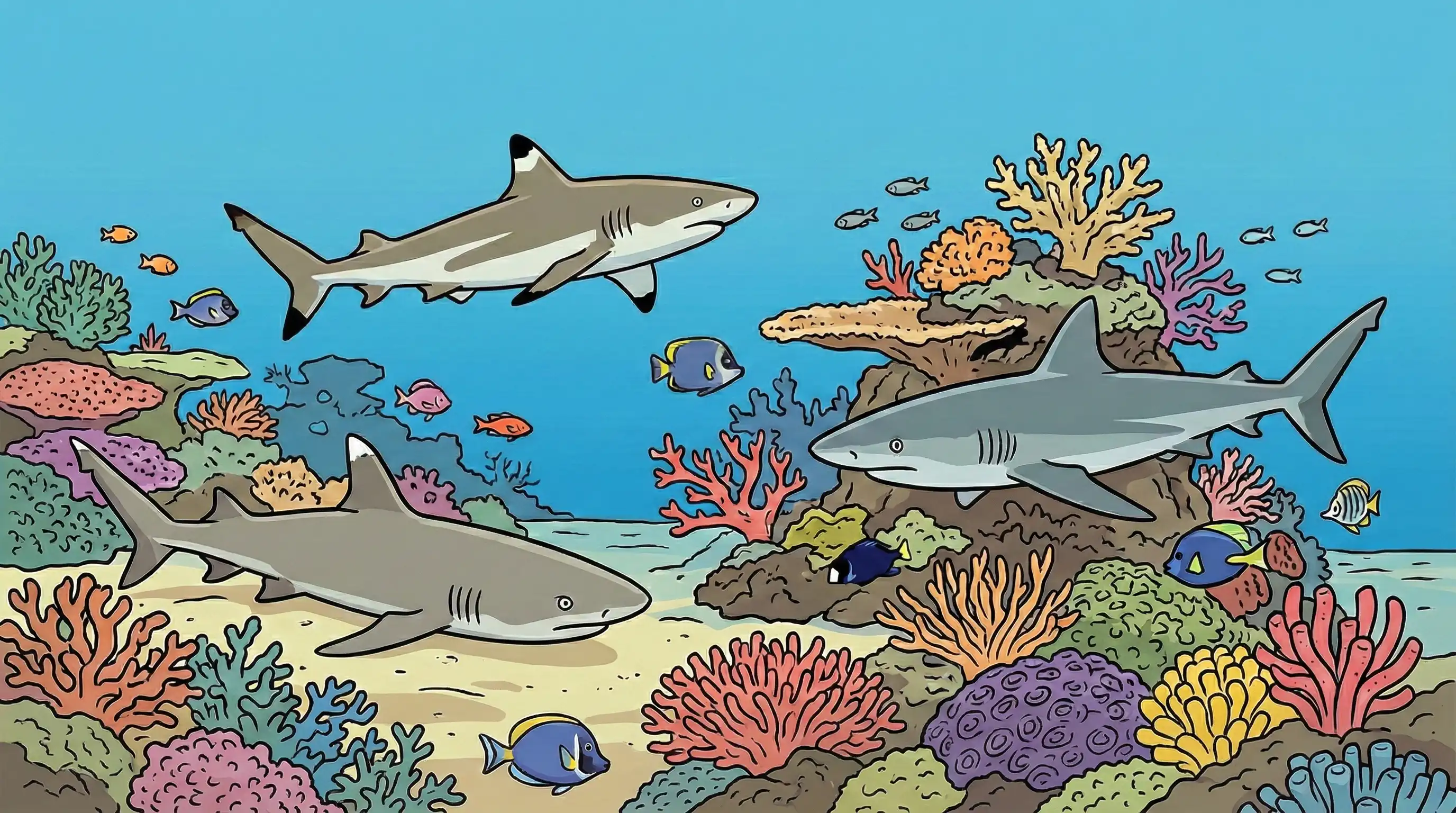
Reef sharks are the sharks in Bali most commonly encountered around Bali’s reefs and underwater walls. They’re the species you’ll likely see in dive photos and tour promotional materials—and for good reason.
Blacktip reef sharks are among the most frequently spotted. With sleek bodies, grey coloring, and distinctive black tips on their dorsal and tail fins, they’re easy to identify. Growing to around 1-1.5 meters in length, they patrol coral reefs throughout the Indian Ocean and are commonly found around Nusa Penida, Padang Bai, and reef slopes near Candidasa. Historically, they were also present around Nusa Dua, though sightings vary with conditions.
Whitetip reef sharks are recognizable by their white-tipped fins and nocturnal habits. During daylight hours, divers often find them resting motionless on sandy bottoms or tucked under coral ledges. Menjangan Island and the waters around Amed on Bali’s east coast are known spots for whitetip sightings. These fascinating creatures are a favorite for underwater photographers.
Grey reef sharks are slightly larger and typically seen on outer reef drop-offs and channels, particularly at more advanced dive sites with strong currents. They’re generally shy and actively avoid direct interaction with divers unless cornered or chased.
Most hotels and dive centers recommend these sites only to guests with appropriate scuba diving certification—not because of aggressive behavior from the sharks, but because of depth requirements and current conditions.
Bamboo Sharks
Bamboo sharks are small, bottom-dwelling species with striped or mottled patterns that give them their name. These gentle creatures grow to under 1 meter in length and are primarily nocturnal, spending daylight hours resting under ledges or tucked into reef crevices.
Divers and snorkelers may encounter bamboo sharks around reefs near Padang Bai, Tulamben, and sheltered bays with rich coral growth. They’re also found along the south coast of Nusa Penida at sites like Manta Bay and Labyrinth, where they cruise rocky plateaus or shelter during the day.
These sharks are harmless to humans. Their diet consists mainly of crustaceans and small fish along the seafloor. Underwater photographers actively seek them out for close-up shots—a testament to how unthreatening they are. If your hotel offers snorkeling excursions to calm reef areas, a bamboo shark sighting makes for a memorable highlight.
Wobbegong (Carpet) Sharks
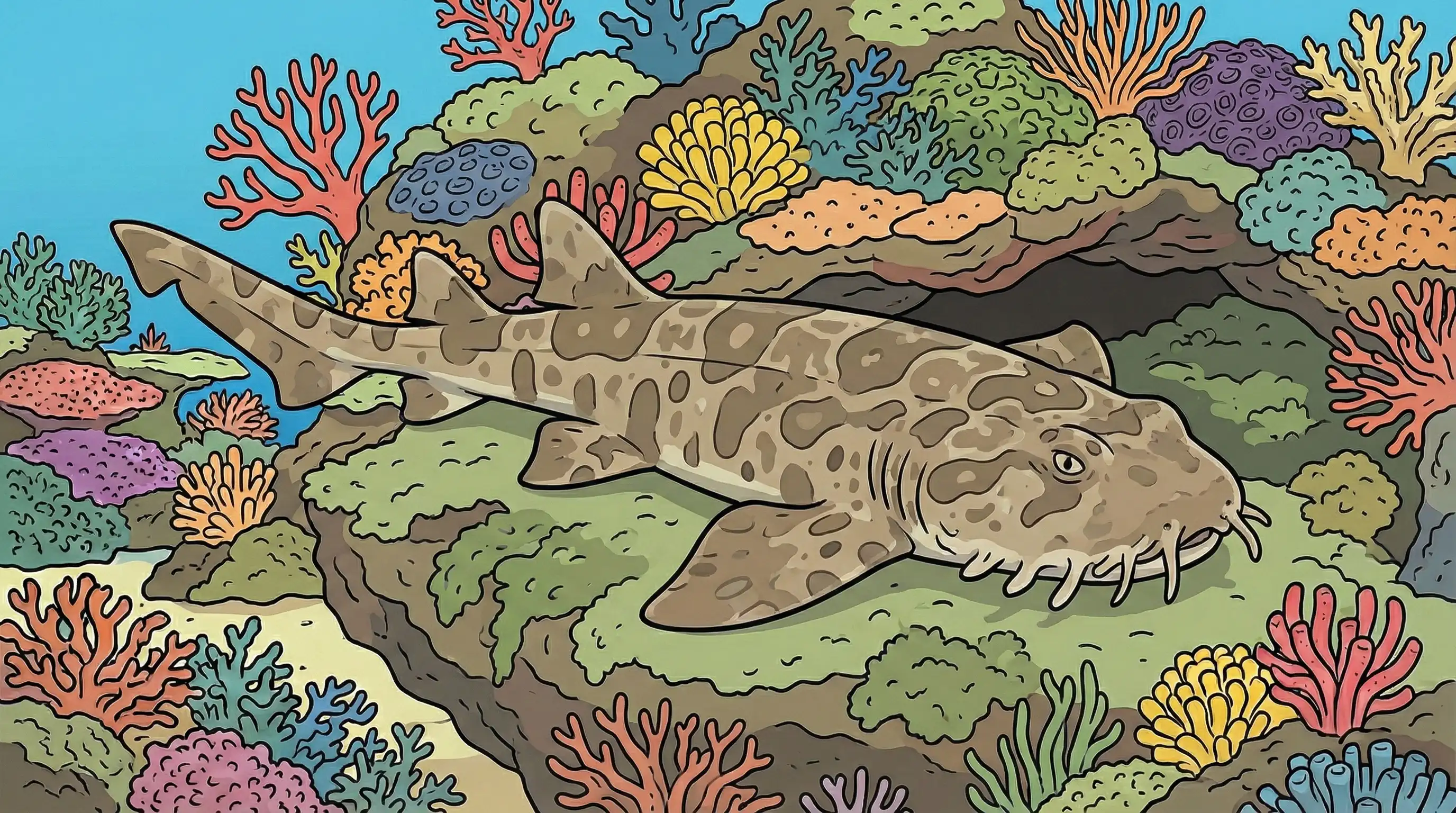
Wobbegong sharks, also known as carpet sharks—are masters of disguise. These flat-bodied, ornately patterned sharks blend seamlessly into coral and rock formations, making them a special find for attentive divers.
Sightings have been recorded around Nusa Penida, Amed, and Padang Bai, though encounters remain relatively rare compared to the common sightings in Raja Ampat. The Indonesian wobbegong is a seasonal visitor, typically appearing when water temperatures drop between July and October. They’re classified as “Near Threatened” by the IUCN, adding a conservation dimension to any sighting.
Wobbegongs spend most of their time resting motionless on the bottom, waiting to ambush passing fish. They’re not actively dangerous to divers but may defend themselves if stepped on or grabbed—a scenario easily avoided by maintaining a respectful distance and never placing hands directly on the reef.
Dive guides in Bali often brief guests specifically on spotting wobbegongs without disturbing their camouflage. It’s become something of a treasure hunt for keen-eyed divers.
Nurse Sharks
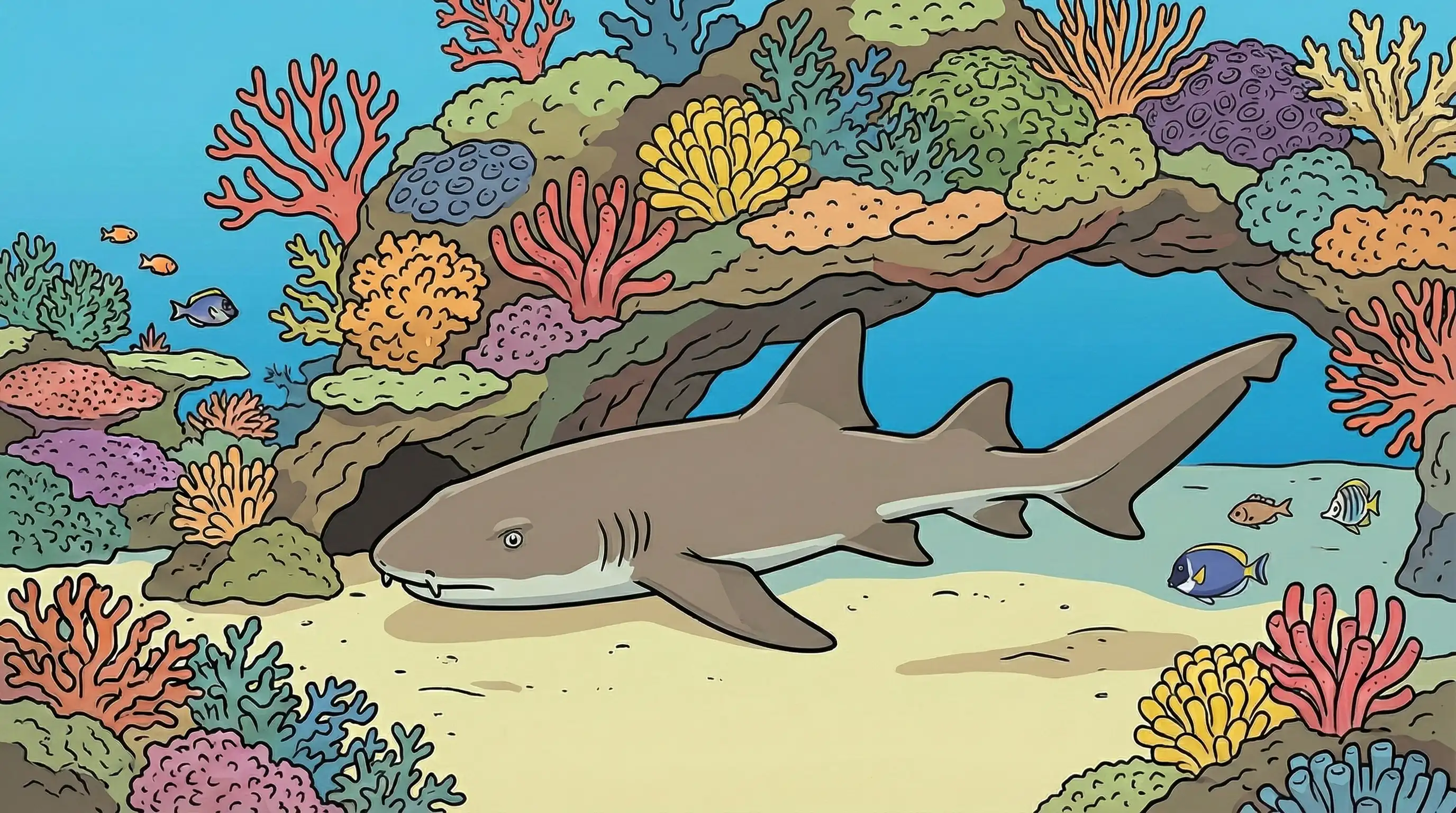
Nurse sharks are bottom dwellers with broad heads and small barbels near their mouths, often found resting in caves or under overhangs during the day. They’re among the most docile wild animals divers can encounter.
Known spots include Biaha Shark Cave and certain East Bali reef ledges, where guides occasionally find them resting in groups. These magnificent creatures are slow-moving, largely uninterested in divers, and feed primarily on crustaceans and benthic creatures at night.
Nurse sharks can grow up to 4 meters in length, making them impressive to observe despite their peaceful demeanor. They’re widely considered gentle giants by the diving community and represent a popular “bucket list” sighting for guests seeking calm underwater encounters.
Thresher Sharks
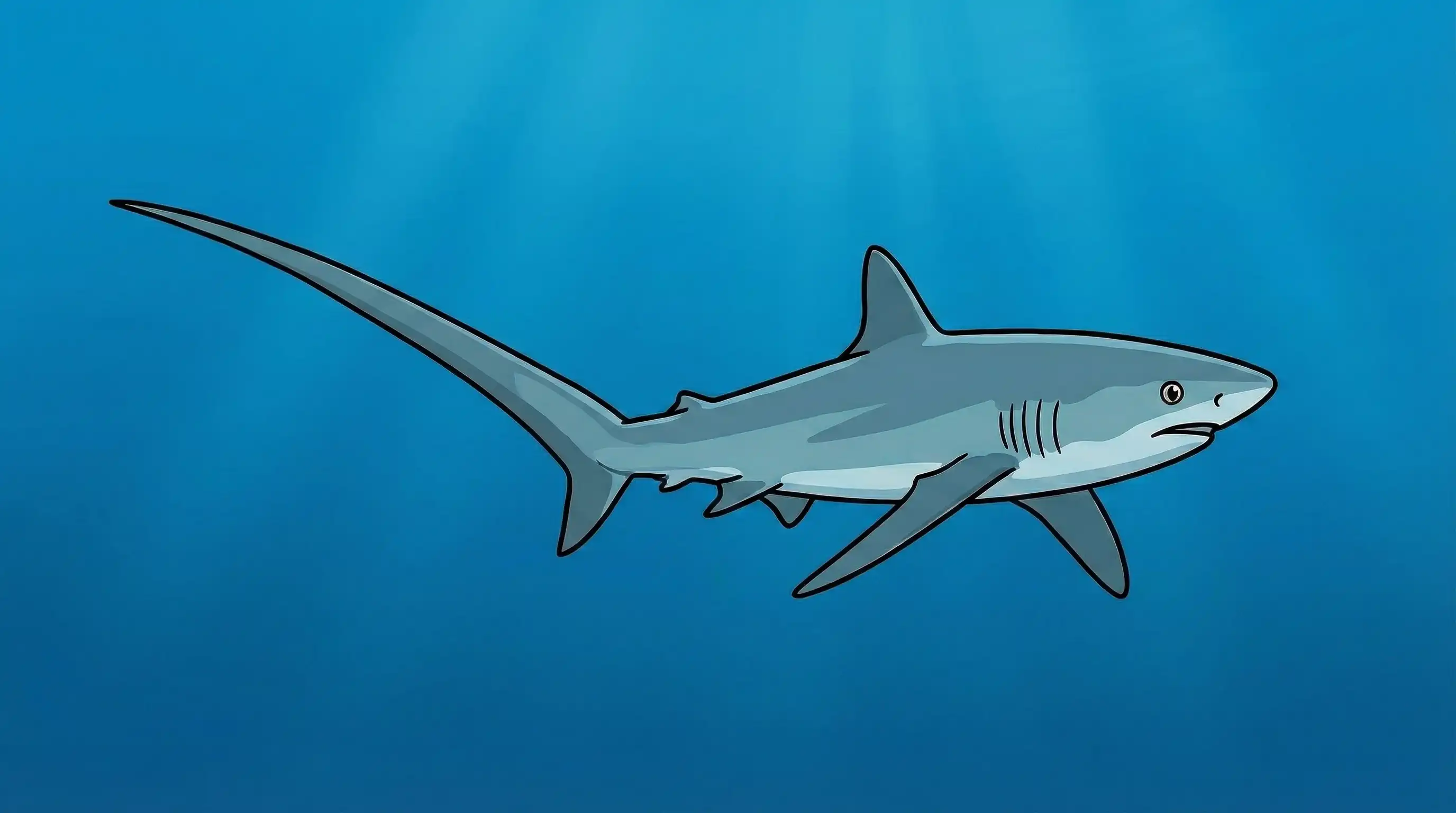
The thresher shark’s most distinctive feature is impossible to miss: an extraordinarily long, whip-like tail that can equal the length of its body. These pelagic species use their tails to stun schooling fish—a hunting technique that’s fascinating to witness.
Thresher sharks are deep-water visitors occasionally sighted at sites like Blue Corner in Nusa Lembongan, Gili Tepekong and Gili Mimpang off Candidasa, usually in early morning or during the rainy season when they prefer warm, shallow waters closer to reefs. However, the reference data notes that thresher shark sightings around Amed have been very rare since 2016, suggesting changing patterns.
These sites feature strong, sometimes unpredictable currents, making them appropriate only for advanced divers with current experience. Thresher sharks are shy and rarely approach divers closely, encounters tend to be brief, exciting glimpses at depth.
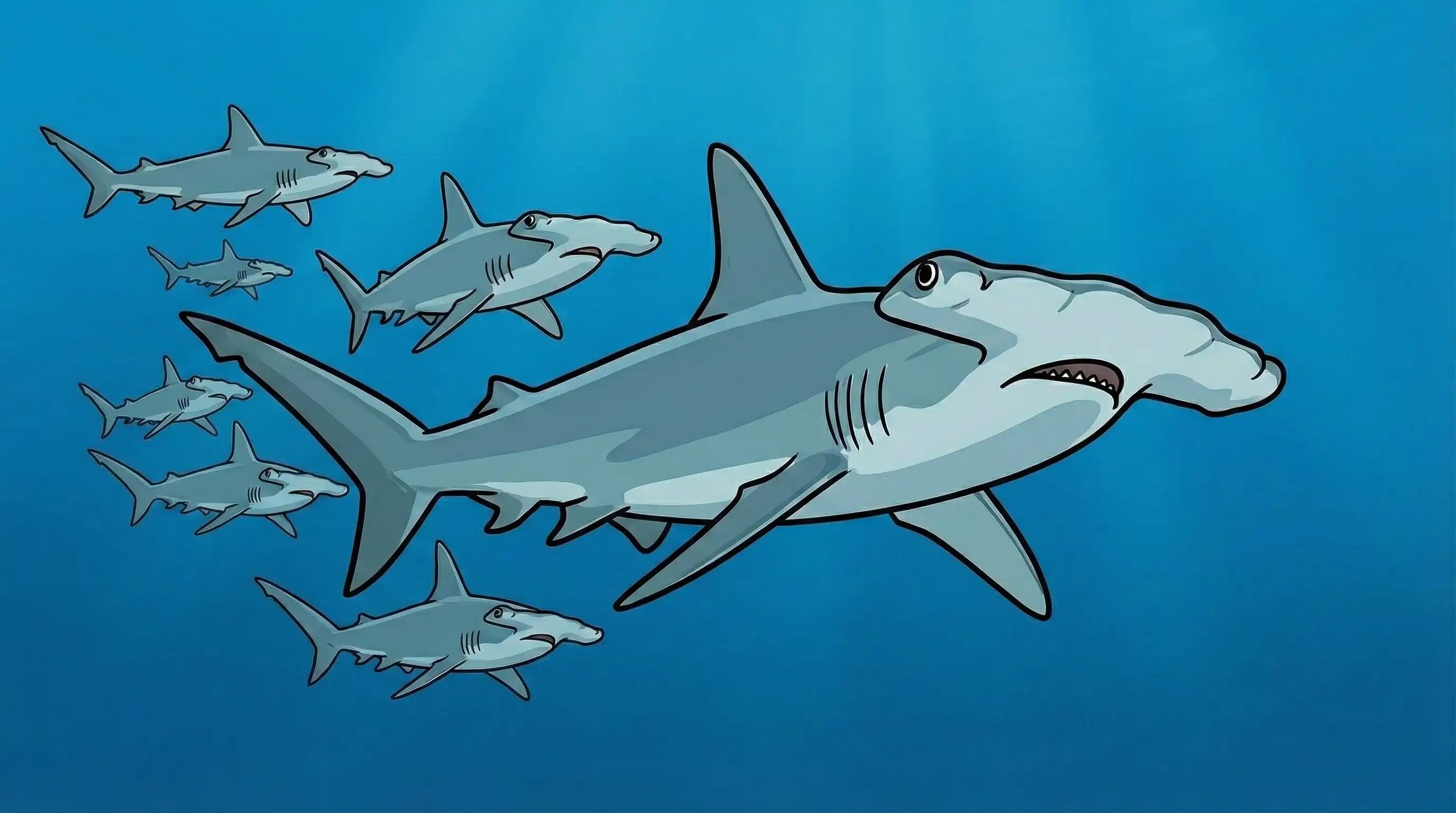
Hammerhead Sharks
Scalloped hammerhead sharks are unmistakable with their characteristic hammer-shaped heads and wide-set eyes. They can reach 4-6 meters in size, making them an awe-inspiring sight in their natural habitat.
Regular hammerhead schooling sites are more associated with deeper waters and eastern Indonesian islands, but occasional deep encounters are reported around Nusa Penida and Lombok channels. These sightings typically occur at depths of 40-60 meters, requiring advanced or technical diving skills, not something for casual snorkelers or beginners.
Despite their intimidating appearance, hammerhead sharks are generally wary of humans and keep their distance. They present far more photo opportunities than safety concerns.
Whale Sharks
Whale sharks are one of the largest fish on Earth, and also among the most gentle. These filter-feeding gentle giants consume plankton rather than large prey, making them completely harmless to swimmers who encounter them.
Direct sightings off main Bali beaches are unusual, but encounters are reported in the broader region. Nusa Penida and Tulamben sees occasional visits during plankton-rich seasons, while more reliable sightings occur near Sumbawa and certain eastern Indonesian aggregation points.
Dedicated whale shark trips typically require early-morning departures, boat rides, and coordination with local operators, logistics that hotels can help arrange for interested guests. Interaction guidelines are strict: no touching, no flash photography, and maintaining safe distance protect both animals and swimmers.
Whale sharks are endangered, making responsible tourism crucial. Hotels should emphasize supporting conservation efforts by recommending only licensed, conservation-minded operators. A whale shark encounter can be an unforgettable experience when done ethically.
Large Predators: Tiger Sharks & Great White Sharks
Tiger sharks and great white sharks are not typical residents of Bali’s inshore waters. Any presence is considered rare to very rare, or exceptional enough to generate news coverage.
Some surfers and fishermen report sporadic tiger shark sightings around deep breaks like Balian on Bali’s west coast and Uluwatu. The dense coral reefs surrounding Uluwatu provide habitat for hundreds of marine life forms, including, according to local lore, sea cows that might attract larger predators. Tiger sharks can be rather aggressive, but documented encounters remain rare.
Great white sharks are even more exceptional. The occasional diver-reported sighting near Nusa Penida attracts media attention precisely because it’s so unusual. These larger predators prefer cooler, deeper offshore waters and are not a feature of standard hotel beach or snorkeling experiences.
Bali does not record shark attacks from these species.
Best Places Around Bali to See Sharks (For Divers & Adventurous Guests)
Shark encounters in Bali are concentrated at specific Bali diving spots rather than general swimming beaches. This distinction matters for both safety and expectation-setting.
Some beginner-friendly sites exist where small reef sharks occasionally appear in shallow waters. More advanced sites with strong currents and deeper profiles are where pelagic species may pass through. The key is matching guest experience levels with appropriate locations.
Nusa Penida, Nusa Lembongan & Nusa Ceningan
These three islands southeast of mainland Bali represent the region’s most famous destination for shark encounters and big marine life, including manta rays and the bizarre-looking mola mola (ocean sunfish) in season.
Key shark-related sites include:
- Reef slopes and walls where blacktip and whitetip reef sharks cruise the drop-offs
- Deeper channels and cleaning stations where hammerhead sharks, thresher sharks, or occasional pelagics may pass
- Sites like Semaya, Suana, Karangsari, Lucky Point, and Batu Mulapan for whitetip sightings
- Crystal Bay for various shark species
Conditions can include strong currents, down-currents, and choppy surface seas. These trips are typically recommended for certified divers rather than first-time participants.
Menjangan Island & Bali Barat National Park
Menjangan Island in northwest Bali offers a different experience: calmer, protected waters known for exceptional visibility, dramatic wall dives, and frequent whitetip reef shark sightings.
Conditions here are often gentler than at Nusa Penida, making Menjangan suitable for newer divers and confident snorkelers under supervision. Blacktips and other small reef sharks appear along the walls and reef edges, typically at comfortable recreational diving depths.
Practical notes:
- Access is via boat from Pemuteran or Lovina
- Minimum Open Water certification recommended for deeper wall dives
- Visibility often exceeds 30 meters during optimal conditions
- Sea turtles are commonly found alongside sharks
East Bali: Padang Bai, Candidasa, Gili Tepekong, Gili Mimpang, Biaha
East Bali hosts some of the island’s most exciting, and challenging shark dives. This area attracts experienced divers specifically seeking marine life encounters that aren’t available in calmer waters.
Key sites:
| Site | Typical Species | Difficulty | Notes |
|---|---|---|---|
| Padang Bai | Bamboo sharks, small reef sharks | Beginner-Intermediate | Accessible reef dives |
| Gili Tepekong | Thresher sharks, grey reef sharks | Advanced | Strong currents, down-wellings |
| Gili Mimpang | Reef sharks, occasional pelagics | Advanced | Unpredictable conditions |
| Biaha Shark Cave | Whitetips, nurse sharks | Advanced | Cave/overhang with resting sharks |
Tanked and Biaha Shark Caves are unique sites where advanced divers sometimes observe a dozen sharks at once, mostly whitetip and blacktip reef sharks resting in the shelter.
Hotels should confirm guest certification level and medical suitability before recommending these trips. Safety briefings focus on currents, entry/exit techniques, and maintaining distance from resting sharks in caves, never provoke sharks by approaching too closely.
For many advanced divers staying in Candidasa or Padang Bai, these shark encounters are the primary reason they choose East Bali over busier south-coast resorts.
Balian & Uluwatu Surf Breaks
Balian Beach on Bali’s west coast and Uluwatu on the south coast are primarily surf destinations rather than dedicated dive spots. However, they carry local reputations for occasional shark presence.
Balian Beach has a reputation for sporadic shark sightings, likely due to river outflow, concentrations of bait fish, and deeper channels nearby. Despite this, attacks on surfers remain rare.
Uluwatu is historically where the small number of shark incidents around Bali have clustered—all five documented cases occurred around this peak. The dense reefs provide natural habitat for various marine creatures, potentially including larger species.
These breaks aren’t typical family swimming locations regardless of sharks. Strong waves, rip currents, and rocky entrances make them appropriate primarily for experienced surfers.
Hotels and surf camps in these areas should:
- Brief guests on currents, rocks, and recommended surf zones
- Recommend surfing in groups rather than alone
- Suggest avoiding dawn/dusk sessions in murky water for nervous guests
- Communicate honestly without being alarmist
Even at these locations, the absolute likelihood of an incident remains low.
Gili Islands, Lombok & Sumbawa (Greater Region)
Many visitors staying in Bali extend their trips to nearby islands where shark encounters are actively marketed as highlights.
Shark Point at Gili Trawangan earned its name for good reason, regular blacktip and whitetip reef shark sightings make it a popular destination for tourists seeking natural shark encounters. Sea turtles add to the appeal, and access is easy via shore entry or short boat rides.
The Gili Islands offer a swim alongside sharks experience that’s accessible to a broader range of divers and snorkelers compared to Bali’s more challenging sites.
Farther east toward Sumbawa, whale shark encounters and larger pelagic species are advertised, typically via pre-dawn boat trips to aggregation areas. These require more planning and longer travel times.
Are Sharks in Bali Dangerous? Understanding the Real Risk
Let’s address the question directly: in more than three decades, Bali has recorded only a handful of non-fatal shark incidents. Almost all involved surfers at exposed reef breaks rather than swimmers at resort beaches. The statistical risk is genuinely low.
Why risk remains minimal:
- Reef sharks and most local species are small and focused on fish, not humans
- High water visibility in Bali makes mistaken identity (surfers confused for seals) less likely than in murky cold-water regions
- Tourism operators and lifeguards monitor conditions daily
- Most sharks actively avoid human interaction
Risk factors that increase (slightly) the already-low probability:
| Higher Risk | Lower Risk |
|---|---|
| Remote surf breaks with strong currents | Patrolled swimming beaches |
| Spearfishing or handling caught fish | Snorkeling in clear, calm water |
| Surfing alone at dawn/dusk | Swimming during midday hours |
| Murky water after heavy rain | High-visibility reef areas |
| Areas near fishing boats or river mouths | Resort beach zones |
More guests are injured each year by strong currents, motorbike accidents, and slipping around pools than by any marine creatures. Perspective matters when assessing actual risk versus perceived danger.
How to Swim, Surf & Dive Safely in Bali’s Shark Habitats
Respectful behavior and basic ocean awareness reduce already-low shark risk even further. These guidelines apply whether you’re wading at a resort beach or diving at an advanced site.
General guidelines for everyone:
- Always follow local lifeguard flags and signage
- Avoid swimming alone at dawn or dusk in remote areas
- Stay away from fishing boats, fish-cleaning areas, and river mouths after heavy rain
- Swim in groups whenever possible
- Stay calm if you spot any marine life—splashing attracts attention
For swimmers and snorkelers:
- Stay close to shore in designated swimming areas
- Avoid wearing shiny jewelry that might resemble fish scales
- Never chase, corner, or attempt to touch wildlife
- Enter and exit water smoothly without excessive splashing
For surfers:
- Surf with a buddy, especially at less-populated breaks
- Avoid isolated reefs if you’re nervous about shark presence
- Talk to locals about recent sightings and current conditions
- Avoid sudden movements when paddling—smooth strokes are less provocative
For divers:
- Stay close to your guide and group at all times
- Maintain neutral buoyancy to avoid accidentally bumping into resting sharks
- Never touch, feed, or chase sharks
- Keep a safe distance from any shark you encounter
- Avoid sudden movements that might startle wildlife
What to Do If You Actually See a Shark in Bali
Most shark encounters in Bali waters are fleeting and peaceful, especially during supervised dives. Understanding how to respond, calmly makes any sighting an enjoyable experience rather than a source of panic.
Step-by-step guidance:
- Stay calm. Sharks are not hunting you. Panicked movements attract more attention than calm presence.
- Remain still or move smoothly. Avoid splashing, rapid arm movements, or kicking frantically.
- Keep the shark in sight. Maintain visual contact without swimming directly toward it.
- Avoid sudden movements. Slow, deliberate motion is key.
- If diving, stay with your group and guide. Don’t break formation or surface suddenly.
- If snorkeling or swimming, begin a slow, steady return to shore or boat. No need to sprint—just move calmly toward safety.
- Maintain respectful distance. Think of sharks like large dogs or horses: no touching, no cornering, no crowding their space.
In the rare event that a shark circles repeatedly at very close range, divers should group together back-to-back, maintain eye contact with the animal, and ascend slowly as guided by instructors. This scenario is exceptionally uncommon in Bali.
Frequently Asked Questions About Sharks in Bali
Hotels hear these questions constantly. This FAQ serves as a quick reference for staff training and guest-facing content.
Are there sharks at Kuta, Nusa Dua, and Sanur beaches?
Shark sightings at these main tourist beaches are extremely rare. Any species present would likely be small reef sharks far from shore. The main safety concerns at these beaches are currents and wave conditions, not marine life.
How many shark attacks have there been in Bali?
Approximately five incidents have been documented over the past 35+ years, all occurring near Uluwatu surf breaks. None were fatal. This represents an exceptionally low incident rate given millions of annual visitors.
Can I see sharks while snorkeling?
Yes, it’s possible to see small reef sharks during guided snorkeling trips to clear, reefy areas. Bamboo sharks and juvenile reef sharks are occasionally sighted in shallow waters around Nusa Penida and Menjangan Island. They’re harmless and typically shy.
Is it safe for children to swim in Bali?
Yes, at patrolled, family-friendly beaches following lifeguard flags and instructions. Sharks are not a primary concern—currents, waves, and sun exposure deserve more attention. Stick to designated swimming areas during supervised hours.
Can I dive with sharks in Bali?
Absolutely. Shark diving is available through certified dive operators, primarily around Nusa Penida, Menjangan Island, East Bali sites, and the Gili Islands. Experiences range from beginner-friendly reef dives to advanced current dives for experienced divers.
What’s the best season to see sharks in Bali?
Reef sharks are present year-round. Wobbegong sharks appear seasonally from July to October when water temperatures drop. Thresher sharks are occasionally sighted during the rainy season. Whale shark encounters in the broader region depend on plankton patterns.
Are there saltwater crocodiles around Bali’s tourist beaches?
Wild crocodile populations are not established around main tourist zones in Bali. Any sightings would be newsworthy exceptions rather than routine occurrences—and would likely involve displaced individuals far from typical resort areas.
Should I avoid wearing bright colors or jewelry in the water?
It’s a reasonable precaution. Shiny jewelry can resemble fish scales, potentially attracting curiosity from marine life. However, for typical swimming at resort beaches, this is a minor consideration compared to following lifeguard guidance.
Hotels can repurpose this FAQ for their websites, in-room tablets, or automated chatbots. Addressing common questions proactively reduces staff workload and reassures guests before concerns escalate.
Final Thoughts: Enjoying Bali’s Ocean Responsibly
Sharks do live in and around Bali. For the vast majority of visitors, they’re a fascinating backdrop to an already remarkable underwater world, not a danger to fear. Informed behavior and guided experiences transform potential encounters into safe and memorable highlights of any trip.