科莫多
?????????
Komodo National Park rewards travelers who match their itinerary to the landscape: compact day boats from Labuan Bajo, slower multi-day liveaboards that sleep inside the park, or private speedboats built around your own pace. This guide explains how each format works, what a typical route looks like, and how to plan around weather, permits, and the sights you do not want to miss.

Overview: types of tours in Komodo National Park
Most visitors organize park access through three broad categories. Shared group tours combine travelers on a set route and fixed timetable—an economical way to tick off Padar, Pink Beach, and dragon trekking on Komodo or Rinca in a single day. Private tours use the same style of speedboat or wooden vessel but reserve the whole boat for your party, which matters when you want extra time at one viewpoint, an earlier start, or a quieter pace with children. Liveaboards extend the experience across two nights or more: you sleep on the boat, wake inside the park, and combine land excursions with snorkeling or diving without returning to Labuan Bajo each evening.
None of these options replace the need for park entry procedures and ranger-led dragon visits where required; they simply change how you move between islands, how flexible the schedule is, and how much time you spend on the water versus in town.
Day trip tours from Labuan Bajo

Labuan Bajo is the gateway. Early-morning departures are standard: boats leave the harbor toward the park's core islands while light is still soft and seas are often calmer. A classic full-day loop might include a viewpoint hike on Padar, a swim or snorkel at Pink Beach, a ranger-guided walk to see Komodo dragons on Komodo or Rinca, and one or two snorkel stops on the way back—conditions and currents permitting.
Lunch is usually served on board between anchorages. Expect a long, active day: sun exposure is high, walks can be steep and hot, and transfer times between sites add up. If you are prone to seasickness, check typical sea conditions for your month and consider seating mid-ship. Day trips suit travelers with limited time, a hotel in Labuan Bajo, or those who prefer sleeping on land each night.
Multi-day liveaboard tours: what to expect

A liveaboard strings together remote bays, sunset viewpoints, and repeat visits to snorkeling or dive sites that day boats rarely fit into one rotation. Cabins range from simple bunk rooms to ensuite doubles; common areas are where you brief for the next site, eat meals, and rinse gear. Days follow a rhythm: dawn optional activity, breakfast, morning excursion or dive, lunch during transit, afternoon site, and often a sunset viewpoint or calm bay for the night.
The trade-off is commitment: you pack for several days at sea, share space with other guests on scheduled departures, and need to be comfortable with boat life. In return you gain quieter mornings at famous lookouts, more chances at manta cleaning stations when conditions align, and a fuller sense of the park's scale than a single rushed circuit from town.
Private boat charters: speedboats and flexibility

Chartering a private speedboat or phinisi-style vessel removes the fixed stop order of a shared tour. Families can shorten a hike, add a second snorkel, or linger for photography without negotiating a group consensus. Operators still work within park rules—ranger schedules, mooring areas, and safety limits—but the day belongs to your priorities within those constraints.
Private trips cost more per person if your group is small, yet the math often improves once you split across four to six travelers. Clarify what is included: fuel range, meals, drinking water, snorkeling gear, towels, and whether entry fees and ranger tickets are bundled or paid separately. Speedboats cover distance quickly but ride harder in chop; larger boats trade some speed for stability.
Popular stops: dragons, Padar, Pink Beach, Manta Point

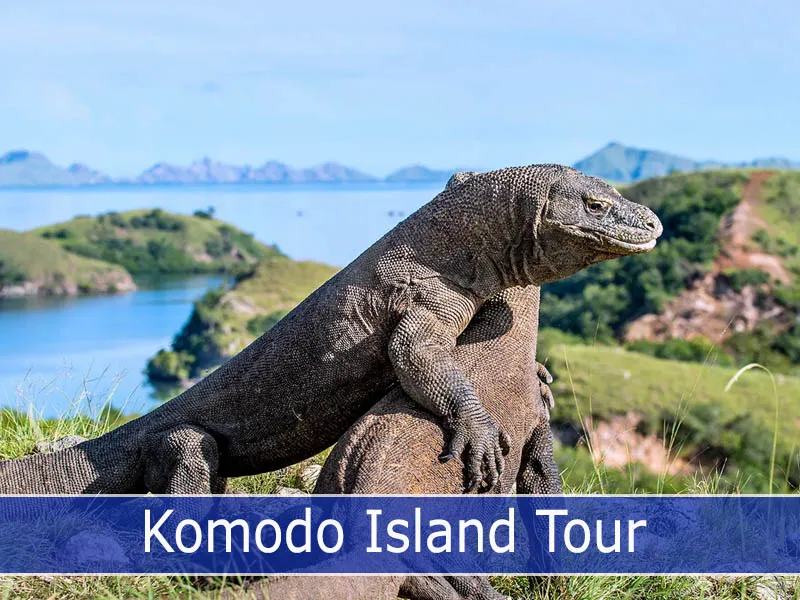
Komodo or Rinca delivers the headline terrestrial experience: guided treks to observe Komodo dragons with rangers who explain behavior and safety distances. Padar Island is famous for its ridge hike and multi-bay panorama—arrive early for softer light and thinner crowds. Pink Beach draws swimmers and snorkelers for its tinted shore and nearby reef patches; underwater visibility varies with tide and season.
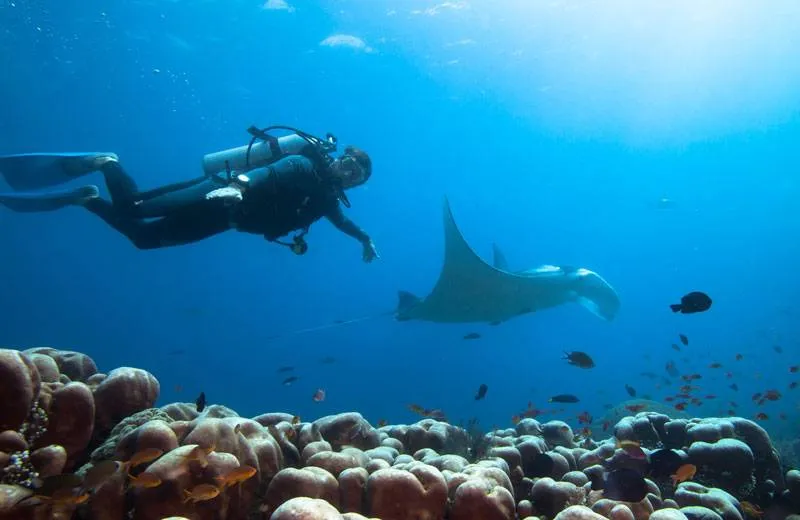
Manta Point (Karang Makassar) is the best-known manta drift for snorkelers and divers: a shallow plateau where rays visit cleaning stations. Mantas are wild animals—encounters are likely in season but never guaranteed. Respectful, passive observation keeps disturbance low and aligns with conservation goals across these shared sites.
Planning tips: booking, packing, and best season

Booking ahead matters in July, August, and holiday peaks when boats fill and flights into Labuan Bajo tighten. Even shoulder months reward early reservations for liveaboards with fixed departure dates. What to bring: reef-safe sunscreen, a hat, sturdy shoes for dusty trails, swimwear, a light cover-up, a reusable water bottle, and a dry bag for electronics. Cash in Indonesian rupiah helps with small incidental fees or tips where card readers are unavailable.
The dry season, broadly April through November, usually offers calmer seas and better visibility for snorkeling and diving. December through March brings more rain and wind; operations continue, but some routes may be adjusted for safety. Always confirm the latest local forecast and operator advice before departure.
Choosing the right tour for you
Match the format to your comfort and curiosity. If you want one intensive day and a fixed budget, a shared tour is the straightforward choice. If you value schedule control or travel with mixed ages, prioritize a private charter. If underwater time and remote anchorages matter more than hotel amenities, lean toward a multi-day liveaboard. Read recent reviews for maintenance, crew professionalism, and realistic pacing—Komodo's highlights are rewarding when the day feels organized rather than rushed.
However you visit, plan for sun, salt, and walking on uneven ground. The park combines UNESCO-listed wildlife with busy marine traffic; picking a tour style that fits your stamina and expectations is the simplest way to leave with strong memories of the islands and the sea.