Komodo
Barco de Lujo Komodo
Komodo National Park rewards slow travel: long crossings between islands, sunrise over volcanic peaks, and multiple chances at manta channels or dragon treks without rushing back to port. Luxury boats—whether multi-day liveaboards, premium day cruisers, or private yachts—emphasise space, service, and itinerary depth. This guide explains the main categories of vessel, names several established operators travellers research, what life on board typically looks like, which routes repeat across the industry, when conditions are most reliable, and how to evaluate options without sales jargon.

Overview — luxury boat experiences in Komodo
A "luxury boat" trip in Komodo usually means more than a nicer seat on a speedboat. It implies larger cabins or suites, attentive crew ratios, curated meals, stable hulls for overnight comfort, and itineraries that bundle diving or snorkeling, island hikes, and wildlife viewing with enough time to recover between activities.
The park's UNESCO-listed islands and strong tidal currents reward vessels that can stay out for several days: you reach remote corners when day boats turn back, and you can shift sites when wind or swell changes. Luxury positioning is subjective—compare cabin size, guest count, included activities, and safety credentials rather than marketing labels alone.
Most journeys still begin from Labuan Bajo on Flores, though Bali–Komodo repositioning cruises exist on longer schedules. Expect national park fees, ranger-led dragon visits where required, and environmental rules that apply equally to budget and high-end operators.
Types of luxury boats — liveaboards vs day charters vs private yachts
Liveaboards are purpose-built or converted vessels where guests sleep on board for several nights. Luxury tiers add en-suite bathrooms, air conditioning, spacious saloons, and sometimes camera or spa facilities. They suit divers and snorkelers who want maximum site coverage and flexible scheduling around tides.
Day charters (wooden phinisi or modern speedboats) return to Labuan Bajo each evening. Premium day operators compete on meal quality, guide expertise, guest limits, and transfer comfort—not overnight cabins. They work well for travellers who prefer hotels on land or shorter commitments.
Private yachts charter exclusively for one party: custom routes, flexible mealtimes, and privacy. Costs rise sharply, but groups splitting expenses sometimes approach liveaboard per-person pricing. Crew licensing, insurance, and park permits still apply; reputation and references matter as much as glossy photos.
Top luxury liveaboards — Neptune Liveaboards, Komodo Sea Dragon, Prana, Damai
Travellers researching Komodo often compare a short list of established liveaboard brands. Names that appear frequently in independent discussions include Neptune Liveaboards, Komodo Sea Dragon, Prana by Atzaró, and Damai. Each targets a slightly different blend of cabin styling, dive focus, and route length; none should be chosen from a name alone—verify schedules, inclusions, and recent reviews for the exact ship and season.
Neptune Liveaboards markets multi-day Komodo itineraries with an emphasis on diving and onboard comfort. Komodo Sea Dragonis another long-running vessel name in the region's liveaboard conversation. Prana is known for high-design interiors and a luxury hospitality positioning. Damai has historically been associated with spacious cabins and long-range Indonesian cruising. Always confirm which vessel hull, year of refit, and route map apply to your dates.
Treat these names as starting points for research: compare maximum guest numbers, dive guide ratios, emergency oxygen policies, and whether snorkeling-only guests are welcomed alongside divers.
What to expect on board — cabins, amenities, diving, itineraries
Luxury liveaboard cabins range from compact lower-deck twins to master suites with windows or private balconies on newer builds. En-suite showers, storage for camera gear, and quiet generators improve sleep quality after long days in the sun.
Common amenities include shaded sundecks, indoor dining, entertainment systems, and dedicated rinse tanks for dive equipment. Some vessels add massage, yoga decks, or nitrox blending for divers. Wi-Fi is increasingly offered but remains unreliable in remote channels—set expectations for digital detox.
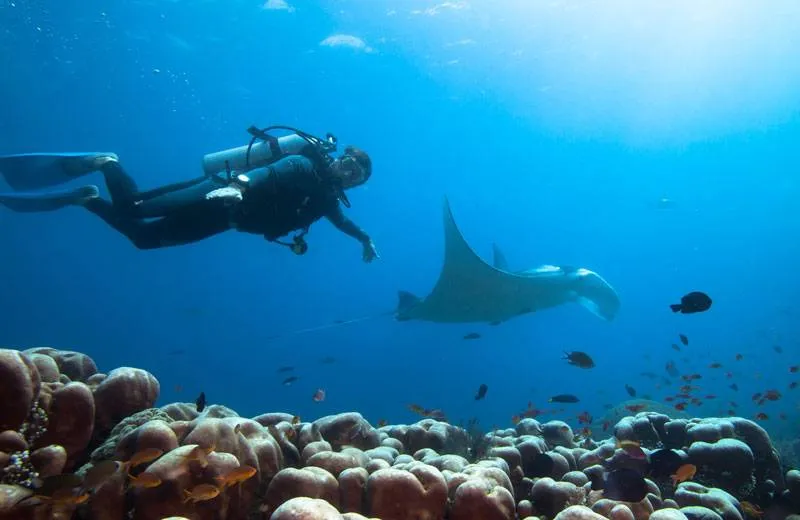
Diving and snorkeling typically run on a fixed daily rhythm: dawn briefing, two to four dives or snorkel sessions depending on the boat, surface intervals with meals, and occasional night dives where regulations allow. Guides plan profiles around current tables; snorkelers may have separate tenders or timed surface support.
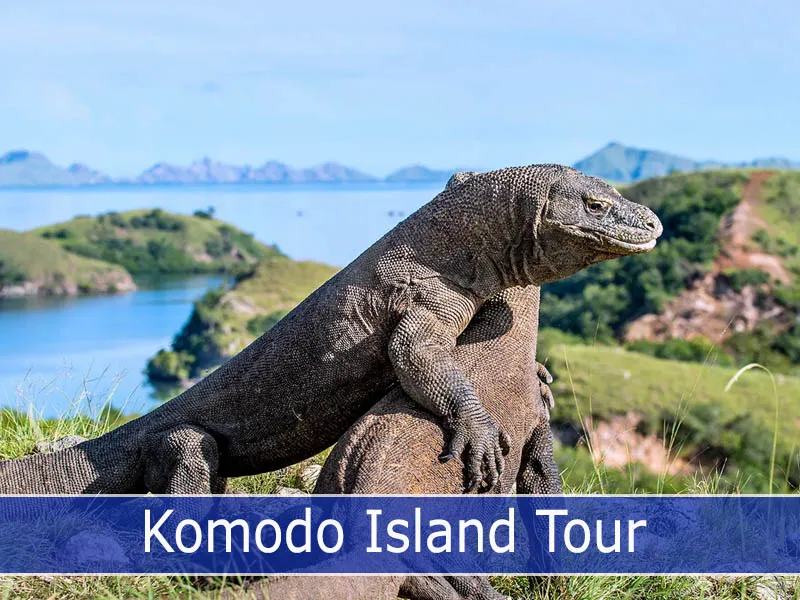
Itineraries balance underwater time with landings for Komodo or Rinca dragon walks, Padar viewpoint hikes, and Pink Beach or Kalong Island sunsets. Exact order changes with sea state; flexibility is a feature of multi-day routing.
Popular routes and destinations
Most luxury routes orbit the park's north–central icons: Karang Makassar (Manta Point) for mantas, Batu Bolong and Castle Rock for advanced diving, Siaba Besar and Tatawa Besar for gentler reefs, Crystal Rock for fish aggregations, and Komodo or Rinca for dragon trekking. Padar's ridge viewpoint and Pink Beach appear on nearly every photo-forward itinerary.
Longer charters may push toward Gili Lawa or more remote northern sites when weather permits, or combine Komodo with Sumbawa or Rinca crossings on repositioning legs. Shorter luxury trips concentrate on fewer sites per day to avoid rushing—quality over quantity is the usual selling point, though currents still dictate timing.
Snorkel-focused luxury days might emphasise Mawan, sheltered bays, and duplicate attempts at manta channels if the first pass was cloudy. Diving-heavy weeks stack famous pinnacles with macro afternoons when slack water allows.
Best time for a luxury boat trip
The dry season (commonly April–November) brings steadier trade winds, drier decks, and more predictable transfers from Labuan Bajo. Liveaboard schedules fill first during European and Australian holiday peaks; book early if you need specific cabin categories.
The wet seasoncan offer quieter anchorages and lush island scenery, with occasional afternoon squalls and reduced flight reliability into Flores. Some operators discount shoulder months; others maintain pricing but smaller groups. Manta activity and plankton levels fluctuate year-round—there is no single "off" month for marine life, only different trade-offs.
If you are prone to seasickness, favour larger hulls and itineraries that avoid long open-water legs in rough monsoon patterns. Mid-sized liveaboards often ride more comfortably than narrow speedboats in chop.
How to choose and book
Start with dates and group size, then filter by minimum certification for diving trips or by snorkeling- inclusive policies. Read recent feedback that names the specific vessel—sister ships can differ sharply after refits.
Check inclusions: park fees, transfers, rental gear, nitrox, alcoholic beverages, and crew gratuities vary. Clarify cancellation terms, especially for weather delays common in island archipelagos.
Verify safety basics: life rafts, fire drills, oxygen kits, radio equipment, and whether guides hold recognised instructor credentials. Reputable operators publish this information or answer direct questions without hesitation.
Compare itinerary maps rather than brochure adjectives: number of unique sites, maximum daily steam time, and whether dragon visits and viewpoints are guaranteed or weather-dependent. A shorter trip with fewer rushed jumps often feels more luxurious than a packed checklist.
Finally, align expectations with conservation ethics: anchoring rules, waste handling, and wildlife-distance guidelines protect the same reefs and mantas that make Komodo worth the journey—regardless of cabin tier.
Preguntas Frecuentes
Explora mas en Komodo


Únete a más de
1,000+ huéspedes al mes
De todo el mundo nos visitan para buceo, cursos PADI, snorkel y apnea.