Komodo dive site guide
Tatawa Kecil
Tatawa Kecil sits in the northern reaches of Komodo National Park, where current-fed channels support rich coral gardens and busy fish life. This guide covers what makes the site distinctive, who it suits underwater, how it differs from nearby Tatawa Besar, and what divers typically experience when visiting from Labuan Bajo.

Overview: northern Komodo and a reef full of life
Tatawa Kecil (literally “small Tatawa”) lies in the northern part of Komodo National Park, in the same broad region as other current-famous sites visitors often combine on a single boat day. It is not a single rock pinnacle like some of Komodo’s poster dives; instead, it presents as long coral ridges and gardens that catch plankton-rich water and concentrate reef activity in a scenic stretch of seascape.
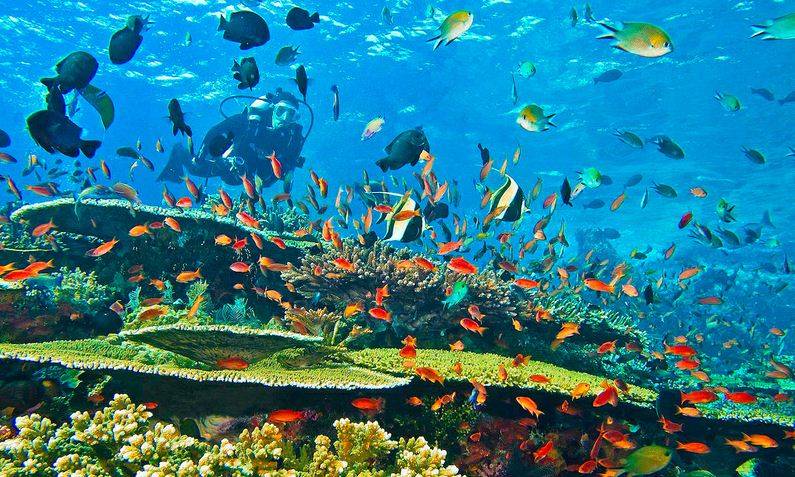
Divers come here for the underwater density: healthy hard and soft coral, clouds of anthias and fusiliers, and enough structure to feel like a complete reef system rather than a quick fly-by. On good visibility days, the contrast between sunlit shallows and the blue beyond the slope gives classic Komodo wide-angle opportunities—color, scale, and motion in one frame.
The site’s reputation is tied to that combination of beauty and energy: it can feel serene along a protected edge one moment, then remind you that northern Komodo is a dynamic marine environment the next. Understanding that rhythm—rather than expecting a static “aquarium” dive—is key to enjoying Tatawa Kecil on its own terms.
Photographers often frame Tatawa Kecil as a place where reef texture carries the story—branching corals, overhangs, and sandy patches between gardens create natural chapters as you move with the water. That variety keeps the dive engaging even when pelagic luck is average: there is always another pocket of color or behavior to watch as the group progresses along the route.
Marine life: coral gardens, reef fish, and critters

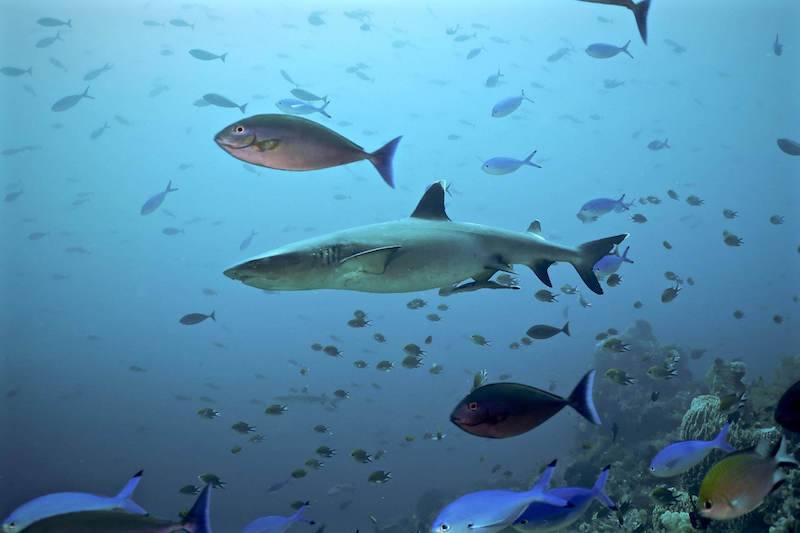
Tatawa Kecil rewards divers who enjoy layered reef scenery. Expect terraced coral, bommies, and slopes where small fish gather in shimmering schools while larger visitors patrol the periphery. Reef sharks, trevally, and other hunters may appear when currents run, using the topography the same way divers do—as shelter from the full force of the water.
The site is also known for cleaning stations and busy fish interactions—oriental sweetlips and other species jostle at stations where cleaner wrasse work the reef like a busy clinic. That behavioral detail adds personality to a dive that might otherwise be summarized only as “pretty coral.”
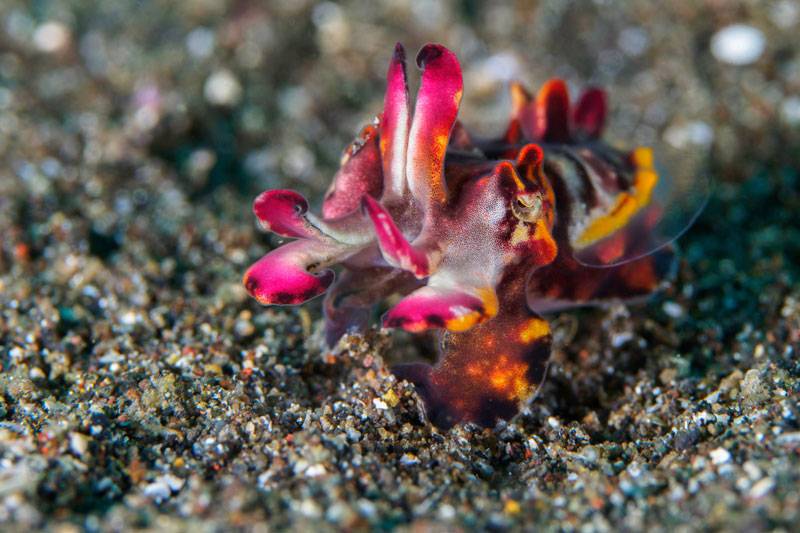
Macro enthusiasts still find critters—nudibranchs, shrimps, and small scorpionfish tucked into the reef—but the signature experience leans toward reef fish diversity and coral richness rather than muck diving on black sand. Bring a wide-angle mindset first; switch to macro when the guide signals a noteworthy subject on the wall or in a crevice.
Seasoned visitors sometimes describe the reef as “busy but readable”: enough action to feel like a highlight reel, yet with structure that helps you anticipate where fish will stack and how current will sweep along a ridge. That balance is part of why Tatawa Kecil remains a staple on northern itineraries year after year.
Dive conditions: currents and who the site suits
Water movement at Tatawa Kecil is often described as moderate to strong, with shifts that can feel unpredictable as tide interacts with nearby islands and channels. That is not a warning to scare people off—it reflects how northern Komodo works. The same currents that deliver nutrients and big-fish traffic also demand solid fundamentals.
Most operators consider this an intermediate-and-above environment: you should be comfortable with drift-style diving, holding position behind coral heads, and following a guide’s signals when the group changes depth or direction. Good buoyancy and awareness matter more than maximum depth on the certification card.
Visibility varies with season and plankton load but is often rewarding when conditions align. As with other Komodo sites, the plan may change if surface chop, swell, or current strength moves outside what the team considers safe—flexibility is part of diving this archipelago well.
If you are still building confidence in current, be open about it during the briefing. Guides may adjust the profile, choose a more sheltered line along the reef, or suggest alternative sites on days when Tatawa Kecil’s energy is clearly a step above your comfort zone. The goal is a controlled, memorable dive—not a battle with the sea.
Tatawa Kecil vs Tatawa Besar: two sides of the same name
The names are easy to confuse, but the diving character differs. Tatawa Besar (“large Tatawa”) is widely regarded as a more forgiving drift over shallower, often gentler coral gardens—popular with a broader range of experience levels and with snorkelers when seas allow.
Tatawa Kecil tends to feel more exposed to current and a bit more “serious” in tone: still a reef dive, not a technical wall, but one where water movement and positioning skills show up sooner. Many itineraries pair the two so visitors can feel the contrast in a single day—big, easy glide versus a site that asks for a sharper eye on the water.
Neither site replaces the other; they complement each other as chapters in the same northern Komodo story. If you have already enjoyed Tatawa Besar’s relaxed beauty, Tatawa Kecil is the chapter where the park reminds you it still runs on tides and physics.
Best time to dive Tatawa Kecil
Komodo’s dry season—often cited roughly from April through November—brings many travelers when seas are typically calmer and visibility more consistent on average. That window is a practical starting point if you are scheduling flights and hotel nights around the best odds for blue water and manageable surface conditions.
Within any month, tide phase frequently matters as much as the calendar. Local dive leaders combine tide tables with recent observations because a good site in the wrong current phase can feel rough or short, while the same reef a few hours later may open into a long, controlled drift.
If Tatawa Kecil is high on your list, plan multiple potential dive days in the park rather than betting everything on a single morning. Northern Komodo rewards visitors who can adjust when the water—not the brochure—has the final say.
Getting there and what to expect
Nearly all recreational visits begin in Labuan Bajo on Flores, the main gateway with air connections and harbor traffic. From town, divers reach Tatawa Kecil by speed boat or day boat operated as part of a Komodo National Park itinerary—this is open-water access, not a shore entry from a beach.
Liveaboards also include northern sites on multi-day routes. Whether you are on a day trip or a longer cruise, expect standard park procedures, safety briefings focused on current and group procedures, and surface intervals back on the vessel between dives.
A typical day feels like classic Komodo rhythm: early start, gear check, ride out to the park, two or three dives with lunch and surface time between them, then return toward Labuan Bajo as light softens. Tatawa Kecil often appears alongside other northern highlights—so your briefing may place it in sequence with pinnacles and channels that share the same ocean highway.
Expect a thorough discussion of entry and exit plans, current checks, and how the group will stay together along the reef. Surface support stays on the boat, so listening to the plan—and surfacing with enough gas reserve for the agreed profile—keeps the experience smooth for everyone on board.
Preguntas Frecuentes
Mas sitios de buceo en Komodo

Únete a más de
1,000+ huéspedes al mes
De todo el mundo nos visitan para buceo, cursos PADI, snorkel y apnea.