
Mixing scuba diving and alcohol is quite dangerous and can turn a fun dive into a life-threatening disaster. Drinking alcohol makes the important skills that every diver needs underwater, reaction time, judgment, coordination, and concentration, worse. At the same time, it increases the physiological risks that come with breathing compressed air at deep.
This guide talks about how alcohol affects the body when diving, when to drink alcohol before and after diving based on data, and how recreational divers can lower their risk. Knowing these safety rules could save your life, whether you're going on a scuba vacation to a tropical island or handling dive buddy rules on a trip that lasts more than one day.
This information is for people of all skill levels who enjoy recreational scuba diving and want clear, useful advice on how to drink alcohol while on a dive trip.
You should never drink alcohol before diving, and you should only drink a little bit after diving because it greatly raises the risk of decompression sickness, bad judgment, and diving mishaps. According to research from Divers Alert Network (DAN), alcohol is a factor in almost half of all diving incidents involving those over the age of 21.
Statistics reveal that adult males are at the highest risk of drowning because alcohol is a major factor in these accidents. This is because alcohol impairs judgment and slows reaction times, making it more dangerous for adult males who drink while swimming or scuba diving.
Key outcomes from this guide is of course about scuba diving and alcohol but also:
- Understanding how alcohol affects your body underwater and amplifies diving dangers
- Clear timing protocols for pre-dive, between-dive, and post dive alcohol consumption
- Recognition of compounding risk factors including dehydration, nitrogen narcosis, and heat loss
- Practical safety protocols for managing social drinking on dive trips
- Emergency prevention strategies based on current research and expert consensus
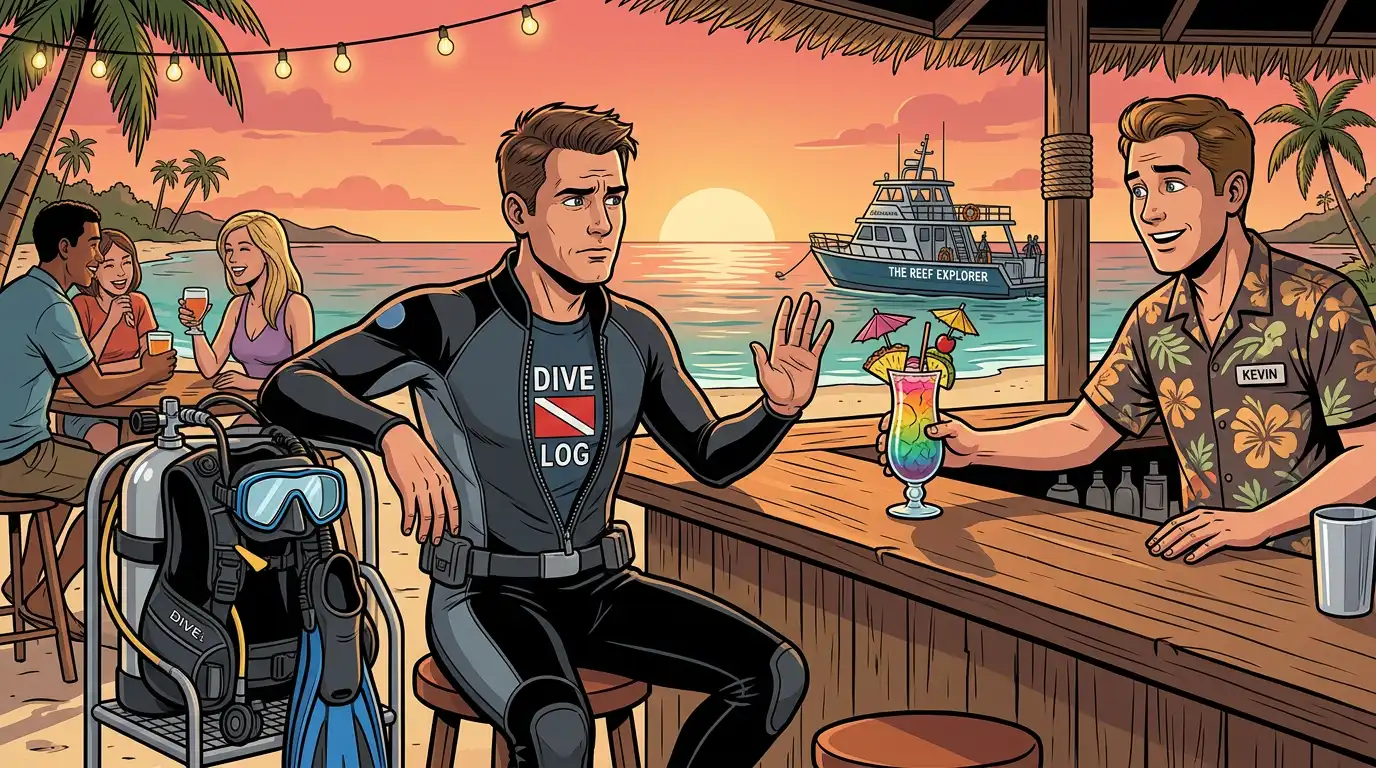
Understanding Alcohol’s Effects on Diving Physiology
Alcohol is a depressant for the central nervous system, which means it slows down communication between neurons in the brain and body. This is a perilous mix for divers since they can't make good decisions when they need to make split-second choices that could mean life or death. Drinking alcohol makes diving more dangerous since it makes it harder to think clearly and coordinate your movements. Even experienced divers show a substantial drop in performance at blood alcohol levels as low as 0.04%, which is the same as drinking two beers in one hour.
It is very important for scuba diving. You need to keep an eye on the oxygen supply, depth, your dive companion, and the weather all at the same time when you're underwater. Diving is especially vulnerable to the effects of alcohol since it requires you to do more than one thing at once. Studies show that alcohol makes it harder to focus on more than one thing at a time.
Dehydration and Decompression Sickness Risk
Alcohol makes you urinate more, which makes you dehydrated and makes the fluid loss from breathing dry air via your regulator worse. Dehydration lowers the amount of blood accessible for nitrogen off-gassing during ascent, which immediately raises the risk of getting decompression sickness.
Blood viscosity is what links dehydration to DCS risk factors. When you don't drink enough water, your blood gets thicker, which makes it harder for blood to flow and lets tissues hold more nitrogen. This makes it easier for bubbles to form, which is what causes the bends. Scuba diving and drinking alcohol may make decompression sickness worse or cause it by affecting how bubbles form and how nitrogen is stored. There is also the chance that alcohol changes the way bubbles develop and the danger of DCS by changing the way the body works, including changing the surface tension and nitrogen absorption. However, this is only a scientific theory. When you drink alcohol and do other things that make you dehydrated while diving (such flying, sweating, or getting traveler's diarrhea), the risks add up and many recreational divers don't realize how dangerous they are.
Also, scuba diving and alcohol might make it harder to figure out if someone has decompression sickness because the symptoms are similar, including tiredness, which could delay getting the right medical help.
Nitrogen Narcosis Amplification
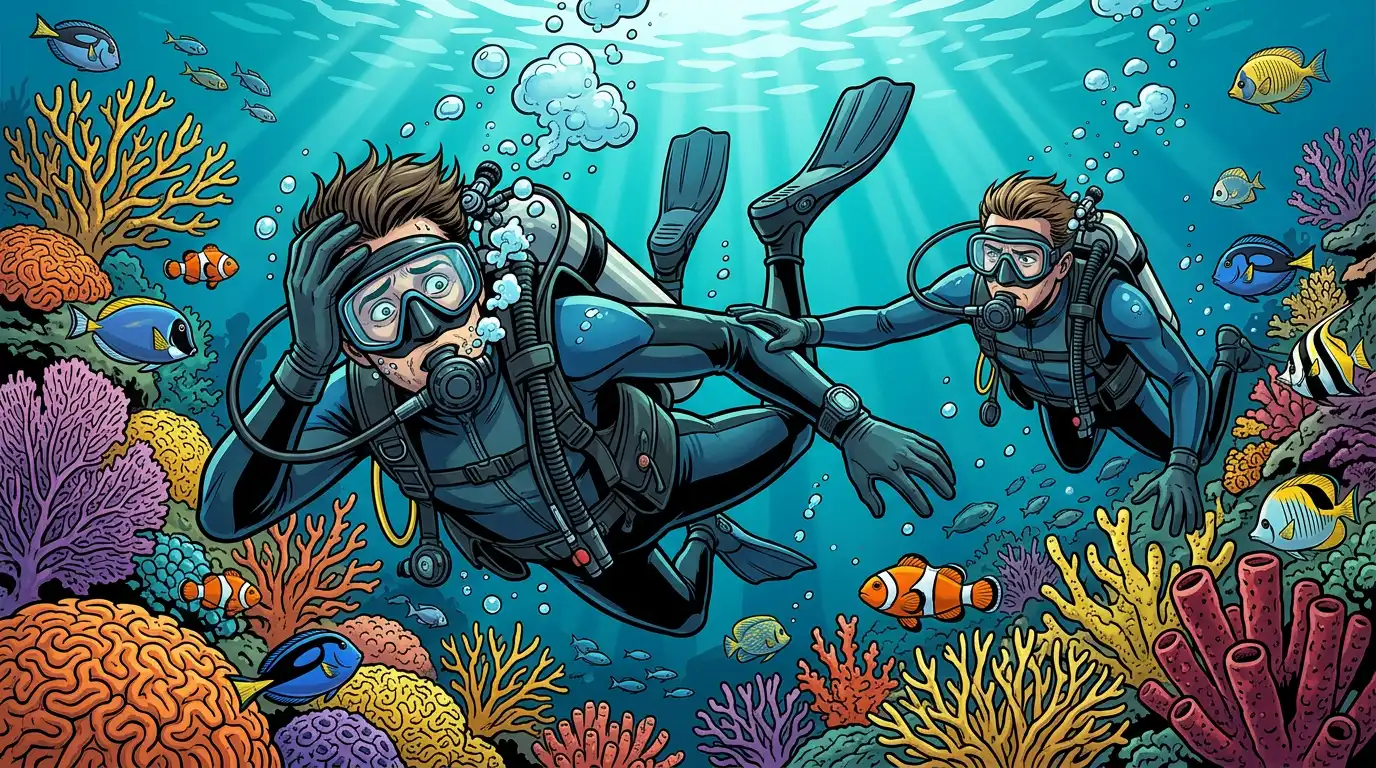
Nitrogen narcosis, often known as "rapture of the deep," makes it hard to focus, makes you sleepy, makes you feel good, and messes up your judgment when you breathe compressed air at depth. Alcohol and narcosis work together to provide a stronger effect than either would have on its own.
Even a little bit of alcohol left in your system makes narcosis symptoms much worse. When you're sober, mild euphoria at 30 meters could be manageable, but it might become disoriented and dangerous when you're drunk. The relationship is especially dangerous because narcosis from alcohol can make people feel too confident, which makes them take risks they wouldn't ordinarily take and makes it harder for them to see how impaired they are.
Thermal Regulation Impairment
Alcohol makes blood vessels wider, which increases blood flow to the skin from the outside. The feeling of warmth is wrong because it speeds up the loss of heat from your body core to the water around you. This is because blood flow and peripheral blood flow both rise. This expanding vessels effect can swiftly cause hypothermia when scuba diving, as water takes heat away from the body 25 times quicker than air.
When you mix cold water with alcohol, it creates a deadly chain reaction: muscle problems make it harder to swim, slower reaction times make it harder to respond to emergencies, and bad judgment keeps divers from realizing they're in trouble. This link between physiological impacts and safety rules in the real world shows why time is so important for every diver.
Alcohol Consumption Timing and Diving Safety
Comprehending the impact of alcohol on diving physiology inherently results in the formulation of precise timing techniques. It takes the body around an hour to break down one ordinary drink of alcohol, but the effects on the brain and body last much longer than that.
Pre-Dive Alcohol Restrictions
The standard for the diving industry, supported by PADI, DAN, and other major diving groups, is a minimum of 24 hours of not drinking before diving. This schedule takes into account the full metabolic clearance of alcohol and makes sure that cognitive functions return to normal.
The scientific justification transcends mere intoxication. Residual effects on the central nervous system might still make it hard to concentrate and react even after the blood alcohol content has dropped to zero. Studies show that divers with a blood alcohol content (BAC) of 0.04% had drastically impaired skills when their videos were analyzed, although they didn't know they were impaired. This false confidence lasts even after drinking, so "I feel fine" isn't a good sign that you're ready to dive. If you wouldn't drive, you shouldn't dive. That's just common sense.
Between-Dive Considerations
Scuba diving and drinking alcohol between dives on the same day can make things more dangerous and put you in an emergency situation. There is a complete ban on drinking alcohol during surface intervals.
Surface intervals are there so that nitrogen can leave tissues. Alcohol makes this process harder by drying out your blood and making it harder for you to keep track of your dive profiles for future dives. A few drinks between morning and afternoon dives could make the difference between a regular ascent and a serious case of decompression sickness. Alcohol-induced vasodilation also changes how quickly nitrogen is absorbed, which could mean that tissues get more nitrogen than diving tables or computers say they should.
Post-Dive Alcohol Guidelines
After diving, you should wait at least an hour before drinking alcohol. This gives your body time to continue off-gassing. But longer breaks are better, especially after deeper or longer dives, diving that happens often, or any dive that gets close to the no-decompression limitations.
Drinking alcohol can also lower blood sugar levels, which could make divers more tired.
This link to what we already know about bubble production and decompression explains why drinking cold beer just after surfacing is dangerous. Your body keeps getting rid of dissolved nitrogen for hours after you dive. Alcohol makes you dehydrated and opens up your blood vessels, which makes decompression sickness more likely at this time.
Also, the symptoms of a hangover can hide early indicators of decompression sickness, which could delay important medical care. To avoid problems, it's important to quickly recognize and treat the signs of DCS. Many experienced divers follow a "dive first, drink later" rule, which means they wait until the evening to celebrate after all the diving is done. This temporal guideline automatically leads into full risk management plans.
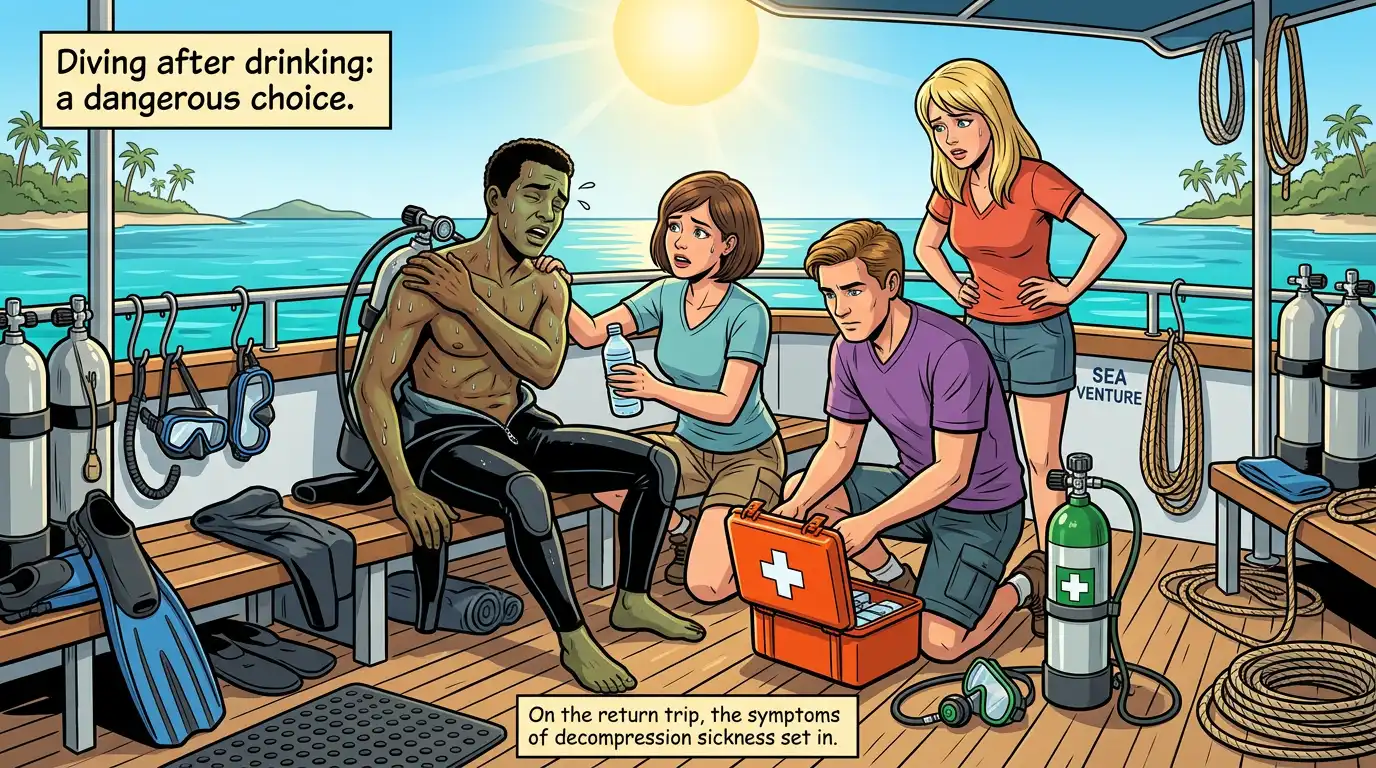
Risk Assessment and Safety Protocols
Building on knowledge of physiology and time rules, making thorough safety plans lets recreational divers have fun while diving and socializing in a safe way. It's not about not drinking alcohol on dive trips; it's about making smart choices that keep you safe.
A lot of people make the mistake of not realizing how alcohol might affect diving safety, which can have catastrophic ramifications.
Safe Drinking Guidelines for Divers
Planning and self-control are necessary for responsible scuba diving and alcohol on dive vacations. When you do decide to drink, following evidence-based rules lower the risk:
- Limit evening consumption to 2-3 drinks maximum the night before diving, finishing at least 8 hours before your first dive
- Maintain hydration by drinking plenty of water—at least one glass of water per alcoholic drink, plus additional hydration throughout the day
- Ensure quality sleep of 8+ hours between drinking and diving; fatigue compounds alcohol’s negative effect on performance
- Never dive with symptoms of hangover—headache, nausea, fatigue, or vomiting are absolute contraindications; wait until hangover free
Risk Factor Comparison Table
| Diving Condition | No Alcohol | With Alcohol |
|---|---|---|
| Decompression Sickness Risk | Standard risk level based on dive profile | Significantly increased risk due to dehydration and impaired off-gassing |
| Reaction Time Underwater | Normal response capability | Delayed by 20-30%, impairing emergency response |
| Thermal Protection | Standard body heat retention | Increased heat loss through expanding blood vessels |
| Nitrogen Narcosis Intensity | Manageable at typical recreational depths | Amplified symptoms leading to impaired judgment |
| Accident Likelihood | Baseline recreational diving statistics | Alcohol contributes to ~50% of diving accidents |
This synthesis helps readers realize that risk factors build on one other in a way that is not linear. A diver who is a little dehydrated, a little impaired, and diving in cold water is much more at risk than any one of these things would suggest. Understanding these accumulated risks naturally leads to tackling typical real-world situations.
Common Challenges and Solutions
Divers who are serious about safety protocols face problems because of social pressures and holiday culture. Finding practical answers to these problems helps keep diving excursions safe and fun.
Peer Pressure During Dive Trips
Alcohol is typically present in social situations on dive boats and at island resorts. Clear plans help keep people safe without making them feel alone:
Order non-alcoholic drinks that look like cocktails, including sparkling water with lime, virgin mojitos, or beer without alcohol. Talk to your dive buddy about your policy; most divers will appreciate your choices if you explain them. A simple "I'm diving early tomorrow" ends most talks if you have to. One in three people who go on a dive trip may have the same worries as you but haven't said anything. Your example offers others permission to put safety first.
Tropical Destination Drinking Culture
Many scuba vacation spots have party-like atmospheres where people drink a much. To handle this situation, you need to plan ahead:
Plan your diving for the mornings so you may spend the afternoons and evenings with friends, drinking if you want to. Pick places to stay where dive operations keep things professional instead of party-like. Plan some time to relax throughout your trip. Not every night has to be a late one, and not every day has to include diving. You need to be fully able to dive when you get there.
Multi-Day Dive Trip Planning
People who go on intensive dive trips, stay on liveaboards in Indonesia, or stay at dive-focused resorts with numerous daily dives need to be very careful about how much alcohol they drink:
Only drink alcohol on "off" nights when you don't have to dive the next morning. Follow hydration rules strictly: drink a lot of water before, during, and after drinking alcohol. Carefully watch for signs of a hangover the morning after drinking. If you feel tired, have a headache, or any other sign of a hangover, you should skip the first dive. You and your dive companion both need a partner who is fully capable.
These solutions link useful trip management to the steps every diver should follow.
Conclusion and Next Steps
When scuba diving or drinking, you need to be very mindful of your body and the risks involved. There is little doubt that drinking alcohol while scuba diving greatly raises the risks of decompression illness, poor judgment, accidents, and even death. Even experienced divers routinely underestimate how alcohol affects their performance. This is because being inebriated means not being aware of it.
Immediate actionable steps:
- Establish your personal alcohol policy before your next dive trip and commit to it in writing
- Communicate your safety protocols with your dive buddy and hold each other accountable
- Create trip-specific plans that schedule diving and drinking activities with appropriate buffers
Some other areas that are worth looking into are diving emergency protocols for dealing with alcohol-related occurrences, dive fitness criteria that go beyond alcohol use, and dive insurance policies that may not cover alcohol-related incidents.
Additional Resources
- Divers Alert Network (DAN) maintains extensive research on alcohol and diving accidents, including the foundational studies documenting alcohol’s contribution to 50% of diving accidents
- PADI and SSI official policies provide clear organizational stances on alcohol consumption timing relative to diving activities
- Dive medical examination guidelines include fitness standards addressing substance use, and pre-dive physicals can identify individual risk factors for alcohol-related complications
- Emergency contact protocols for DAN’s 24-hour diving emergency hotline should be saved in every diver’s phone before any dive trip