Liveaboard guide
Indonesia Liveaboard Diving: Destinations, Seasons and Routes
Indonesia has more reef than any other country and most of it is far from a dive shop. This guide explains where liveaboards go, when each region is at its best, how to get to the departure ports and where the Neptune fleet sails each month.
- Destinations
- 8 regions from Bali to Papua
- Season
- Year-round, the regions rotate
- Typical trip
- 5 to 11 nights
- Departure ports
- Labuan Bajo, Sorong, Ambon and more
- Neptune fleet
- 3 liveaboards
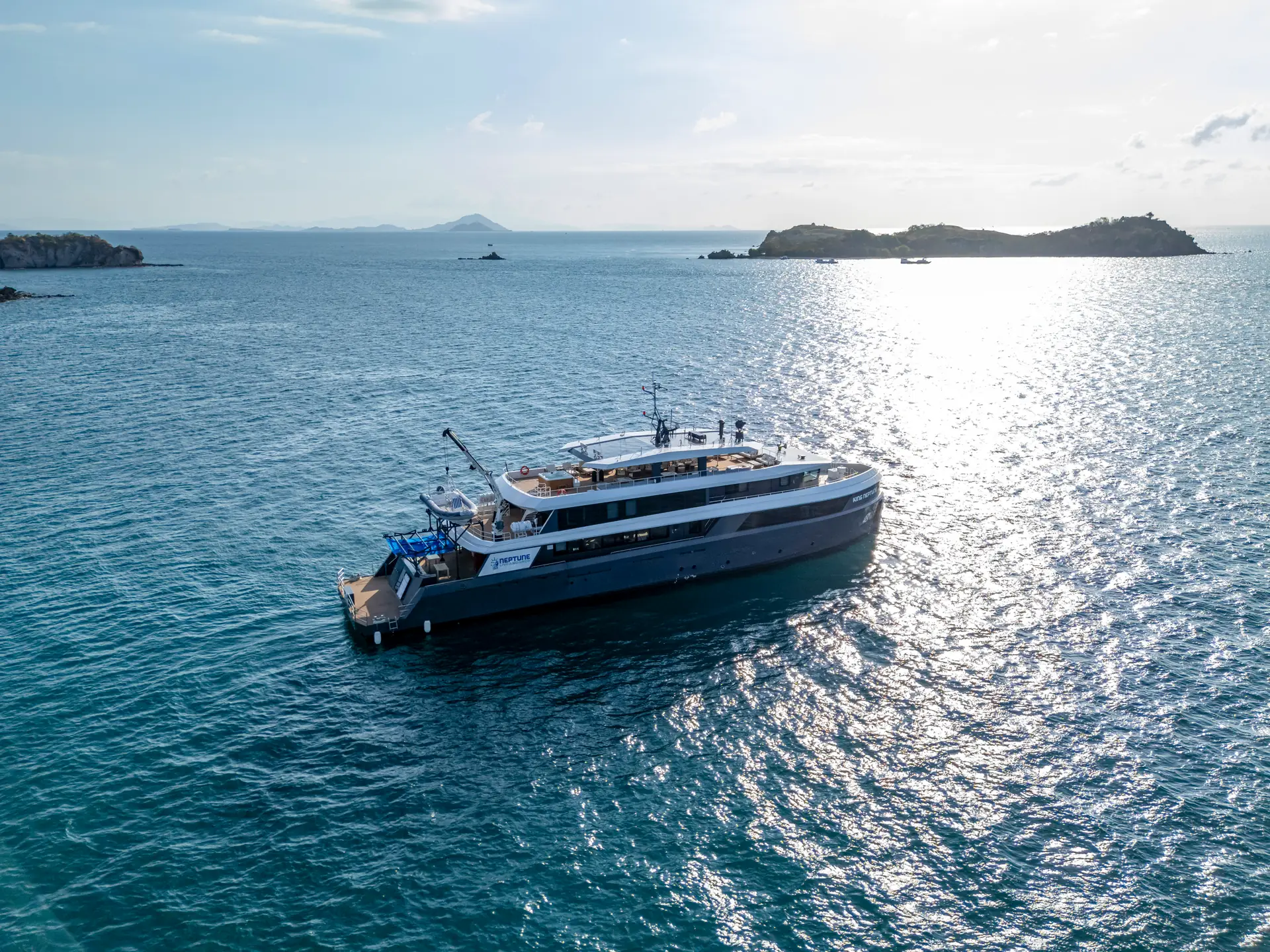
An Indonesia liveaboard is a dive boat that you live on for a week or more, sailing between remote reefs and diving three or four times a day. It is the main way to dive the far east of the archipelago, from Komodo National Park to Raja Ampat, where distances are large and land-based dive centres are few. Neptune operates three boats: the 46 m yacht King Neptune, the renovated phinisi Neptune One and the small-group Komodo Sea Dragon.
Indonesia's monsoons decide where the boats can go. Each region has a calm season of a few months, so the larger liveaboards follow the weather around the country: Raja Ampat in the northern winter, Komodo in the middle of the year, and Alor and the Banda Sea in between. Smaller boats such as Komodo Sea Dragon stay in one area. The full fleet, cabins and prices are on the Neptune liveaboard fleet page.
The sections below compare the eight regions Neptune visits, show the best months for each in a single table and list the airports and ports used for every route. For a head-to-head comparison of the three best known areas, see Komodo vs Raja Ampat vs Banda Sea.
Where do liveaboards go in Indonesia?
Most Indonesian liveaboards operate in the eastern half of the country, between Bali and Papua, where the Coral Triangle has its greatest diversity. The map shows the eight regions in this guide and the yearly route that King Neptune and Neptune One follow between them.
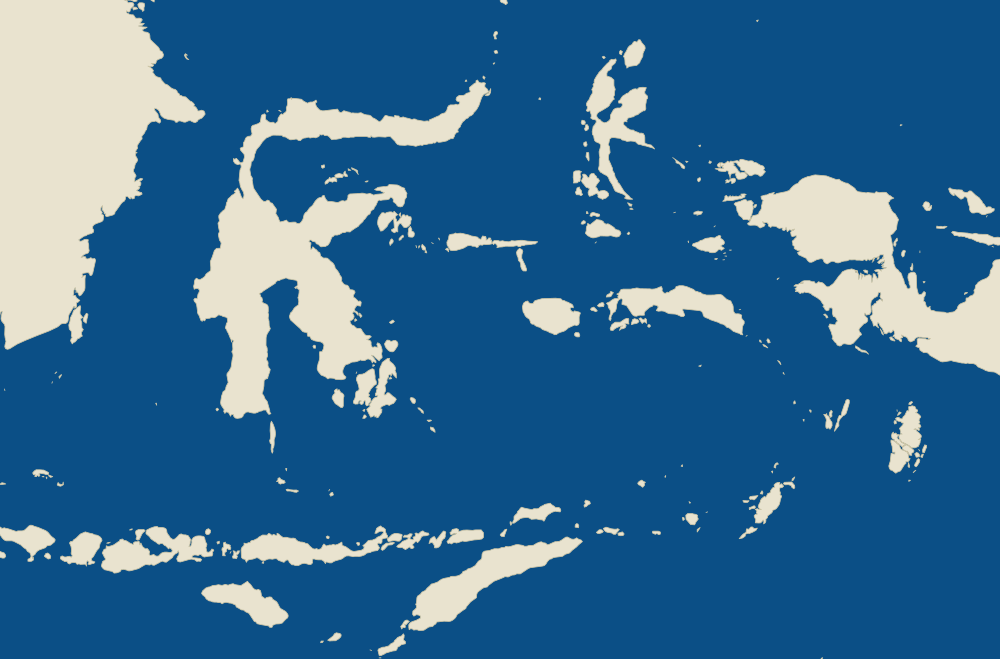
The route moves east with the seasons. In June the boats leave Bali for Komodo, then continue to Alor in August and the Banda Sea in September. In late October and November they cross to Triton Bay and Raja Ampat for the winter season, before returning west in spring through the Banda Sea, Wakatobi or Halmahera. Komodo Sea Dragon stays in Komodo National Park.
Indonesia liveaboard destinations
Eight regions are covered in detail below, each with its own guide to the dive sites, seasons, marine life, logistics and Neptune departures.
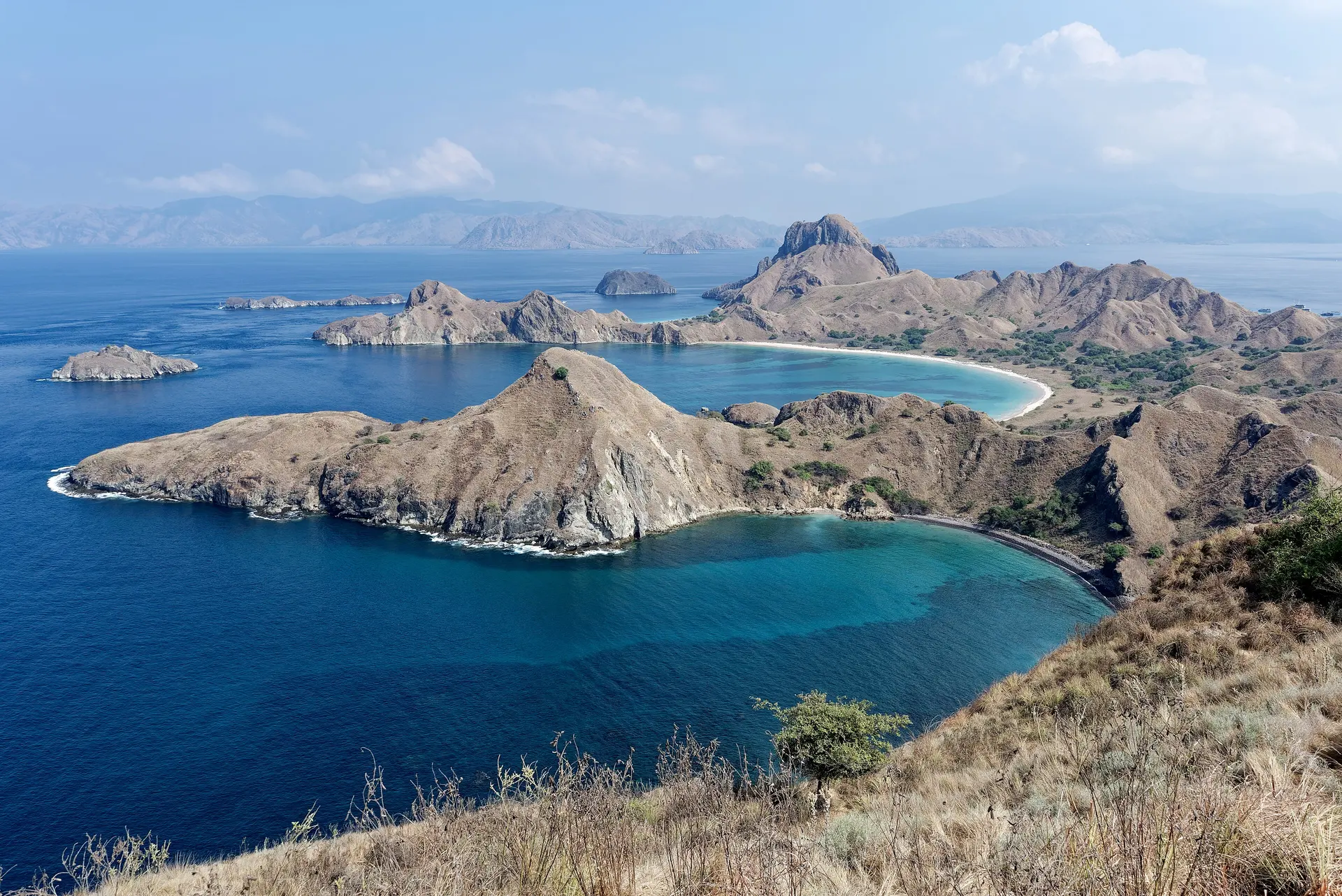
Komodo Liveaboard
Current-swept pinnacles, manta cleaning stations and Komodo dragons ashore, in a national park one hour by air from Bali.
Read the guide →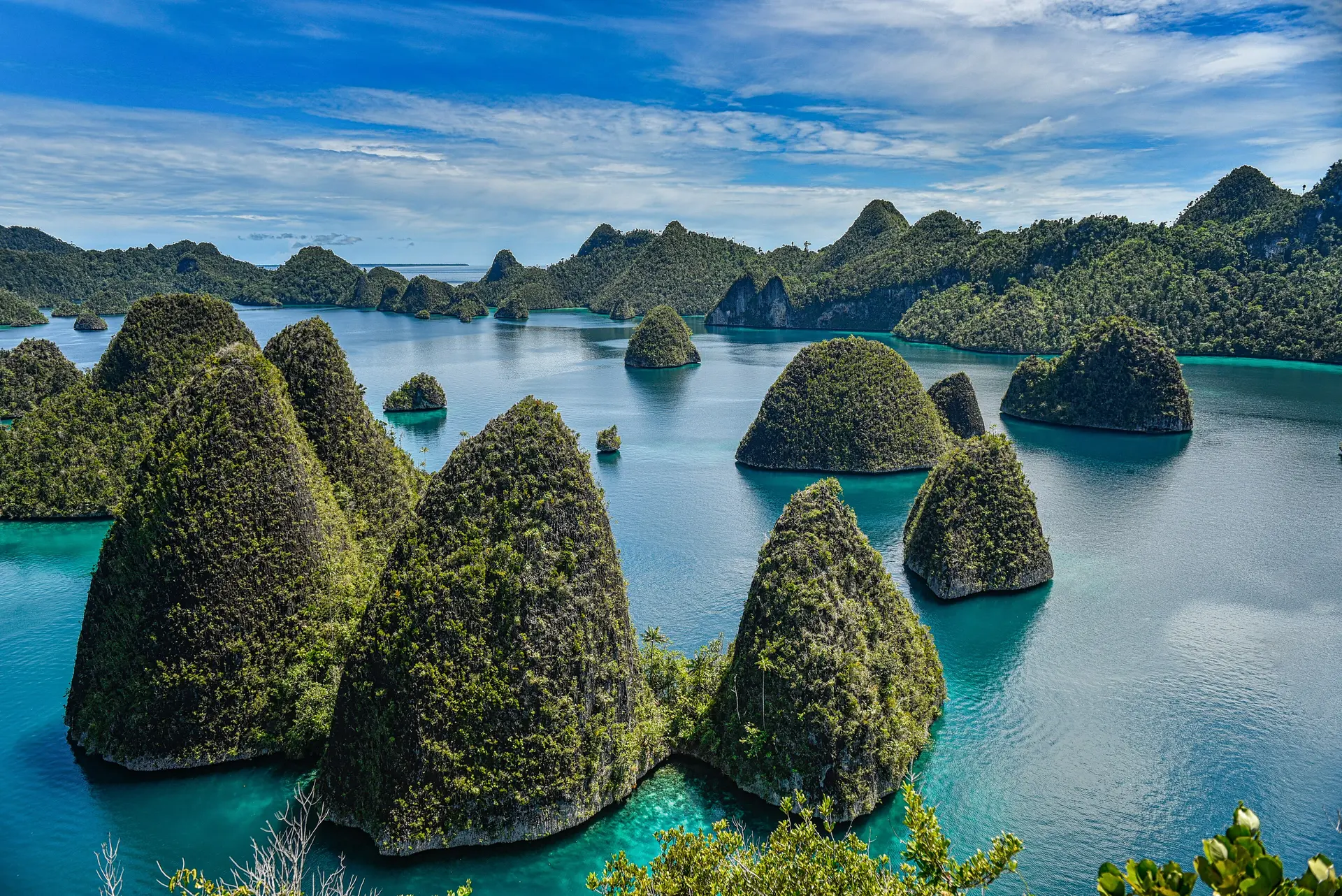
Raja Ampat Liveaboard
The highest reef fish diversity recorded anywhere, spread across Dampier Strait, Misool and the northern karst islands.
Read the guide →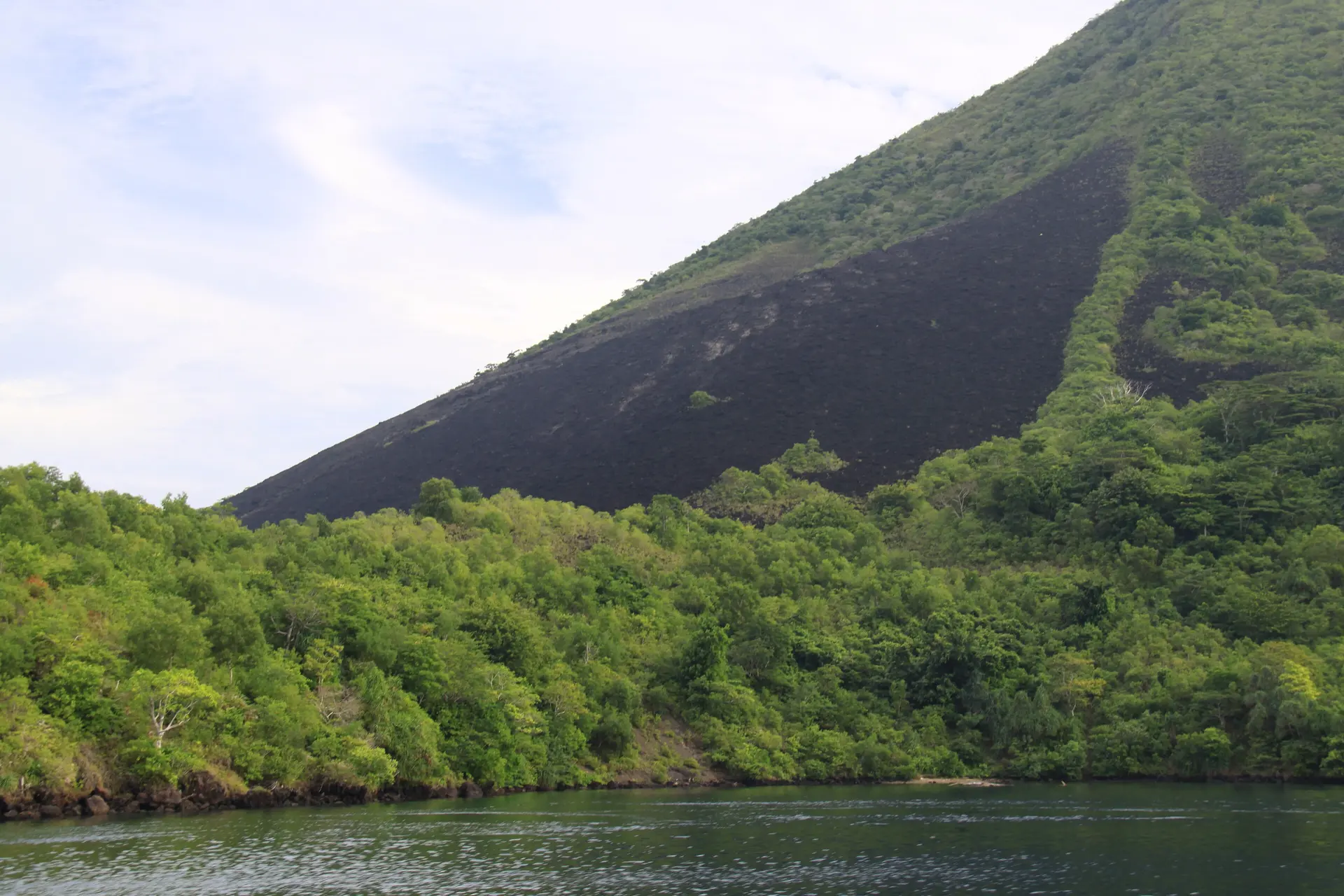
Banda Sea Liveaboard
Schooling hammerheads, deep blue walls and the old nutmeg islands, reached on a short weather window each year.
Read the guide →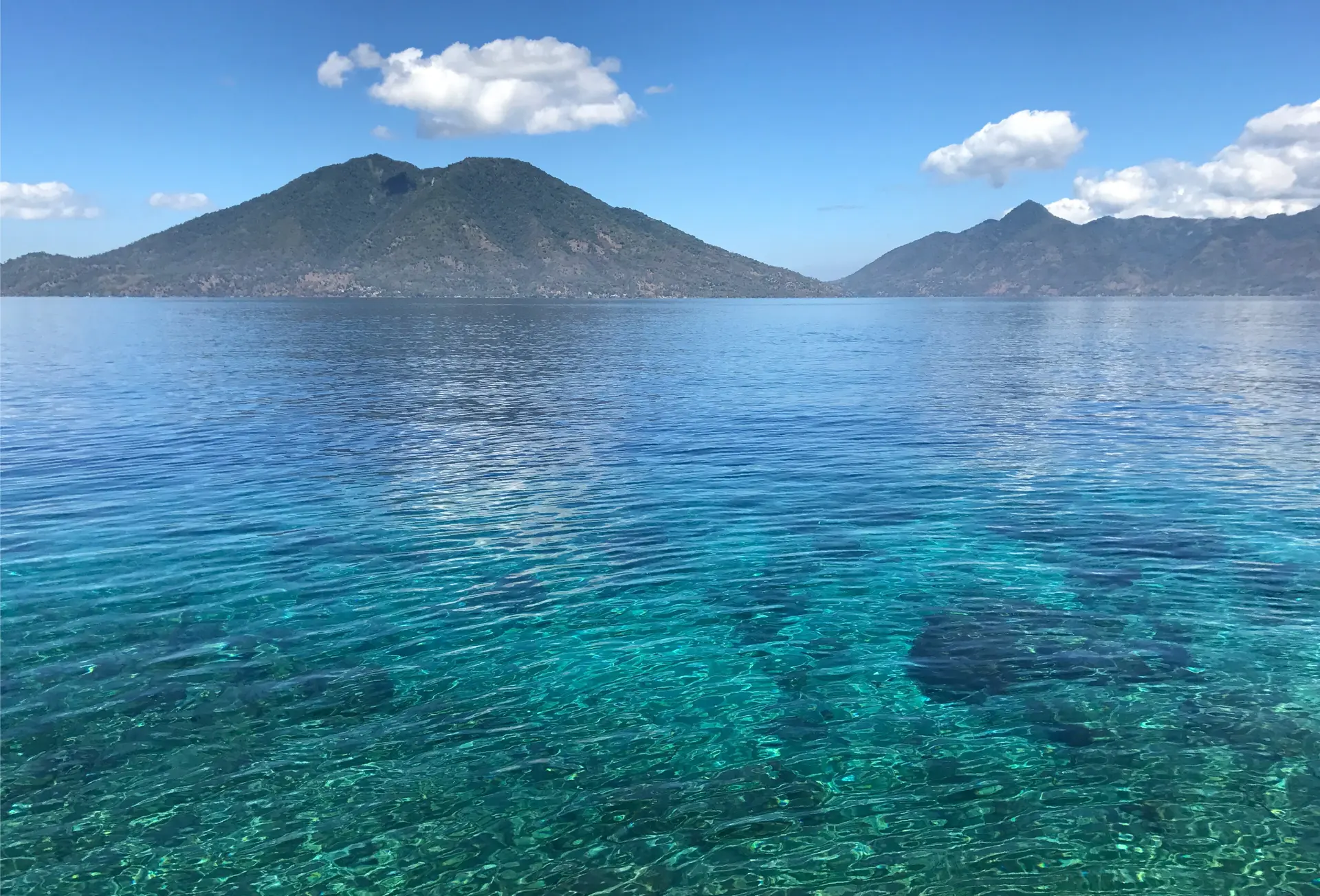
Alor Liveaboard
Cold, clear walls in the Pantar Strait, critter-rich Kalabahi Bay and some of the healthiest hard coral in Nusa Tenggara.
Read the guide →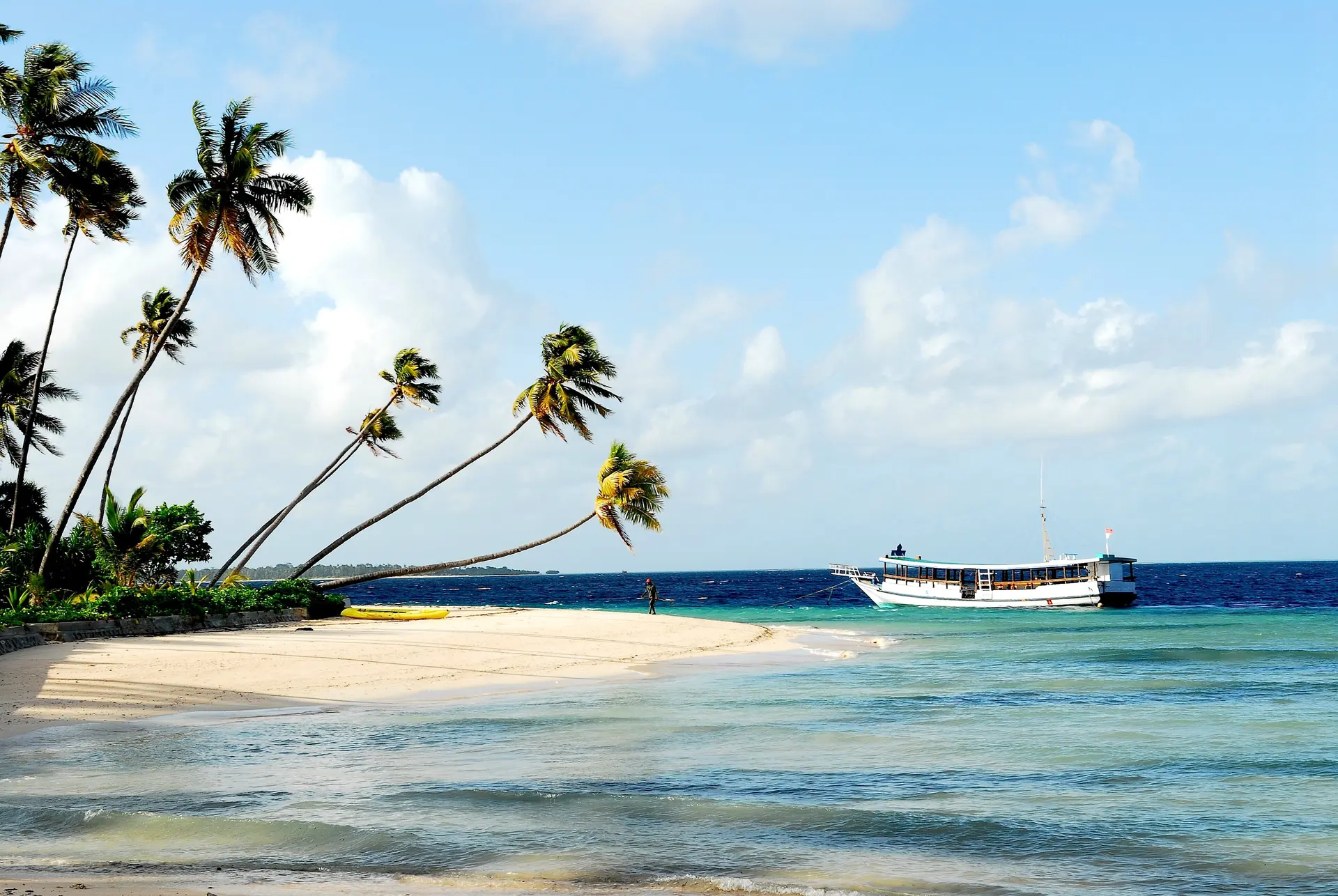
Wakatobi Liveaboard
A UNESCO biosphere reserve of fringing reefs and atolls off southeast Sulawesi, known for visibility and gentle wall diving.
Read the guide →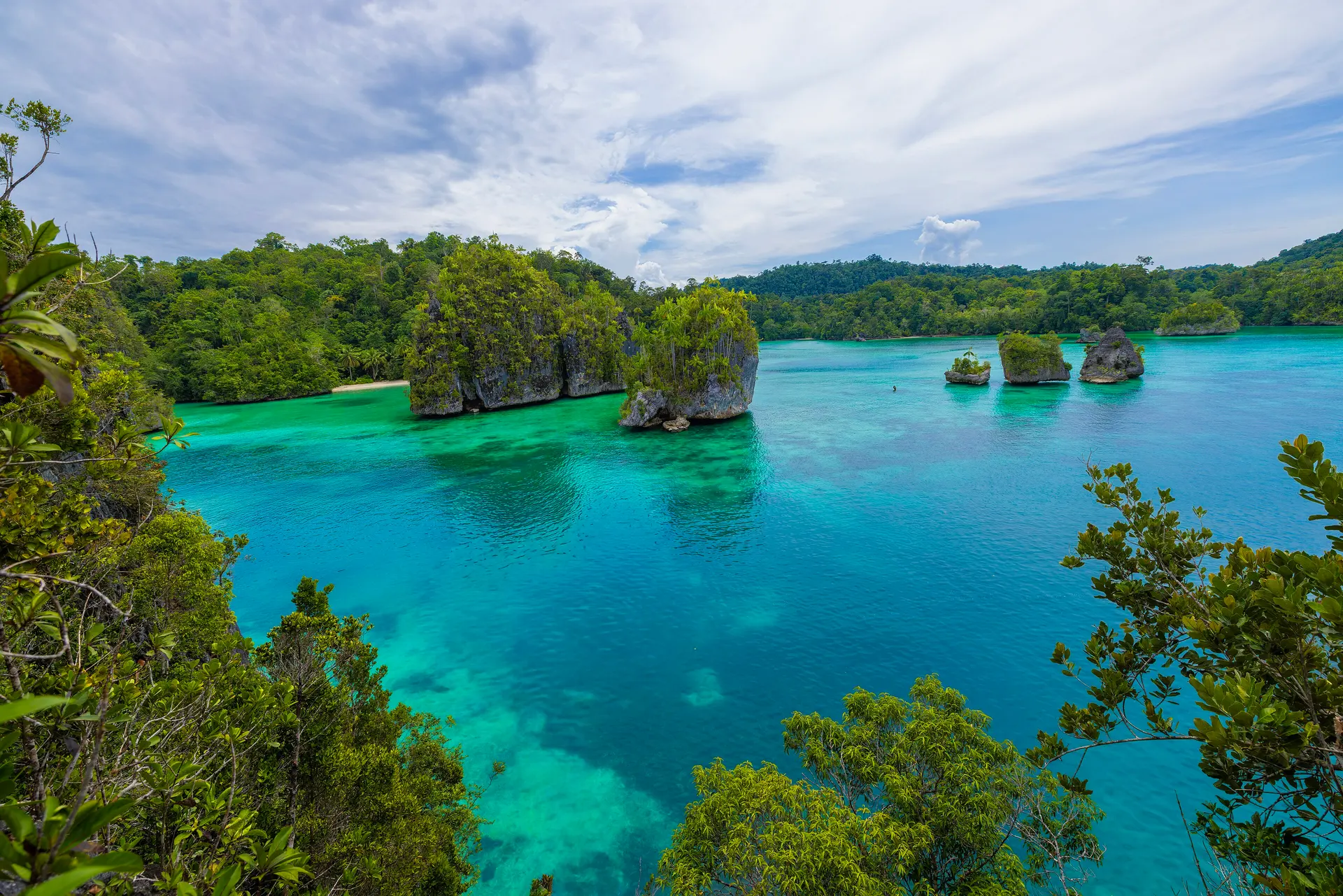
Triton Bay Liveaboard
Soft coral forests in plankton-rich water, walking sharks and whale sharks at fishing platforms on the south coast of West Papua.
Read the guide →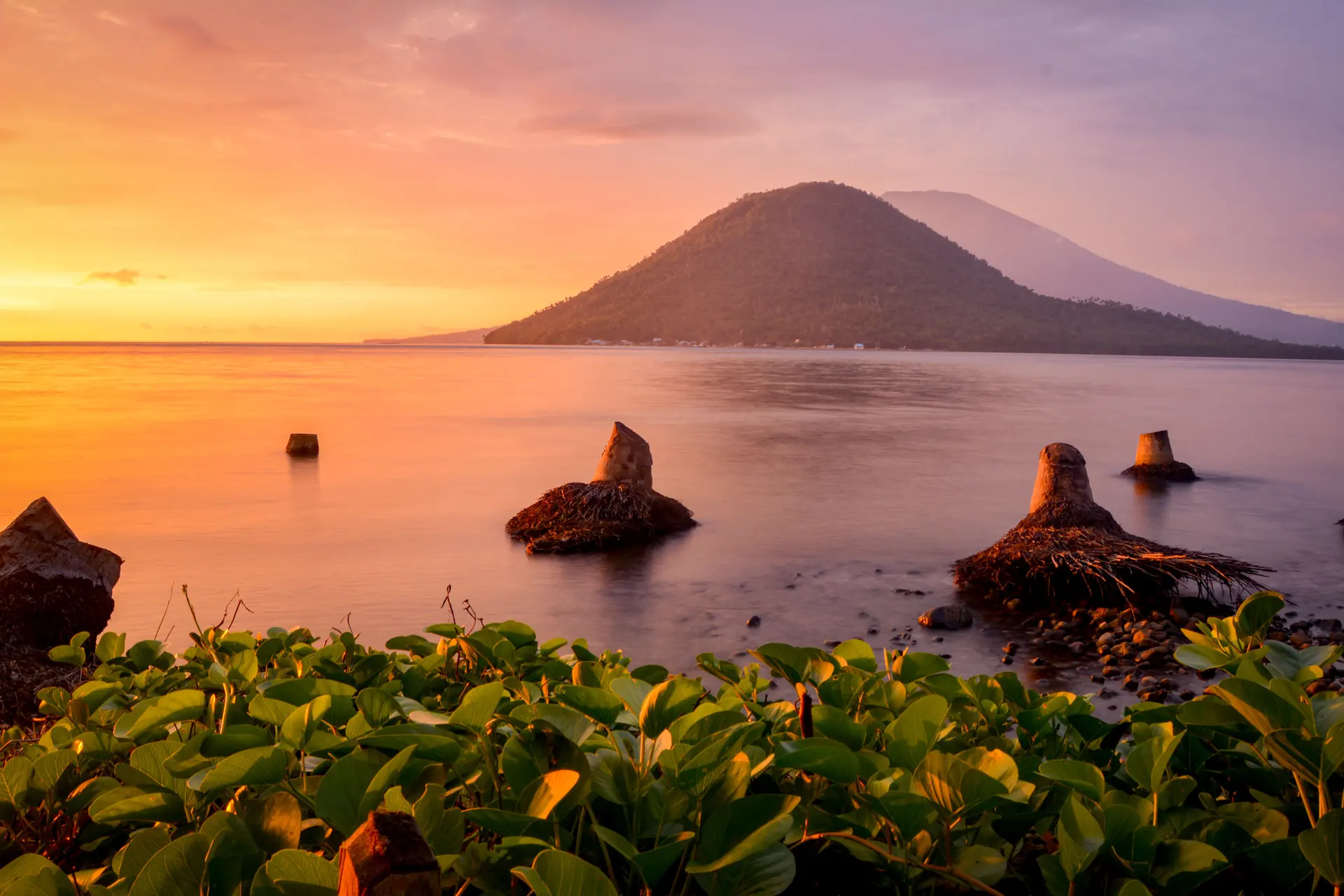
Halmahera Liveaboard
Rarely dived North Maluku reefs with their own endemic walking shark, strong drifts and Second World War wrecks off Morotai.
Read the guide →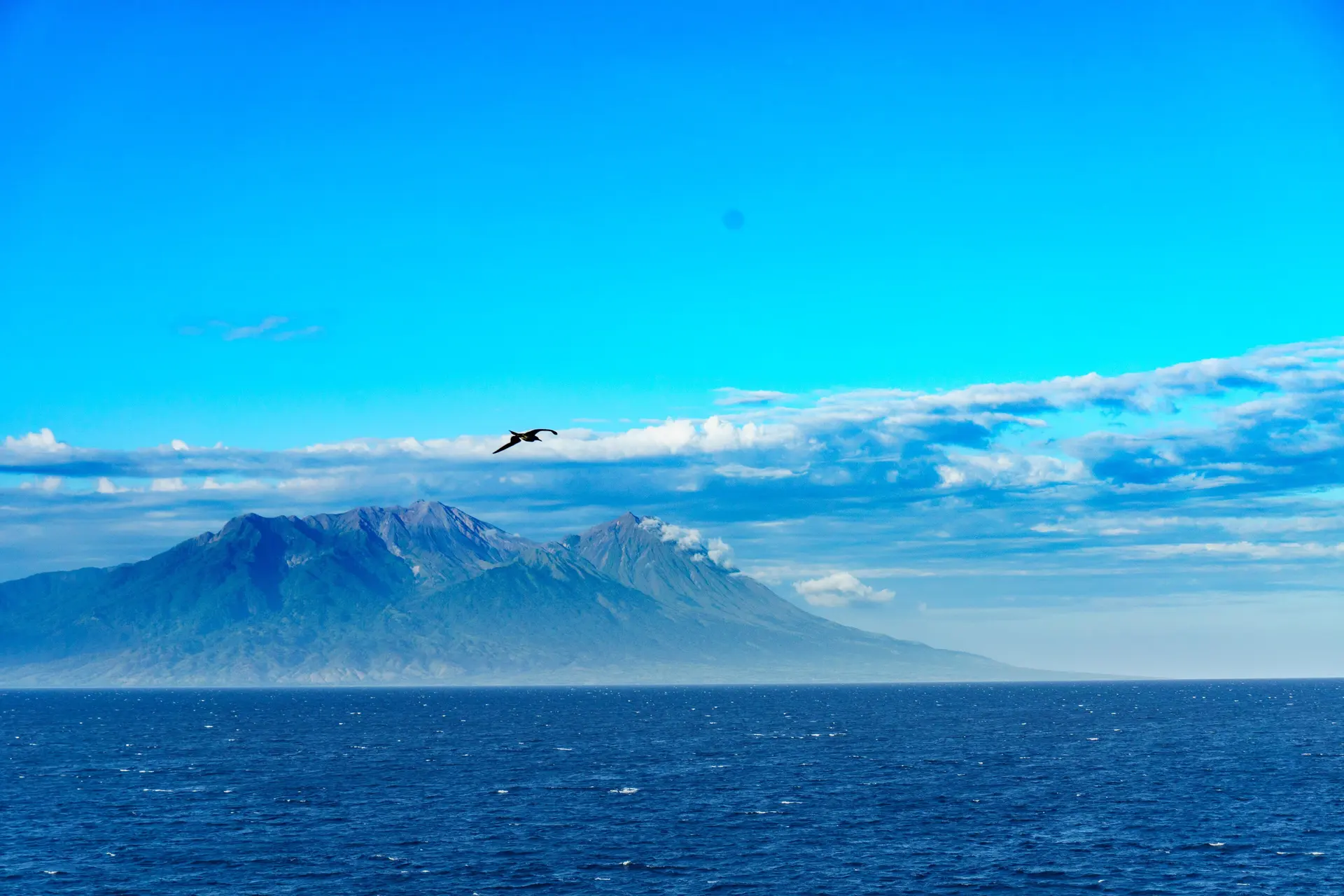
Sumbawa Liveaboard
The Bali to Komodo crossing: volcanic black sand reefs at Sangeang, the crater lake of Satonda and turtles at Moyo.
Read the guide →When is the best time for a liveaboard in Indonesia?
There is a good liveaboard destination in Indonesia in every month of the year. Raja Ampat and Triton Bay are best from October to April, Komodo, Alor and the Sumbawa crossing from April or May to October, and the Banda Sea in the short windows of late September to early November and March to May.
| Destination | Jan | Feb | Mar | Apr | May | Jun | Jul | Aug | Sep | Oct | Nov | Dec |
|---|---|---|---|---|---|---|---|---|---|---|---|---|
| Komodo | Good | Off season | Good | Best | Best | Best | Best | Best | Best | Best | Good | Good |
| Raja Ampat | Best | Best | Best | Best | Good | Off season | Off season | Off season | Off season | Good | Best | Best |
| Banda Sea | Off season | Off season | Good | Good | Good | Off season | Off season | Off season | Good | Best | Good | Off season |
| Alor | Off season | Off season | Good | Best | Best | Best | Best | Best | Best | Good | Good | Off season |
| Wakatobi | Good | Good | Best | Best | Best | Good | Off season | Good | Best | Best | Best | Good |
| Triton Bay | Best | Best | Good | Good | Off season | Off season | Off season | Off season | Off season | Good | Best | Best |
| Halmahera | Off season | Good | Best | Best | Best | Good | Good | Good | Good | Best | Best | Good |
| Sumbawa | Off season | Off season | Off season | Good | Best | Best | Best | Best | Best | Good | Off season | Off season |
- Best
- Good
- Off season
- Neptune departures
The pattern comes from the two monsoons. From December to March the northwest monsoon brings rain and wind to Nusa Tenggara and southern Maluku, while Papua's north-facing coasts stay calm. From June to September the southeast trade winds reverse the picture. The Banda Sea, open to both, is calm only in the transitions between them. Water temperature changes less than people expect: 27 to 30°C in most regions, with cold upwellings in southern Komodo and Alor where it can drop to 22°C.
Where does the Neptune fleet sail each month?
King Neptune and Neptune One spend November to March in Raja Ampat, June to August in Komodo and September to October in the Banda Sea, with transit routes through Alor, Wakatobi, Triton Bay and Halmahera. Komodo Sea Dragon stays in Komodo National Park.
| Month | King Neptune | Neptune One | Komodo Sea Dragon |
|---|---|---|---|
| January | Raja Ampat; Kaimana to Sorong (2027) | Raja Ampat, Misool Exploration | Komodo National Park |
| February | Raja Ampat | Raja Ampat | Komodo National Park |
| March | Raja Ampat; Raja Ampat to Banda Sea (2027) | Raja Ampat | Komodo National Park |
| April | Raja Ampat to Halmahera (2026); Ambon to Wakatobi (2027) | Misool to Banda Sea; Wakatobi to Alor (2027) | Komodo National Park |
| May | Halmahera and Manado (2026) | Alor to Komodo (2027) | Komodo National Park |
| June | Halmahera; Komodo from late June | Bali to Komodo; Best of Komodo | Komodo National Park |
| July | Komodo North and South | Best of Komodo | Komodo National Park |
| August | Komodo; Komodo to Alor | Komodo; Komodo to Alor; Alor to Wakatobi | Komodo National Park |
| September | Alor to Banda Sea; Banda Sea | Wakatobi to Alor; Alor to Banda Sea; Banda Sea | Komodo National Park |
| October | Banda Sea; Banda Sea to Triton Bay (2026) or Halmahera (2027) | Banda Sea; Banda Sea to Misool; Raja Ampat | Komodo National Park |
| November | Triton Bay to Raja Ampat; Raja Ampat | Raja Ampat; Triton Bay (2027) | Komodo National Park |
| December | Raja Ampat | Raja Ampat | Komodo National Park |
Based on the published 2026 to 2028 schedules. Exact dates, nights and availability are listed on each boat page and change from year to year.
Which Neptune liveaboard should you choose?
Our fleet has a boat for every style of trip. King Neptune is our flagship yacht for the long expeditions, Neptune One is our traditional phinisi with the widest choice of routes, and Komodo Sea Dragon is our small-group boat dedicated to Komodo.
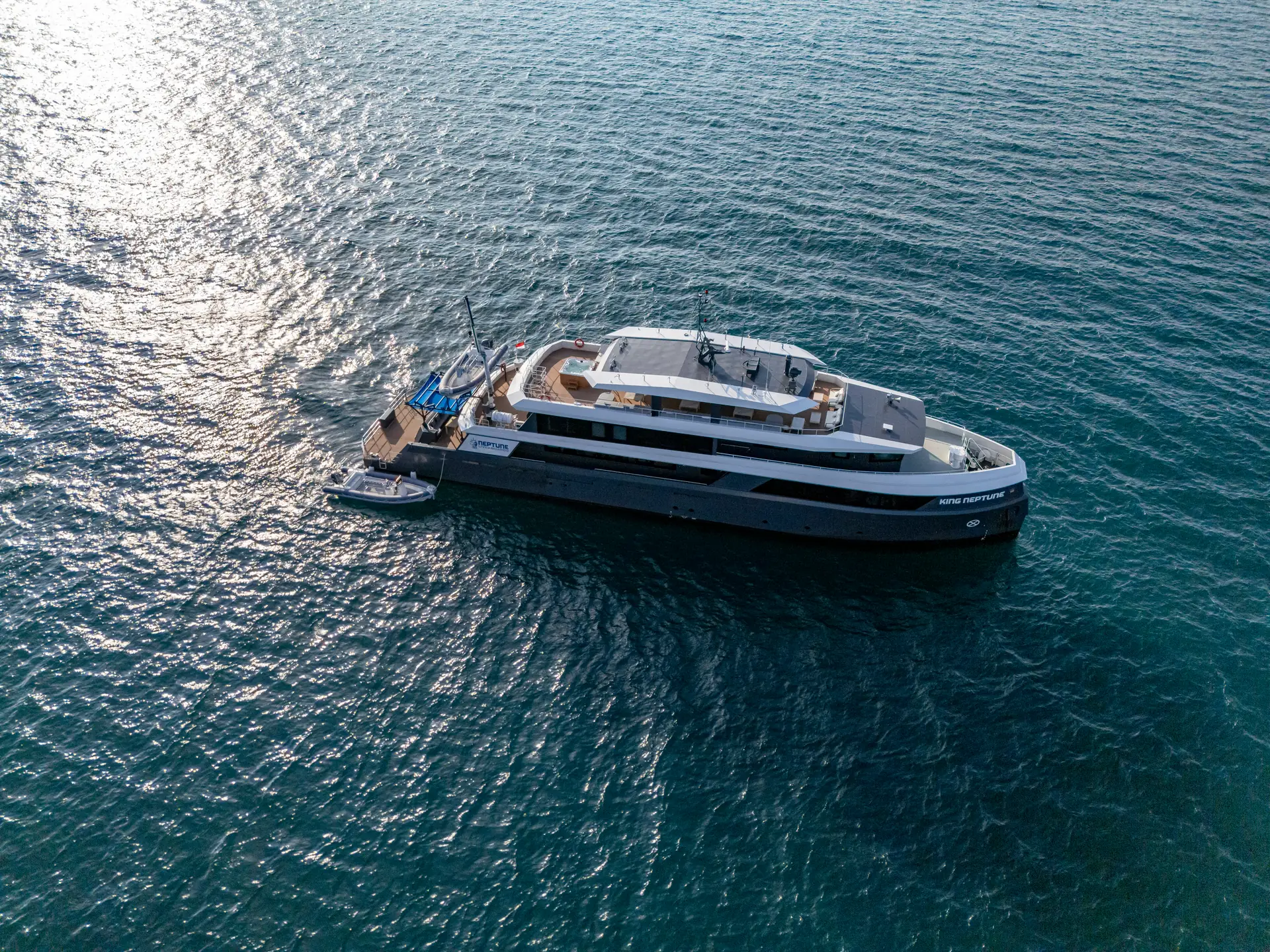
King Neptune
Our flagship and the largest boat in the fleet. King Neptune takes our guests on the longest expeditions, from Raja Ampat and Triton Bay to the Banda Sea, Alor, Wakatobi, Halmahera and Komodo, with Nitrox included on every dive, a dedicated camera station and a sun deck jacuzzi to end the day.
See cabins and departures →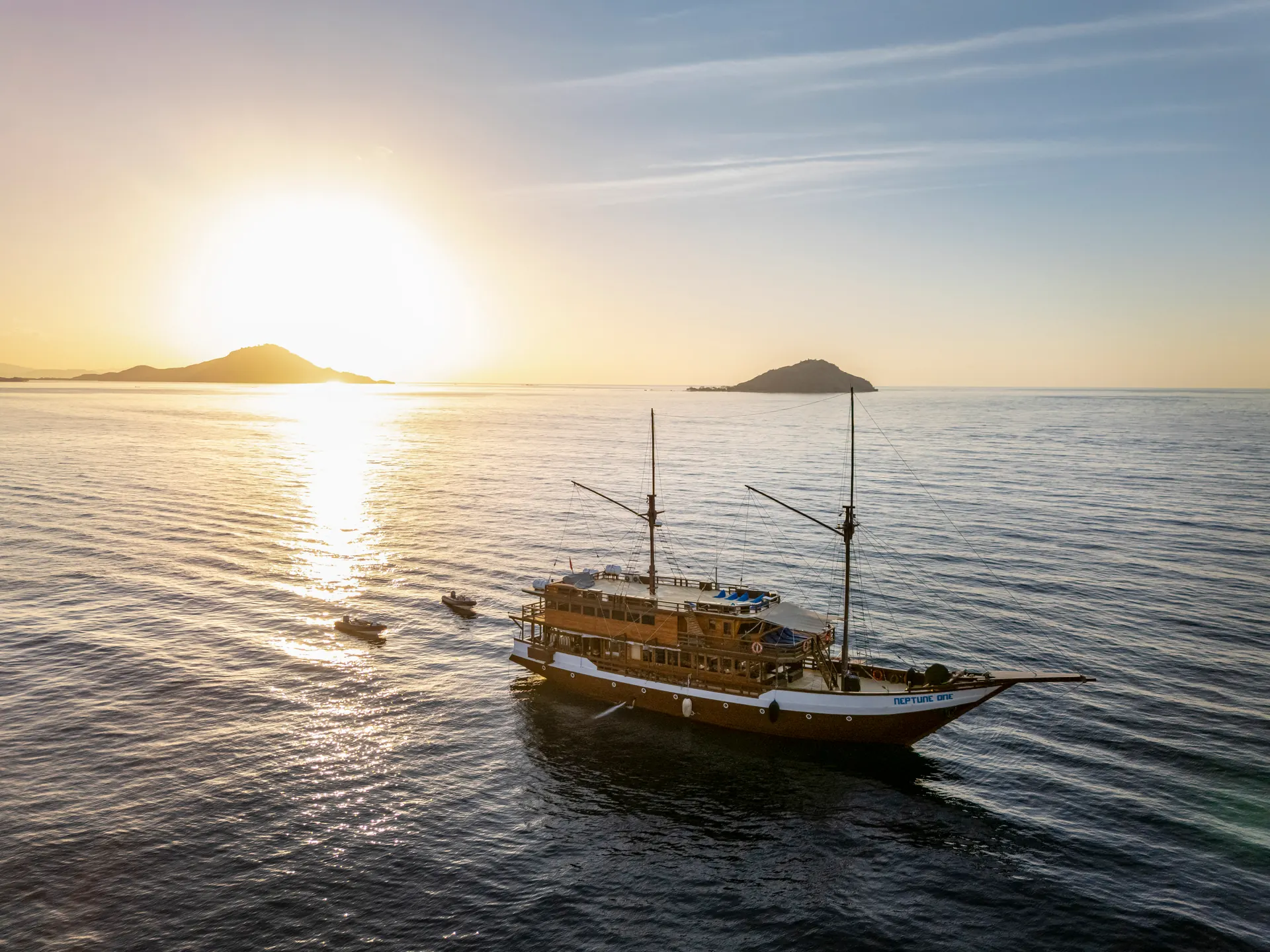
Neptune One
Our traditional phinisi, fully renovated in 2025. Neptune One sails the widest range of our routes, including Raja Ampat, Komodo, the Banda Sea, Alor, Wakatobi, Triton Bay and our Bali to Komodo crossing, and her two balcony cabins are the most spacious on board.
See cabins and departures →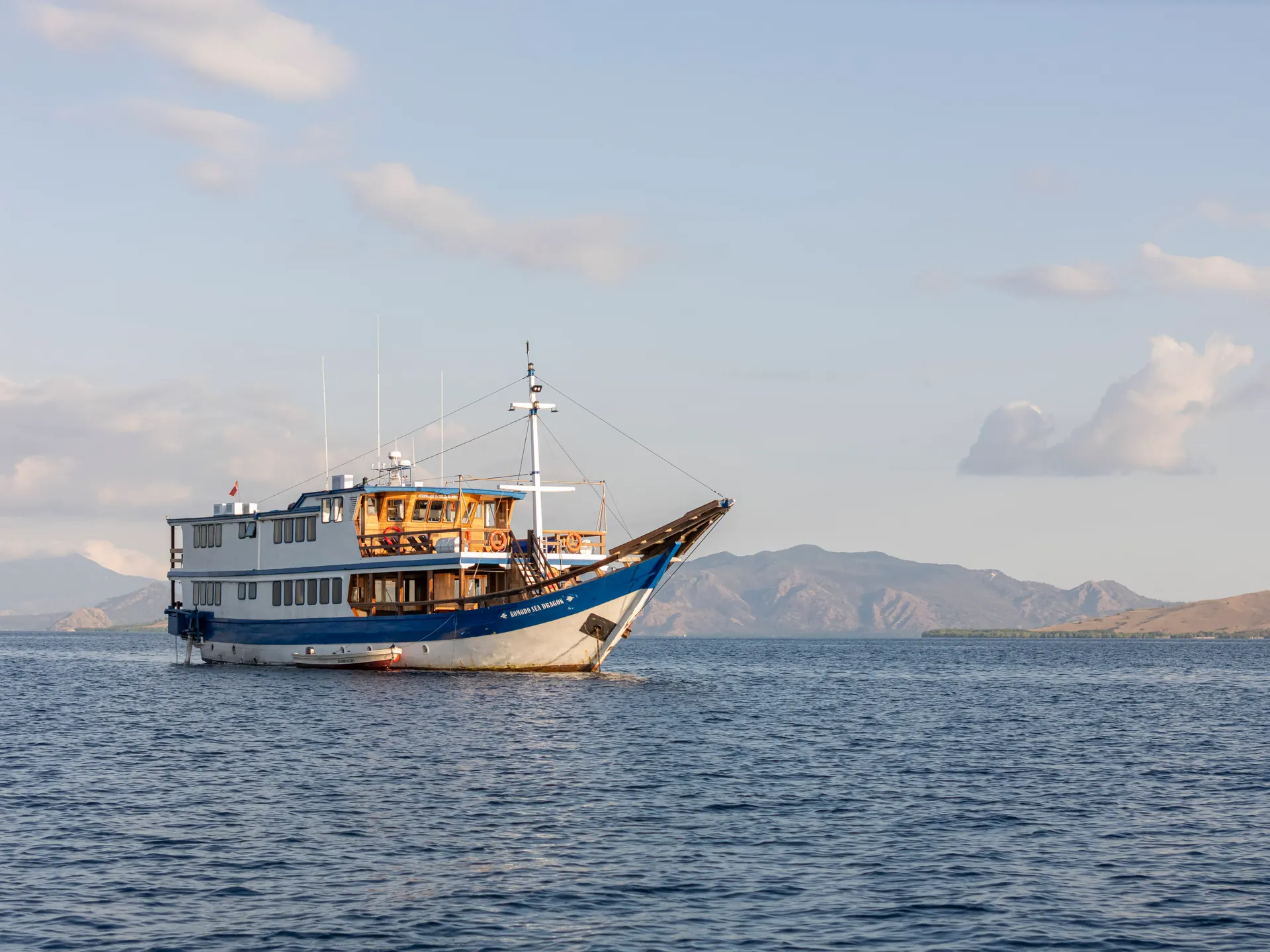
Komodo Sea Dragon
Our Komodo specialist, based in Labuan Bajo all year. With only 12 guests, Komodo Sea Dragon runs our 5 to 8 night Komodo National Park trips, timing each dive to the tides at the park's best sites, with furnished private balconies in her double cabins.
See cabins and departures →How do you get to an Indonesian liveaboard?
Every Indonesian liveaboard starts from a regional airport town, reached by a domestic flight from Bali or Jakarta. Neptune boats collect guests at the airport or local hotels before 12:00 on the first day and drop them off by 10:00 on the last.
| Destination | Departure town | Airport | Usual connection |
|---|---|---|---|
| Komodo | Labuan Bajo | Komodo Airport (LBJ) | Direct from Bali and Jakarta |
| Raja Ampat | Sorong | Domine Eduard Osok (SOQ) | Via Jakarta, Makassar or Manado |
| Banda Sea | Ambon | Pattimura (AMQ) | Direct from Jakarta, or via Makassar |
| Alor | Kalabahi | Mali (ARD) | Via Kupang |
| Wakatobi | Bau-Bau | Betoambari (BUW) | Via Makassar |
| Triton Bay | Kaimana | Utarom (KNG) | Via Ambon or Sorong |
| Halmahera | Ternate | Sultan Babullah (TTE) | Via Jakarta, Manado or Makassar |
| Sumbawa crossing | Bali to Labuan Bajo | Ngurah Rai (DPS) | International flights to Bali |
Plan to arrive the day before departure, especially for routes that start in Alor, Kaimana or Bau-Bau, where there are only one or two flights a day. Point-to-point trips start and end in different towns, so book an open-jaw ticket. Leave at least 24 hours between the last dive and the flight home, as explained in flying after scuba diving, and check the 2026 e-visa rules before travelling.
Departure towns and airports may change, and this table is for information only. The confirmed departure and return details for each trip are provided during the booking process.
What experience do you need for a liveaboard in Indonesia?
Advanced Open Water certification with a minimum of 25 logged dives is recommended for every Indonesian liveaboard destination. Currents, depth and remote locations far from medical help make prior experience important, even in regions with generally calm conditions.
| Destination | Recommended level | Typical conditions |
|---|---|---|
| Wakatobi | Advanced, 25+ logged dives | Gentle currents, clear walls |
| Sumbawa crossing | Advanced, 25+ logged dives | Mixed, some current at Gili Banta |
| Triton Bay | Advanced, 25+ logged dives | Mild currents, lower visibility |
| Banda Sea | Advanced, 25+ logged dives | Calm walls, deep blue-water hammerhead dives |
| Raja Ampat | Advanced, 25+ logged dives | Strong currents in the Dampier Strait |
| Halmahera | Advanced, 25+ logged dives | Strong drifts in the Patinti Strait |
| Komodo | Advanced, 25+ logged dives | Strong currents and down-currents |
| Alor | Advanced, 25+ logged dives | Strong currents and cold thermoclines |
Divers short of the recommended experience can build it before the trip. The Advanced Open Water course in Komodo and the Advanced course in Bali both include a deep and a navigation dive, and the Enriched Air Diver course qualifies you to use the Nitrox carried on Neptune boats.
What park fees apply to Indonesian liveaboards?
Komodo and Raja Ampat charge the best known park fees: IDR 250,000 per day in Komodo for foreign visitors, and a Raja Ampat Marine Park Fee of IDR 1,000,000 valid for 12 months. Other regions have smaller local charges.
| Area | Amount | Notes |
|---|---|---|
| Komodo National Park | IDR 250,000 per day, plus IDR 25,000 per diving day | Government Regulation No. 36 of 2024; daily quota of 1,000 visitors from April 2026 |
| Raja Ampat | IDR 1,000,000 Marine Park Fee, plus a per-visit regency ticket | The park fee is valid for 12 months; children under 12 are exempt |
| Banda Sea, Alor, Wakatobi, Triton Bay, Halmahera | Local or park charges | Usually small and collected by the boat |
Park fees are normally paid on top of the cruise price. The boat collects them and handles the paperwork, including Komodo's SiOra booking system. Full details are in the Komodo and Raja Ampat guides.
All amounts are subject to change without notice, as fees are set by local governments and park authorities.
Indonesia liveaboard FAQs
What is the best liveaboard destination in Indonesia?
Raja Ampat has the greatest marine diversity, Komodo the most exciting currents and mantas, and the Banda Sea the hammerheads. The best choice depends on the month you travel and your experience.
When is the best time for a liveaboard in Indonesia?
There is a good destination in every month. Raja Ampat is best from October to April, Komodo from April to November and the Banda Sea from late September to early November.
How long should an Indonesian liveaboard be?
Seven nights is the most common length. Komodo can be covered in 5 to 8 nights, while Raja Ampat and point-to-point routes usually take 8 to 11 nights.
Where do Indonesian liveaboards depart from?
The main ports are Labuan Bajo for Komodo, Sorong for Raja Ampat and Ambon for the Banda Sea. Other routes use Kalabahi, Bau-Bau, Kaimana, Ternate or Bali.
Do I need to be an advanced diver for an Indonesian liveaboard?
Advanced Open Water certification with a minimum of 25 logged dives is recommended for all Indonesian liveaboard destinations.
Can I combine two destinations on one trip?
Yes. Point-to-point routes such as Komodo to Alor, Alor to the Banda Sea or Triton Bay to Raja Ampat combine two regions in 9 to 11 nights.
How many dives are there per day on an Indonesian liveaboard?
Usually three or four, including some night dives. A 7-night trip typically includes 18 to 23 dives.
Is Nitrox available on Neptune liveaboards?
Yes. Nitrox is included on King Neptune, and Neptune One has its own Nitrox membrane system on board.
Which Neptune boats operate in Indonesia?
Neptune operates King Neptune, Neptune One and Komodo Sea Dragon. The first two sail across eastern Indonesia; Komodo Sea Dragon stays in Komodo.
Are park fees included in the liveaboard price?
Park fees are usually paid separately. Komodo charges IDR 250,000 per day for foreign visitors and Raja Ampat a IDR 1,000,000 Marine Park Fee.
Further reading
Sources
Photo credits
- komodo padar island viewpoint by Jakub Hałun, CC BY 4.0, via Wikimedia Commons
- wayag karst islands by Rolandandika, CC BY-SA 4.0, via Wikimedia Commons
- gunung api volcano by gbohne from Berlin, Germany, CC BY-SA 2.0, via Wikimedia Commons
- pura island clear water by Sims8899, CC BY-SA 4.0, via Wikimedia Commons
- wakatobi beach by Jenny from Taipei, CC BY 2.0, via Wikimedia Commons
- triton bay karst lagoon by Jebulon92, CC BY-SA 4.0, via Wikimedia Commons
- ternate tidore sunset by Thiobedda, CC BY-SA 4.0, via Wikimedia Commons
- sangeang api from sea by Jhnhp, CC BY-SA 4.0, via Wikimedia Commons
Schedule and fees checked: October 2026
GET IN TOUCH
Join more than
1,000+ monthly guests
From all around the world visiting us for Scuba Diving, PADI Courses, Snorkeling, and Freediving.