
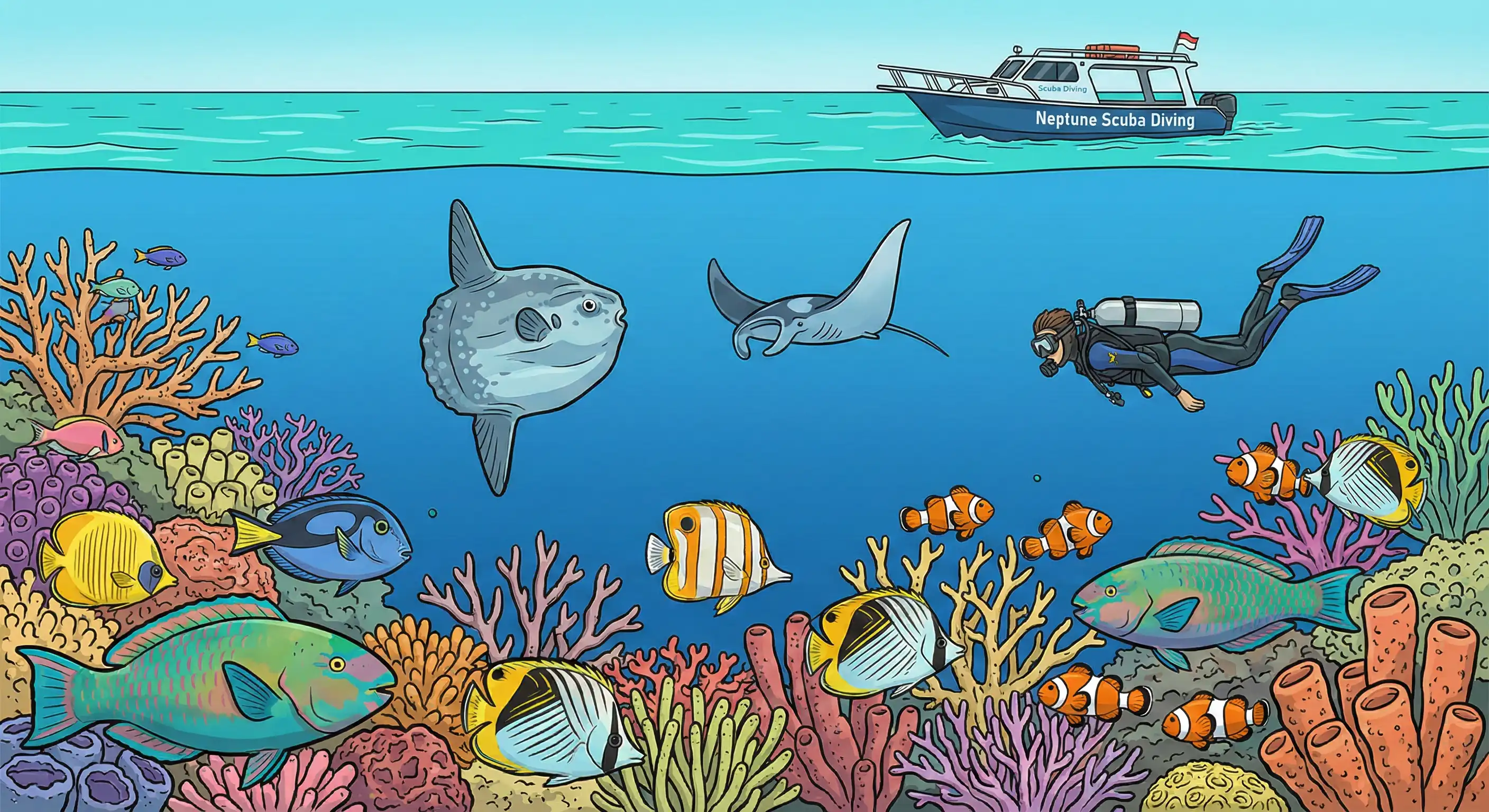
Bali has coral reefs, open ocean, and coastal environments that are home to more than 1,300 fish species. This makes it one of the most biodiverse marine locations in Southeast Asia. There are a lot of different types of fish in Bali, from common tropical fish like clownfish and angelfish to rare endemic species that can't be found anywhere else on Earth.
This article talks about the main types of fish that may be found in Bali's waterways, from shallow reefs to deep oceans. The information is useful for visitors who want to go diving, snorkelers who want to see marine life up close, and hotel owners who want to teach their guests about the local marine species. Knowing about the many kinds of fish in Bali affects how you organize your trip, where you dive, and how good your marine encounters will be overall.
Bali has three primary types of fish: reef fish (including clownfish, parrotfish, angelfish, and wrasses), pelagic species (such manta rays, mola mola sunfish, and reef sharks), and indigenous kinds (like frogfish, Bali sardinella, and distinctive dottybacks). Most people who go diving will see between 50 and 100 different species.
What you’ll gain from this guide:
- Identification skills for Bali’s most common and sought-after fish species
- Best places and seasonal timing for specific marine life encounters
- Safety considerations for swimming near potentially dangerous species
- Photography strategies for capturing beautiful tropical fish
- Location comparisons to match dive sites with your interests and skill level
Understanding Bali’s Marine Ecosystem
Bali's marine environment is a transition zone between the Indian Ocean and the Pacific Ocean, which makes it possible for a wide range of fish to live there. Because of where it is, Bali's seas are home to species from both ocean basins, including hybrids and populations that are only found in a few other places in the world.
Coral Triangle Location
Bali is in the Coral Triangle, which is the most biodiverse marine area in the world. It includes Indonesia, Malaysia, the Philippines, Papua New Guinea, Timor-Leste, and the Solomon Islands. This area has 76% of all coral species in the globe and the most reef fish of any place on Earth.
Because of its location in the Coral Triangle, Bali's coral reefs are home to about 1,312 fish species, which is similar to famous places like Raja Ampat and the Great Barrier Reef. The Coral Fish Diversity Index is a tool that scientists use to check the health of reefs here. It looks at six indicator families that together show how rich the ecosystem is as a whole. With a score of 337, Bali is a global biodiversity hotspot.
Habitat Diversity
Bali has a lot of different maritime environments that are not too far apart. Coral reefs cover most of the northern and eastern coasts around Tulamben and Amed. Volcanic sand slopes, on the other hand, produce unique ecosystems that are home to species that are not usually found on reefs. Pelagic visitors from deep ocean waters come to Nusa Penida because of the severe drop-offs.
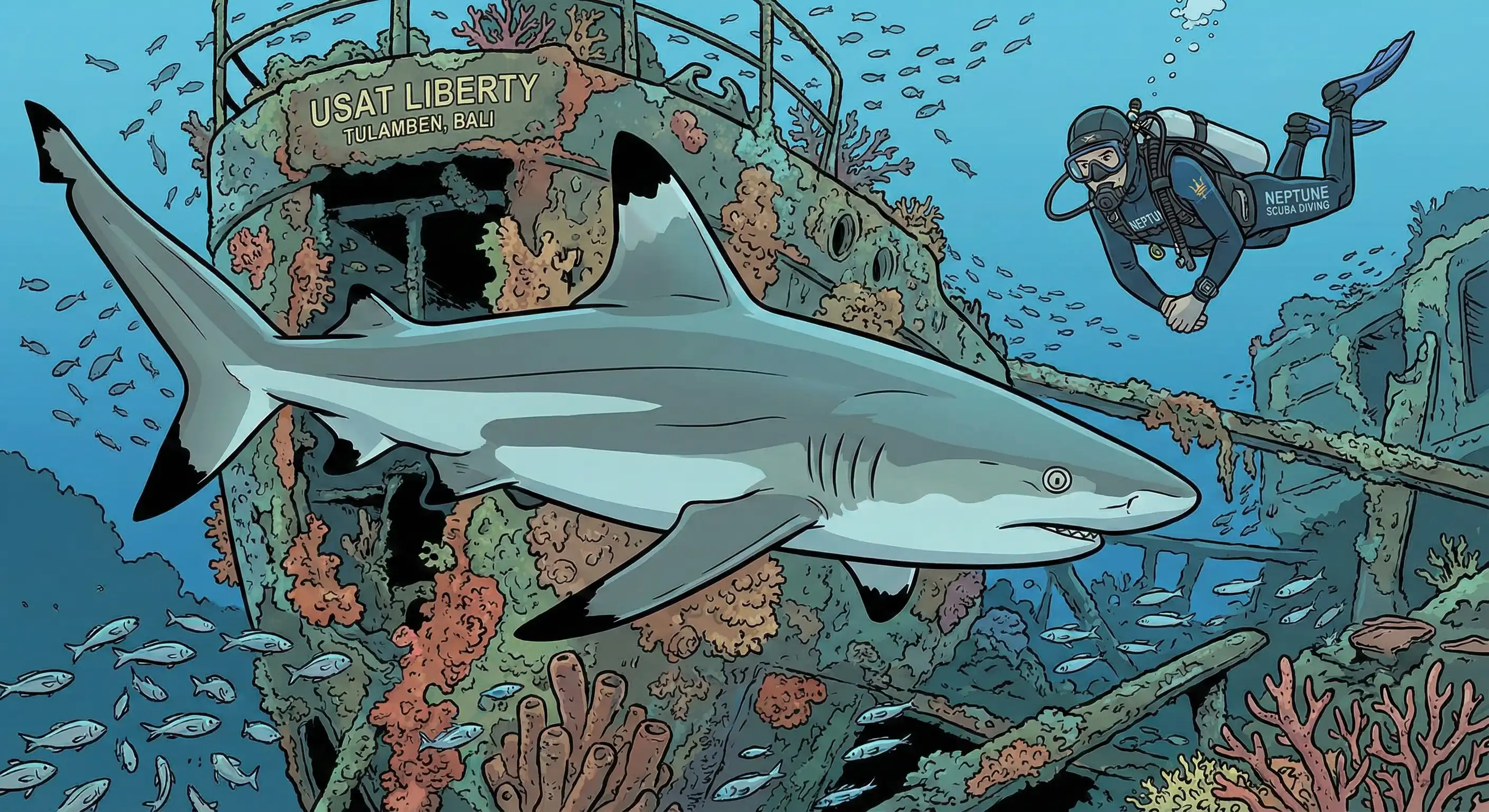
Gobies, jawfish, and sea moths do well in sand and rubble zones, which are different from reef structures. The USAT Liberty wreck site in Tulamben is an artificial reef that is home to more than 400 fish species. This range of habitats means that divers can see very diverse groups of fish by just moving to a different dive site, even on the same day.
Visitors can choose places that are right for their goal species and ability level if they know how environments affect fish distribution.
Major Fish Categories in Bali Waters
Bali's diverse habitats lead to several types of fish, each with its own behaviors, looks, and viewing needs. Visitors can set reasonable expectations and choose the best dive spots by knowing these groups.
Reef Fish Species
Reef fish always live near coral reefs, where they find refuge, food, and places to breed. Most of the fish you see while diving or snorkeling in Bali are these kinds.
Dominant reef fish families in Bali:
- Wrasses (Labridae): 114 species, the largest family—includes colorful cleaner wrasses and ornate reef dwellers
- Damselfishes (Pomacentridae): 96 species including clownfish (the famous “Nemo”), chromis, and azure damselfish
- Gobies (Gobiidae): 84 species occupying cryptic habitats in sand, rubble, and coral crevices
- Cardinalfishes (Apogonidae): 59 species forming nocturnal aggregations in sheltered areas
- Groupers (Serranidae): 54 species ranging from small reef dwellers to large predator species
- Butterflyfishes (Chaetodontidae): 43 species, often seen in pair swimming along reef walls
- Surgeonfishes (Acanthuridae): 39 species critical for algae control on healthy reefs
Territorial damselfishes, which are sedentary reef species, stay near to certain coral heads. Parrotfish and surgeonfishes, on the other hand, are mobile species that move about reef zones eating algae and invertebrates.
Pelagic Fish Species
Pelagic fish live in open water columns instead of on reefs. They only go to the coast when currents bring nutrient-rich waters near to shore. These animals are what make Bali famous for its "big animal" experiences.
Key pelagic species in Bali:
- Manta rays (Manta birostris): Wingspan reaching 7 meters, regular visitors to Nusa Penida cleaning stations
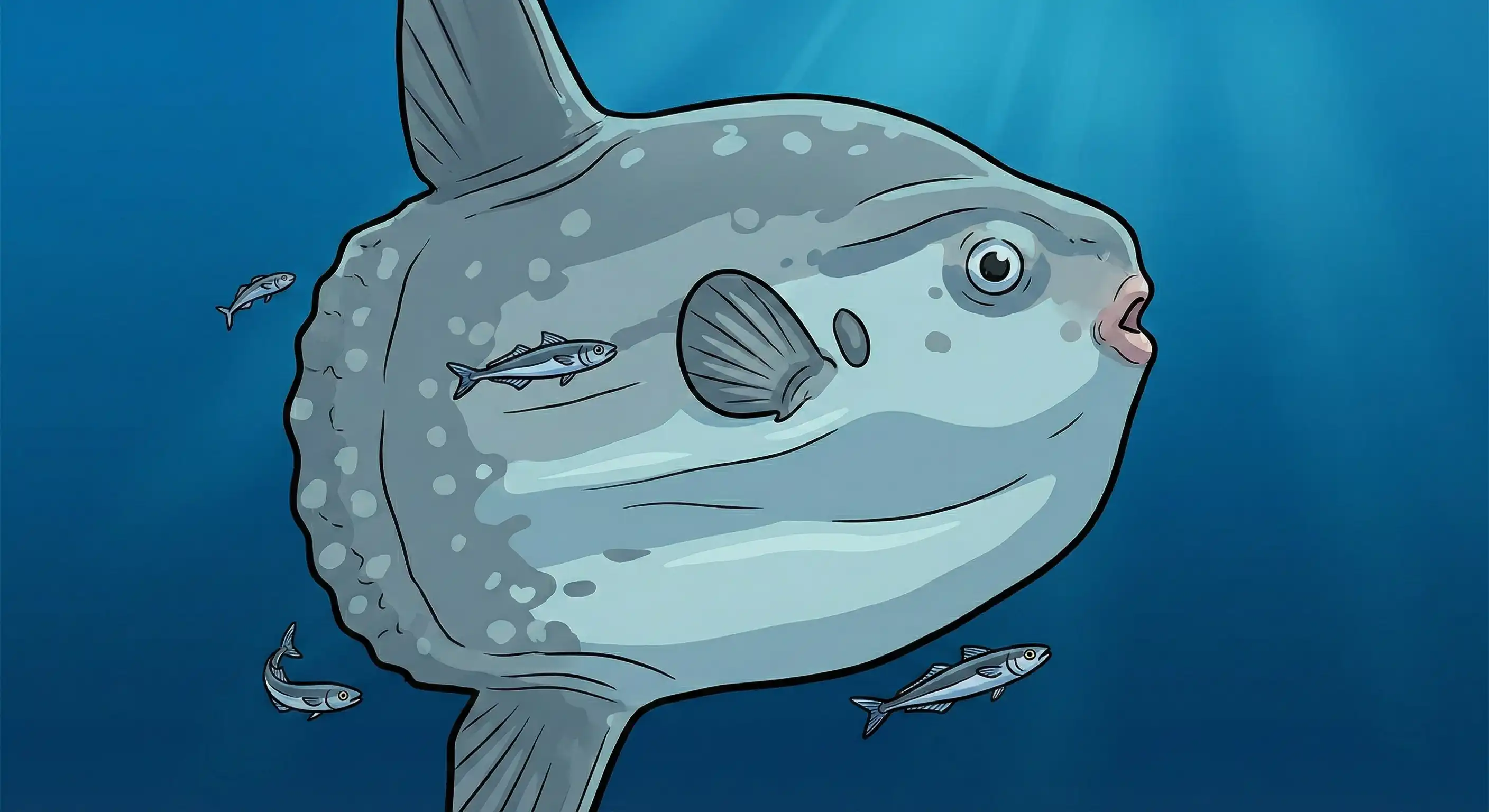
- Mola mola sunfish: Massive ocean sunfish appearing July-October at Nusa Penida’s Crystal Bay
- Whale sharks (Rhincodon typus): Occasional visitors, world’s largest fish species
- Reef sharks: Blacktip and whitetip species common around Nusa Penida and Menjangan Island
- Barracuda and trevally: Schooling predators forming dramatic walls of fish at current-swept sites
The availability of pelagic fish is affected by seasonal migration patterns. Manta rays are present throughout the year, but they are most common during plankton blooms. During the dry season, when thermoclines rise, mola mola come up from deep water. Planning travels around these patterns greatly raises the chances of running into someone.
Endemic and Rare Species
Bali's biogeographic location gives rise to endemic species, fish that are only found in this area, as well as populations that are at the edge of their Indian Ocean or Pacific ranges.
Notable endemic and rare species:
- Frogfish (Antennariidae): Masters of camouflage blending into sponges and coral, prized by photographers
- Pseudochromids (dottybacks): Several species endemic to Bali and Nusa Penida only
- Narcine baliensis: Electric ray endemic to Bali, distinguished by unique disc shape
- Ghost pipefish (Solenostomidae): Delicate relatives of seahorses, extremely well camouflaged
- Nudibranchs: Technically invertebrates, but commonly sought alongside rare fish
The aquarium trade and habitat loss put a lot of strain on many kinds of fish in Bali. To see camouflaged people against complex settings, you typically need professional guides who know certain environments and how to locate them.
These unusual species are directly related to the identification problems that will be discussed in the next sections.
Popular Fish Species for Divers and Snorkelers
Learning how to identify fish makes random interactions with wildlife in the water more meaningful. The following species are Bali's most popular marine animals. They were chosen because they are easy to see, look good in photos, and are likely to be seen in real life.
Top 10 Must-See Species Identification Guide
Use this guide underwater or when reviewing dive photos to confirm species identification.
- Manta Ray – Black or white dorsal surface, distinctive “cephalic fins” flanking the head, wingspan 3-7 meters. Behavior: circling cleaning stations, filter feeding with open mouths. Safety: harmless, but maintain 3-meter distance to avoid disturbing feeding patterns.
- Mola Mola (Ocean Sunfish) – Massive oval body without true tail, distinctive dorsal and anal fins, silver-gray coloring. Behavior: slow swimming, often tilted, rising from deep waters to cleaning stations. Safety: harmless but easily spooked; approach slowly without bubbles.
- Clownfish (Nemo) – Orange body with white vertical stripes lined in black, always associated with host anemones. Behavior: aggressive territorial defense, darting at perceived threats. Safety: anemone tentacles contain mild venom; avoid contact.
- Parrotfish – Beak-like fused teeth, bright colors varying by species and life stage, robust body. Behavior: grazing on coral, creating sand through bioerosion. Safety: harmless; watch for rapid escape movements.
- Triggerfish – Pronounced dorsal spine, often striped or patterned, wedge-shaped body. Behavior: territorial during nesting—aggressive toward divers. Safety: Titan triggerfish particularly dangerous; swim horizontally away from nest zone, not upward.
- Angelfish – Disc-shaped body, often with striking color patterns, small mouth. Behavior: generally calm swimming along reef walls. Safety: harmless; approach slowly for photography.
- Surgeonfish (Dory) – Oval body, scalpel-like spines near tail base, often blue or yellow coloring. Behavior: schooling, grazing on algae films. Safety: sharp tail spines capable of cutting if handled; observe only.
- Frogfish – Lumpy body texture, leg-like pectoral fins, fishing lure (esca) above mouth. Behavior: motionless ambush predator relying on camouflage. Safety: harmless but difficult to spot; rely on guide pointing.
- Reef Sharks (Blacktip/Whitetip) – Streamlined body, distinctive fin markings, typically 1-2 meters length. Behavior: patrolling reef edges, resting in caves during day. Safety: generally avoid humans; stay calm, avoid erratic movements.
- Lionfish – Elaborate striped fins with venomous dorsal spines, slow deliberate swimming. Behavior: predatory, often hovering motionless. Safety: venom causes severe pain; maintain distance, never touch.
Best Viewing Locations Comparison
| Location | Fish Types | Best Season | Skill Level | Special Notes |
|---|---|---|---|---|
| Nusa Penida | Manta rays, mola mola, reef sharks | Jul-Oct (mola); year-round (manta) | Intermediate-Advanced | Strong currents common; boat access required |
| Tulamben | Wreck fish community, frogfish, nudibranchs | Year-round | Beginner-Advanced | Shore diving available; USAT Liberty wreck hosts 400+ species |
| Amed | Oriental sweetlips, garden eels, macro life | Year-round | Beginner-Intermediate | Calm conditions; good for photography |
| Menjangan Island | Pristine reef fish, sharks, sea fans | Apr-Nov | All levels | National park; diverse marine life |
| Padang Bai | Blue Lagoon reef fish, sharks, turtles | Year-round | Beginner-Intermediate | Easy access from south Bali |
| Crystal Bay | Mola mola, turtles, reef fish | Jul-Oct | Intermediate-Advanced | Early morning best for sunfish |
| Gili Islands (Lombok) | Turtles, reef sharks, beautiful tropical fish | Year-round | All levels | Short boat ride from Bali |
Choosing where to go: If you want to see a lot of different marine life, go to Tulamben or Menjangan Island. If you want to see manta rays and mola mola in their natural habitat, make sure you visit Nusa Penida sites during the right seasons. Amed and Padang Bai are great places for beginners to catch reef fish in calm, shallow waters with no strong currents.
Knowing what makes a place unique helps visitors deal with frequent viewing problems.
Common Challenges and Solutions for Fish Spotting
Even trips on the water that are well-planned can run into problems. By taking care of these typical problems, you can have profitable fish encounters in many situations.
Seasonal Availability Issues
Solution: Plan excursions around calendars that are special to each species and choose other targets to visit during the off-season.
Mola mola show up between July and October when the waters are chilly and full of nutrients. Outside this window, the same places have lots of manta rays, reef sharks Bali, and turtles. Most places still have Oriental sweetlips, parrotfish, and other types of fish all year long. During the warmer months (November to March), the number of dolphins and pelagic schools goes up.
Backup plan: Always look into the secondary species that will be around when you visit. If sunfish stay deep, a trip in July to see mola mola should also be ready for encounters with manta rays at neighboring spots.
Location Access and Conditions
Solution: Make reservations for boats and transportation ahead of time, especially for isolated locations that need certain departures.
To go to Nusa Penida from Bali, you have to take a boat for 45 to 60 minutes. Most boats leave from Sanur or Padang Bai before 8 a.m. During the monsoon season (December to February), events can be canceled because of the weather. To get to Menjangan Island, you need to go by land for three hours and then by boat.
Local dive operators with established boats offer safer and more reliable access than makeshift ones. Before you book, make sure the operator has the right certifications, insurance, and safety gear. Operators that know how to drift dive are needed at places like Crystal Bay and Nusa Penida drop-offs where the currents are strong.
Species Identification Difficulties
Solution: Buy underwater photography equipment and use field guides made for Indonesia's marine fauna.
Taking pictures of fish after diving lets you identify them when you can't see them underwater. Compact cameras that can take macro shots record details for subsequent study. A number of mobile apps now use photo recognition technology to identify fish in real time.
For on-site reference, "A Diver's Guide to Reef Life" and "Reef Fish Identification: Tropical Pacific" (Allen/Steene) are good books. The iNaturalist mobile app can also help with community-assisted identification. A lot of Bali dive companies have species checklists for the sites they go to all the time.
These useful tips get visitors ready for successful marine encounters in Bali's many different situations.
Conclusion and Next Steps
There are more than 1,300 different types of fish in Bali, and they live in coral reefs, open water, and places that are only found in Bali. Wrasses, damselfishes, groupers, and butterflyfishes are the most common reef fish families that people see every day. Manta rays and mola mola are seasonal pelagic visitors that make unique experiences that attract divers from all over the world. Endemic species and biogeographic transitional forms add scientific and photographic value that can't be found anywhere else.
Immediate action steps:
- Select dive operators certified by PADI or SSI with documented experience at target locations
- Book trips during appropriate seasons for priority species (July-October for mola mola, year-round for mantas)
- Download identification apps and purchase field guides before departure
- Arrange Nusa Penida boat transfers 1-2 weeks ahead during peak season
- Complete dive certifications if targeting intermediate-advanced sites
Things that are related to this: Advanced diving certificates let you get to deeper places with strong currents where uncommon creatures gather. Underwater photography classes help you get the most out of your interactions. Marine conservation volunteering activities help conserve the reef ecosystems that support this diversity.
For people who own hotels and restaurants: Teaching guests about the different types of fish in the area makes excursions more valuable and encourages responsible marine contact. To set the right expectations, think about giving passengers laminated species guides, working with dive operators that care about conservation, and telling them about the seasons of different species.
Additional Resources
Field Guides:
- “Reef Fish Identification: Tropical Pacific” – comprehensive Indonesia coverage
- “Nudibranchs of the Coral Triangle” – specialized invertebrate reference
- Bali Marine Rapid Assessment Program species lists – scientific documentation
Mobile Applications:
- iNaturalist – community identification assistance
- Fish ID Pacific – offline species database
- Dive Log apps with species tracking features
Conservation Organizations:
- Coral Triangle Initiative – regional marine protection
- Nusa Penida Marine Protected Area – local conservation efforts
- Project AWARE – diver-focused ocean protection
Operator Requirements:
- Verify PADI/SSI certification for all guides
- Confirm liability insurance coverage
- Check boat safety equipment including oxygen and first aid
- Request experience documentation for advanced sites like Crystal Bay and Nusa Penida channels
These resources support continued learning and responsible engagement with Bali’s remarkable marine life.