Komodo dive site guide
Tatawa Besar
Tatawa Besar is one of Komodo’s most approachable drift dives: a shallow ribbon of reef where gentle current carries you over gardens of hard and soft coral, with room for both wide-angle scenery and slow macro exploration. This guide covers what you will see underwater, who the site suits—including snorkelers—and how it fits into a typical day boating from Labuan Bajo.
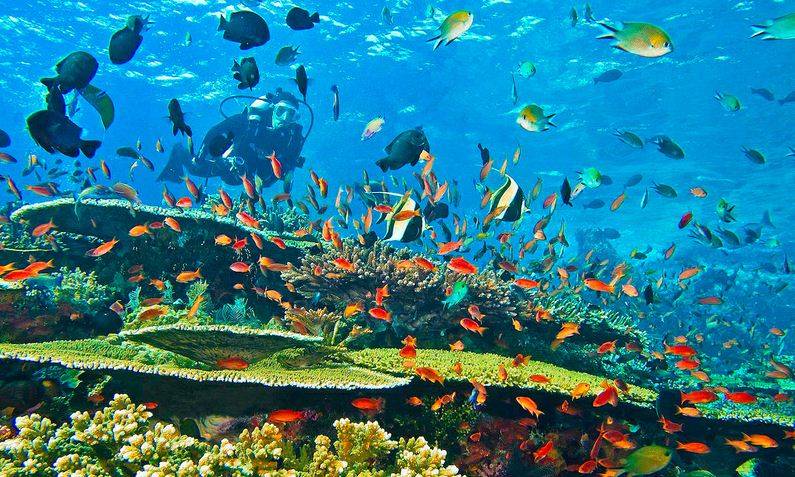
Overview: shallow drift over coral gardens

Tatawa Besar lies in the cluster of small islands and reefs northwest of Komodo Island, in water that is often clear enough to read the reef texture from the surface on a calm day. The site is usually experienced as a relaxed drift: you enter up-current, settle into neutral buoyancy, and let the tide do most of the horizontal work while you steer along a slope or plateau rich in coral cover.
Unlike steep pinnacles that demand constant vertical management, much of the attraction here is horizontal scenery—patches of staghorn and table coral, bommies dressed in soft corals, and sandy cuts where small animals hide. Depth is typically modest by Komodo standards; many divers spend most of the profile in the shallow to mid-teens in metres, which keeps bottom times comfortable and leaves plenty of light for photography.
The “Besar” (large) in the name distinguishes this site from nearby Tatawa Kecil, a separate reef with its own personality. Visitors often pair the two on the same boat day, but Tatawa Besar is the one most often described as a gentle introduction to Komodo’s drift diving—less about adrenaline, more about color, texture, and unhurried movement over the reef.
Marine life: macro, reef fish, and coral

While Komodo is famous for big-fish drama at exposed sites, Tatawa Besar rewards divers who slow down and look closely. Nudibranchs in varied shapes and colors are common on rubble and coral heads; bring a macro lens or a magnifying eye and you will often find several species in a single dive.
Leaf scorpionfish and other well-camouflaged hunters blend into the substrate, so guides sometimes point them out rather than expecting casual passers-by to spot every one. Shrimps, small crabs, and occasional frogfish or similar “critters” turn up depending on season and luck—this is classic muck-and-reef mixed habitat rather than a single-species showcase.
In the water column, expect anthias, butterflyfish, and other typical Indo-Pacific reef residents schooling above the coral. The overall picture is a healthy reef mosaic: hard coral structure providing shelter, soft corals adding movement and color, and enough fish traffic to keep wide-angle shooters interested between macro stops. It is the kind of site where both disciplines feel at home if you plan gas and time for two speeds of exploration.
Dive conditions and who it suits
Current at Tatawa Besar is usually described as moderate and manageable— enough to qualify as a drift dive, but rarely the ripping, unpredictable flow associated with Komodo’s famous pinnacles. That makes it a frequent choice for newer certified divers who already have basic comfort in moving water, as well as for refresher dives after a long surface interval.
Buoyancy control still matters: you will glide past coral close enough to appreciate detail, so efficient finning and horizontal trim help protect the reef and your own comfort. Guides typically brief entry points, expected direction of drift, and procedures for regrouping on the surface—standard practice for any Komodo drift, but executed here with a calmer tone than at the park’s most advanced sites.
Always match the site to your recent experience and local advice on the day. Conditions vary with tide and wider weather; what feels easy one morning may be skipped or substituted if the crew judges water movement too strong. Listening to the briefing and staying with the group are the reliable constants.
Snorkeling at Tatawa Besar
Snorkelers are not an afterthought here. The reef rises toward the surface in places, and on settled seas the upper few metres can be vibrant with light, fish, and coral shapes visible from above. A slow drift with fins and mask can mirror much of what divers enjoy on the slope—without the profile planning, but with the same need for situational awareness around boats and other water users.
For snorkeling to be enjoyable, surface conditions matter: wind chop, swell, and current on the top few metres affect comfort more than they do for divers who spend most of the time below the wave action. Calm mornings in the dry season often deliver the clearest combination of visibility and relaxed floating.
If you snorkel from a day boat, follow the guide’s instructions on where to enter, how far to stray from the vessel, and how to signal if you need assistance. Wearing a visible surface marker where local rules allow, and staying aware of zodiac traffic, keeps the experience safe as well as scenic.
Best time to dive
Komodo’s dry season, broadly from April through November, is when many travelers schedule liveaboards and day boats for calmer seas and more predictable surface conditions. Visibility on reef sites like Tatawa Besar often peaks in that window, though any given week can still bring rain or chop.
The wet season can still produce excellent underwater days; plankton may reduce clarity on some dives but can also attract filter-feeders. For Tatawa Besar specifically, the decisive factor on any date is usually tide-related water movement rather than the calendar alone—local crews combine tide tables with recent observations when they plan the route.
If Tatawa Besar is a priority on your trip, allow several days in Labuan Bajo or on a liveaboard so you have flexibility if one morning looks rough. That buffer is standard advice for Komodo itineraries and applies as much to easy drifts as to advanced sites.
Getting there and what to expect
Nearly all visits start from Labuan Bajo on Flores, reachable by air from major Indonesian hubs. From town, divers and snorkelers transfer to a speed boat or day boat operated by their chosen organization; Tatawa Besar is reached by sea inside Komodo National Park, not from shore.
A typical park day includes multiple sites; Tatawa Besar might appear as a mid-morning or afternoon dive after a crossing from Labuan Bajo or between other central locations. Expect an early start, equipment checks, thorough briefings, and surface intervals on the vessel with time to hydrate and log dives—Komodo days are full, and pacing matters as much as any single reef.
Liveaboard itineraries also include this region on multi-day Komodo circuits. Whether you are on a day trip or a longer cruise, the shared pattern is organized boat access, respect for park regulations, and a focus on safe group diving in dynamic tropical seas. Tatawa Besar fits naturally into that rhythm as a colorful, lower-stress drift between more demanding sites—or as a rewarding destination in its own right for those who prefer gentle water over sheer adrenaline.
Preguntas Frecuentes
Mas sitios de buceo en Komodo



Únete a más de
1,000+ huéspedes al mes
De todo el mundo nos visitan para buceo, cursos PADI, snorkel y apnea.