Komodo travel guide
Tour de l'Île de Komodo
A Komodo Island tour is how most visitors experience Komodo National Park: boat days that link wildlife walks, viewpoint hikes, pink-sand beaches, and some of Indonesia’s richest reefs. This 2026 guide covers when to go, how to reach Labuan Bajo, how tours and charters work, where to stay (from hostels to resorts such as Komodo Resort on Sebayur), liveaboard alternatives, iconic land sights, and what to expect underwater—so you can plan dates, budget, and pace with confidence.
Best time to visit Komodo Island

Komodo and the surrounding Flores–Komodo archipelago sit in the tropics, with warm air temperatures year-round—typically roughly 79–86°F (26–30°C). What changes is rainfall, sea state, and crowds. The dry season, often cited from April through November, brings more predictable sunshine and calmer seas for boat crossings, snorkeling, and trekking. That window is widely considered the most comfortable for park logistics and wide-angle underwater visibility, though local weather still varies by week.
The wet season usually intensifies from late December through February and into early March. Rain is not constant, but when systems move through, rough water can delay or cancel boat itineraries—something to weigh if your schedule is tight. Peak visitor months often align with June–August and major holiday periods; shoulder months such as April, May, September, or October can balance decent conditions with fewer boats at popular stops. For wildlife, dragons are present year-round; ranger policies and trail access—not season alone—determine what you see on a given day.
Getting to Komodo — flying into Labuan Bajo

Labuan Bajo on Flores is the main gateway to Komodo National Park: a harbor town with Komodo Airport (LBJ) and the embarkation point for most day boats and charters. Direct and connecting flights operate from hubs such as Bali (Denpasar) and Jakarta; additional routes may link smaller eastern Indonesian cities depending on the season and carrier. Flight time from Bali is often around an hour, which is why many travelers pair Bali with a Komodo segment.
Airlines serving the route commonly include carriers such as AirAsia, Batik Air, Citilink, and Lion Air, among others. Schedules can shift, and delays are not uncommon—build buffer between international connections and your first boat day. After landing, transfers reach the waterfront or your accommodation by taxi or pre-arranged pickup; from there, park visits are almost always by sea, with permits and fees handled according to current national park rules.
Tour packages and private charters

Komodo itineraries generally fall into shared day trips, private speedboat charters, or multi-day liveaboards (covered below). Shared tours group travelers on a fixed route—often Komodo or Rinca for dragons, Padar for the viewpoint, and a beach or snorkel stop—while charters let you adjust timing, pace, and the number of sites visited in one day. Charters cost more but reduce waiting and can prioritize photography, slower snorkeling, or extra time at manta-friendly sites when conditions allow.
Operators are concentrated in Labuan Bajo; many hotels and resorts also arrange excursions for guests. Regardless of channel, confirm what is included: park entry fees, meals, drinking water, snorkeling gear, guide languages, and the exact island sequence. During high season, popular boats fill early—locking in dates once flights are booked is prudent. Private speedboat itineraries often aim for several signature stops in one long day; always verify weather contingencies in writing so expectations match reality if the sea turns rough.
Accommodations — hotels, resorts, and hostels

Labuan Bajo offers hostels, guesthouses, mid-range hotels, and higher-end waterfront properties—choices have expanded rapidly as tourism has grown. Budget travelers often stay in town for walkable restaurants and easy morning pier pickups; those seeking quieter nights sometimes choose properties slightly outside the center. Many lodgings can arrange or recommend Komodo boat tours, which simplifies coordination if you prefer not to negotiate every detail on arrival.
Resort-style stays appear both in town and on islands nearer the park. For example, Komodo Resort on Sebayur sits relatively close to park boundaries, which can shorten boat times to northern and central sites for guests who prioritize time on the water over town nightlife. Compare transfer times, meal plans, and whether diving or snorkeling is part of the property’s focus when you choose. Matching your base to your daily rhythm—early boat departures versus relaxed evenings—often matters more than star ratings alone.
Liveaboard tours — multi-day routes in the park

For travelers who want maximum time offshore, liveaboards bundle accommodation, meals, and daily site visits into continuous park circuits. These trips range from budget-friendly shared cabins to spacious vessels with generous deck space and attentive crews. Divers frequently choose liveaboards to reach remote sites on relaxed schedules; non-divers can still enjoy snorkeling and island stops on many itineraries if the operator welcomes mixed groups—always confirm before booking.
Well-known names in the Komodo space include operators such as Neptune Liveaboards and Komodo Sea Dragon, among others (for example, vessels like Prana or Damai also operate in the broader region). Itineraries often run from a few nights to a week or more; shorter routes exist for travelers with limited time. Compare cabin type, inclusions (gear rental, nitrox, park fees), cancellation terms, and the published route map to ensure the trip matches your interests—dragons, mantas, or macro reefs—without assuming every boat visits identical sites.
Komodo dragons — ranger-led wildlife encounters

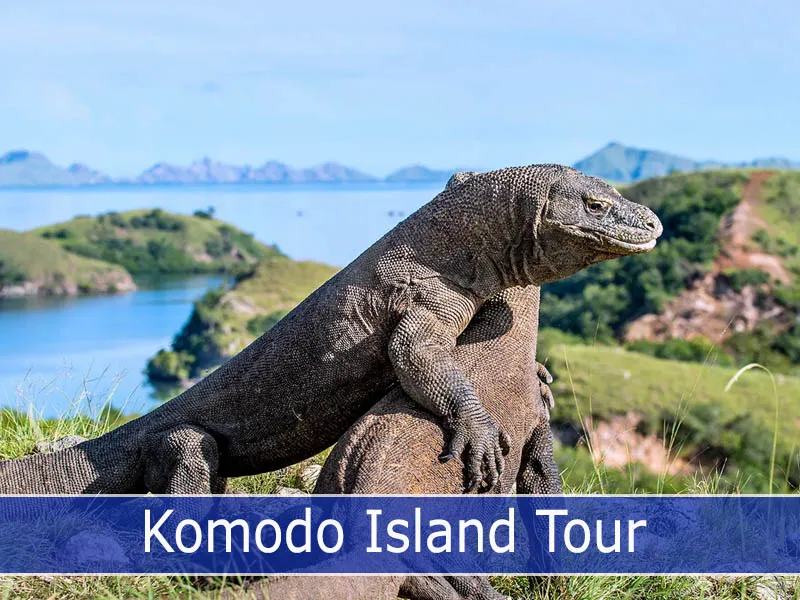
The park’s headline species is the Komodo dragon, a monitor lizard found only in this region. Viewing is ranger-led on designated trails on Komodo Island and Rinca (Rinca’s setup has been described by some visitors as more managed or zoo-like than wild Komodo walks—experiences differ). Guides set the pace, explain safety rules, and position the group for observation without encroaching on the animals’ space. Dragons are dangerous predators; distance and compliance with instructions are non-negotiable.
Wildlife sightings vary: deer, boar, and birdlife often appear in dragon habitat, and photography is easiest when heat draws reptiles toward open areas. Morning walks can offer cooler temperatures; midday may suit boat schedules but harsher light. Carry water, wear sturdy shoes, and expect uneven paths. Respect park fees and conservation messaging—your visit helps fund protection, but only when behavior stays responsible.
Padar Island hiking — viewpoints above the bays

Padar Island is famous for its ridgeline viewpoint overlooking multiple bays—one of Komodo’s most reproduced landscapes. The walk involves stairs and exposed slopes; it is manageable for many fitness levels but punishing for unstable knees or balance issues. Start early for softer light and cooler air, bring sun protection, and carry more water than you think you need—there is little shade on the climb.
Drone operators should note that drone use often requires a permit obtained through official channels (fees and rules have applied in the past—verify current requirements in Labuan Bajo before flying). Even without aerial gear, the summit panorama rewards the effort: turquoise water, serrated ridges, and boats threading channels below. Descend carefully; crowds concentrate at narrow photo spots, so patience helps.
Pink Beach and island-hopping culture

Pink Beach draws visitors for its blush-tinted sand—a mix of white coral fragments and red foraminifera—and clear water suited to relaxed snorkeling from shore. Tides and light change how “pink” the beach appears in photographs; midday sun often flatters the color, while morning and late afternoon soften glare for portraits. Treat the reef gently: finning carefully, avoiding standing on coral, and using reef-safe practices protects a fragile environment that receives heavy traffic.
Many itineraries also highlight sunset flying fox flights at spots such as Kalong Island, where thousands of large bats leave mangroves at dusk—an atmospheric add-on after beach and snorkel time. Whether your day is packed or leisurely, balance boat hours with rest; dehydration and sun exposure accumulate faster than on land-based trips.
Scuba diving and snorkeling highlights
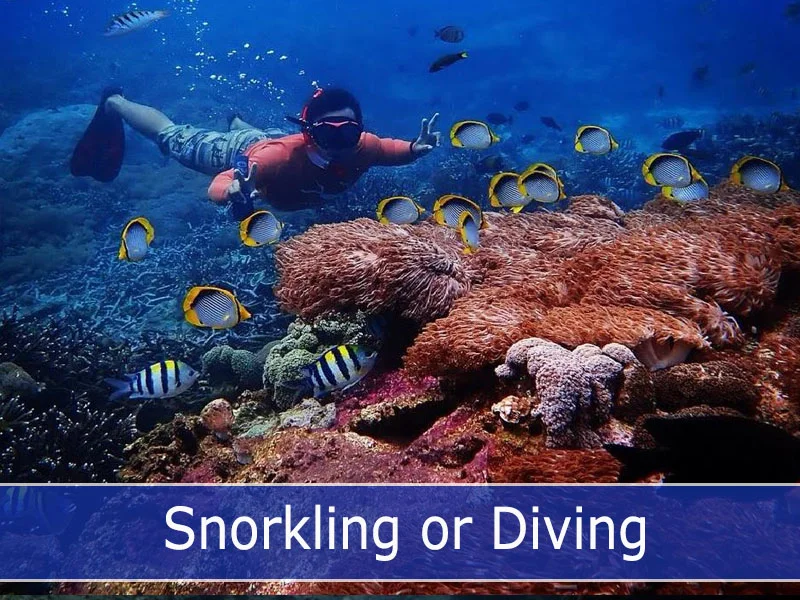
Beneath the surface, Komodo ranks among the planet’s most diverse marine frontiers: current-fed channels, pinnacles, and manta cleaning stations. Signature experiences include drifting above reefs where trevally and sharks hunt, watching mantas glide at sites such as Karang Makassar (often called Manta Point), and exploring dramatic topography at places like Batu Bolong or Castle Rock—each with its own skill and current profile. Snorkelers access shallower gardens and manta areas on many shared boats, though surface conditions can be choppy when wind opposes tide.
If you are not certified, introductory programs or guided snorkeling may still deliver memorable encounters; certified divers should bring proof of experience and discuss conditions honestly with guides. Seasonality, moon phase, and tide affect visibility and flow—local professionals combine tables with recent observations to pick sites day by day. Protect the park by avoiding souvenir coral, minimizing single-use plastics onboard, and choosing operators with clear environmental policies. The reward is a coastline where terrestrial icons and underwater spectacle sit within a single protected seascape.
Questions Frequemment Posees
Explorez plus a Komodo


Rejoignez plus de
1,000+ visiteurs mensuels
Du monde entier pour la plongée sous-marine, les cours PADI, le snorkeling et l'apnée.