
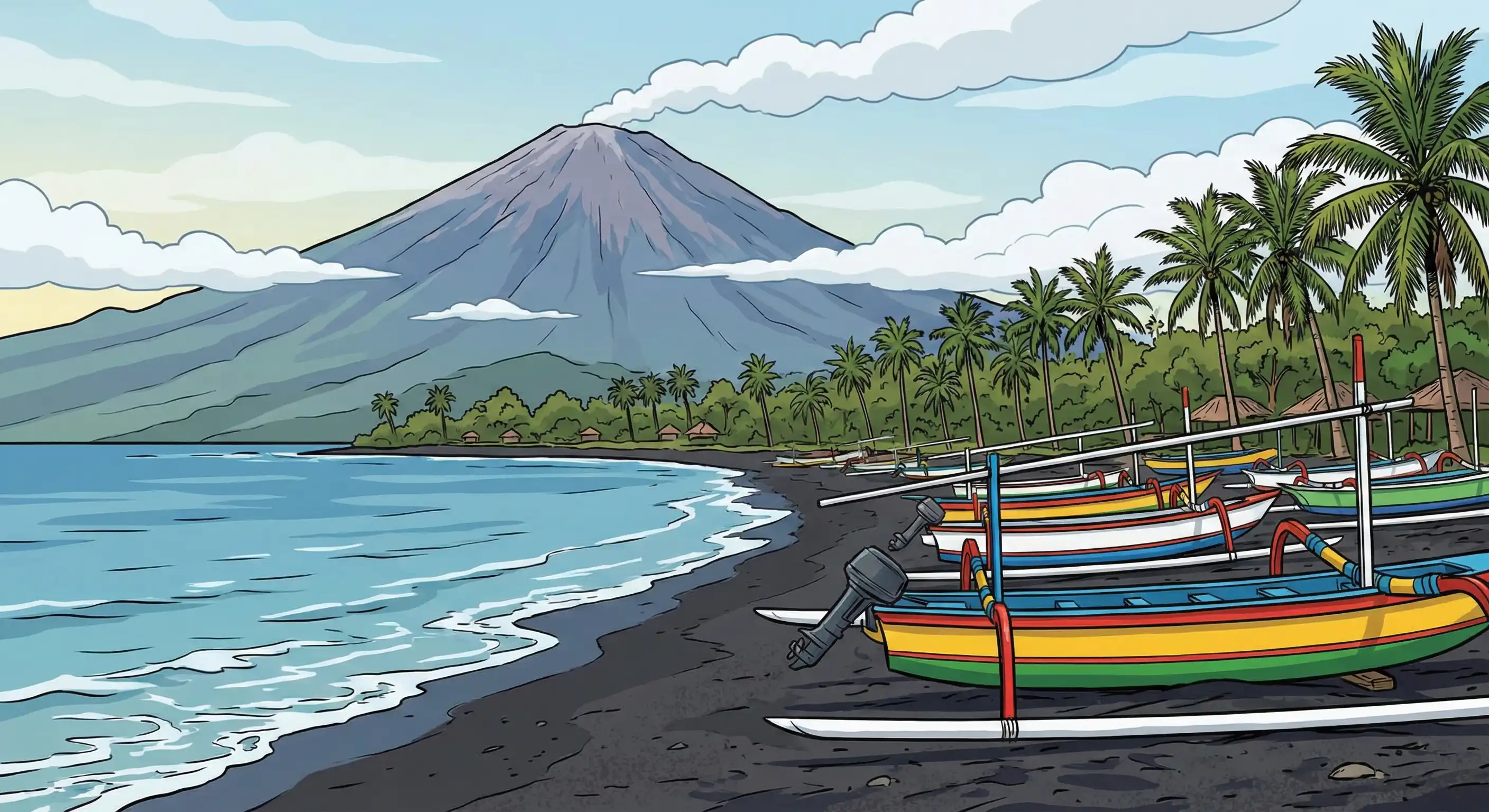
Amed is on the northeast coast of Bali and is one of the best places in Southeast Asia to go scuba diving. The water is tranquil, the beaches are made of volcanic black sand, and the marine life is so diverse that it ranks third in the world for macro photography. This old fishing community is 10 kilometers long and has seven bays, each full of undersea riches that may be reached easily from the shore.
This guide has information about dive locations from Melasti to Banyuning, what you need to do to get certified, and how to plan your trip to this part of the coast. It doesn't include diving spots in south Bali, including Nusa Penida, and only talks about what makes diving Amed Bali unique. This information is for you whether you're a licensed diver looking for wreck diving activities, a beginner planning your first dive, or an underwater photographer trying to find pygmy seahorses.
Diving Amed Bali has more than 10 shore dive sites with turtles, WWII wrecks, and amazing macro subjects. The water is always between 26 and 30 degrees Celsius, and the depths range from 5 to 35 meters.
After reading this guide, you will understand why diving Amed Bali is a must do:
- The best local dive sites matched to your certification level and interests
- What marine life encounters to expect at each location
- Practical planning tips including dive center selection and seasonal considerations
- Photography opportunities that attract professionals worldwide
- How to explore nearby attractions like the famous Liberty Wreck in Tulamben
Understanding Amed’s Diving Environment
Amed is made up of seven traditional fishing towns that are linked by a winding coastal road. It takes around three hours to get there from Denpasar airport. Because it's far away from busy tourist areas, there are less divers fighting for space on the reef, and the surface is more like Bali.
The region's diving sites are protected by bays that keep big waves from hitting them most of the year. This makes it easy for beginners to perfect their abilities while advanced divers look for deeper cliffs and wrecks.
Geographic Setting and Underwater Topography
The slopes of Mount Agung's volcanoes go down below the surface, making stunning underwater landscapes that range from mild sandy bottoms at 5 meters to steep walls that plummet more than 40 meters. Black sand floors characteristic of volcanic islands transition into coral gardens, artificial reef structures, and historical wrecks.
Diving from the shore is the most popular activity here; most places are just a short walk from the beach. From Melasti to Jemeluk, the entry sites include black sandy beaches that are simple to get to. As you go further down the coast toward Banyuning, small round stones take the place of sand, but they are still easier to get to than many other Indonesian options.
Marine Ecosystem Characteristics
Amed is in the Coral Triangle, where the Indian and Pacific Oceans meet. This makes for a lot of different kinds of wildlife. Clownfish colonies, moray eels, seahorses, and ghost pipefish live in the tropical Indo-Pacific. Certain months bring seasonal visitors like the unique mola mola sunfish, which attracts divers from all around the island.
Local scuba diving groups in Amed are working hard to protect coral reefs. They are dealing with problems caused by snorkelers and people feeding fish at popular spots like Jemeluk Bay. These actions help keep the reef systems that are home to anything from nudibranchs to reef sharks.
Knowing about this ecology can help you understand what makes each dive site unique.
Essential Dive Sites in Amed
The Amed scuba diving coastline has a variety of underwater settings that are only a short boat trip or shore entry apart from one other. Each place has something to offer for people who are interested in photography, marine life, or history.
Jemeluk Bay - Underwater Temple and Coral Gardens
The greatest spot to learn to dive in Amed is Jemeluk Bay, where the water is safe and the coral reefs are only 5 to 20 meters deep. An artificial temple building is a great photo spot and attracts schools of tropical fish against a background made just for underwater photography.
Marine life gathers along the reef crest, where mantis shrimp, leaf scorpionfish, and colorful gorgonian fans provide great macro subjects that fill the frame. The famed Jemeluk Wall starts at about 15 meters and goes down to 35–40 meters. The upper parts are still open to Open Water certified divers, while the lower parts are only for advanced dives who want to see bigger fish.
Because it's in the middle of things and has beginner-friendly conditions, this site will be busier than others. Snorkelers and dive classes come here all day. Going out in the morning makes it less likely that you'll have to compete for space.
Pyramids - Turtle Encounters and Drift Diving
The Pyramids site is less than five minutes from local dive shops and has more than 20 concrete structures that are about 18 meters deep. Local fishermen made this fake reef in the mid-1990s, and it currently works as a turtle cleaning station that is quite reliable.
Hawksbill and green turtles come to the structures often, which makes this site worth diving at more than once. Pygmy seahorses, frogfish, and leaf scorpionfish live on the sandy plateau around the pyramids. These fish are great for patient photographers who want to get good pictures.
The gentle currents at this site make it a great place for beginners to learn how to drift dive. The current moves divers along the reef system, while a jukung boat follows overhead to pick up the team at a good place to get out.
Japanese Shipwreck - WWII History Underwater
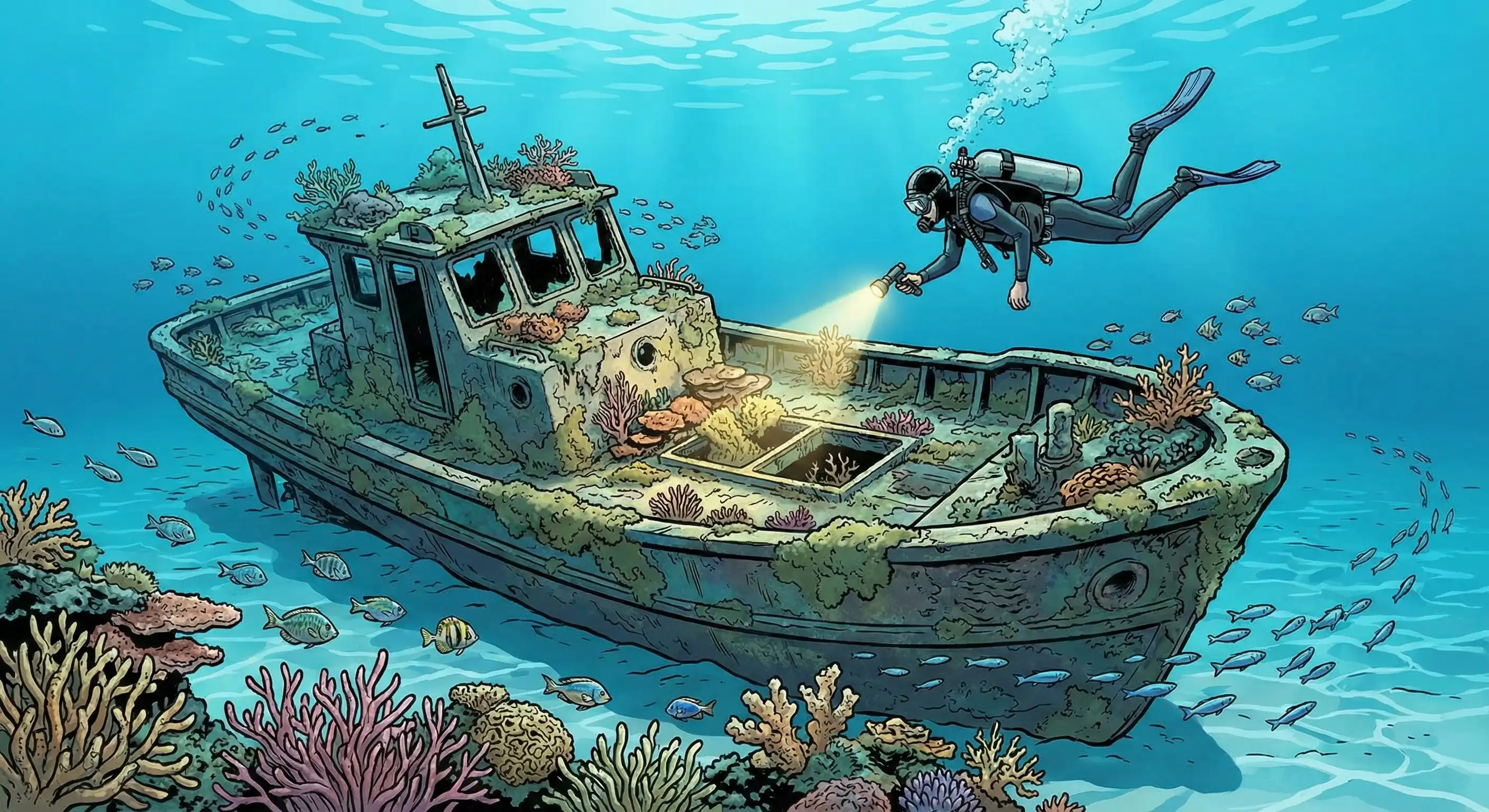
The Japanese Wreck is in Banyuning Bay at a depth of 6 to 12 meters, which is shallow enough for snorkelers to see its shape from the surface. This WWII ship is a live example of the shared history between Japan and Indonesia. Divers may see the past while exploring the underwater world.
Coral growth covers most of the wreck structure, making homes for macro creatures including nudibranchs and small crustaceans. The cliffs next to the wreck reach up to 30 meters and are covered in enormous gorgonians that make it possible to go deeper than the ship itself.
When the weather is bad, visibility can drop, so plan your trips to diving Amed Bali during the dry season or calm mornings when the views are best.
Advanced Diving Opportunities and Techniques
Once they are comfortable with these easy-to-reach areas, experienced divers can go to harder places and learn more advanced diving skills.
Wreck Diving Procedures
The Japanese Shipwreck and the deeper Boga wreck (14 to 38 meters) need distinct techniques because they are at various depths and have different structures. Only experienced divers can dive at the Boga wreck, which is a great place for deep training dives.
- Pre-dive safety briefing: Review wreck layout, emergency procedures, and maximum penetration limits with your dive center team
- Controlled descent: Descend along a reference line to avoid disorientation and manage nitrogen loading
- External exploration: Maintain safe distances from structure, avoiding contact that damages marine growth or dislodges sediment
- Photography approach: Capture images through open windows rather than entering confined spaces without proper wreck penetration training
Drift Diving Comparison
| Criterion | Pyramids | Bunutan |
|---|---|---|
| Current Strength | Gentle, predictable | Moderate to strong |
| Difficulty Level | Beginner-friendly | Intermediate to advanced |
| Primary Marine Life | Turtles, macro subjects | Pelagics, nutrient-fed reef fish |
| Boat Support | Optional | Recommended |
| Photography Conditions | Stable, easy composition | Challenging, rewards experience |
Choose Pyramids for skill-building and trustworthy meetings. Bunutan rewards certified divers who want more exciting conditions and the bigger fish that strong currents bring in.
Common Diving Challenges and Solutions
Diving Amed Bali is good for diving all year, but you need to be ready for certain problems.
Strong Currents at Bunutan
The currents that bring nutrients to marine life also make things harder for them. Before trying these spots, hire a professional crew that understands the area well and practice buoyancy management. You might also want to bring a reef hook for observation stops in current.
Limited Visibility During Rainy Season
Diving is available all year round, however from June to September, waves at some spots mix up sediments. Go diving in the early morning before the winds pick up. Choose protected bays like Jemeluk, and switch to macro photography, where lower visibility doesn't matter as much.
Crowded Conditions at Popular Sites
Jemeluk Bay gets very busy, especially when dive classes are going on at the same time as free divers and snorkelers. There isn't much traffic during sunrise dives. Bali divers frequently spend the morning at the famed Liberty Wreck in Tulamben and then go to Amed later. You might also visit less well-known places like Lipah Beach or Melasti, which have less visitors but similar aquatic life.
Conclusion and Next Steps
Amed scuba diving gives divers everything they want: easy access to shore diving, a variety of marine life, old shipwrecks, and circumstances that are good for both beginners and advanced divers. The volcanic scenery above and below the water provides a unique ambiance that can't be found anywhere else on the island.
Immediate actionable steps:
- Book accommodation in Amed for 3-5 days to explore multiple dive sites without rushing
- Contact a reputable dive center like Amed White Sand Divers to discuss your certification level and interests
- Plan morning dives for optimal visibility and reduced crowds
- Rent a scooter for flexibility exploring the coastal road between villages
- Add a trip to the Liberty Wreck in Tulamben—located just 20 minutes away—to complete your northeast coast adventure
If you have the right certification and expertise, you might want to prolong your Bali diving trip to Nusa Penida to see mola mola and manta ray cleaning stations.
Additional Resources
Recommended Dive Centers:
- Amed White Sand Divers: Known for small groups and quality service
- Dive Concepts: Offers Nitrox, technical diving, and PADI courses
- Fresh Fins: Specializes in underwater photography instruction
Accommodation Options: Budget homestays start around $15/night, while beachfront resorts with dive packages cost $80-150/night. Staying near Jemeluk Bay reduces travel time to the most popular dive sites.
Transportation: Arrange airport transfer through your accommodation or dive center. Costs typically run $50-70 for the three-hour journey. Once in Amed, scooter rental ($5-8/day) provides independence for exploring villages and restaurants.
Seasonal Conditions:
- Dry season (April-October): Best overall conditions, occasional wind June-September
- Wet season (November-March): Calmer seas, afternoon rain showers
- Water temperatures: 26-30°C year-round, 3mm wetsuit typically sufficient
What to Pack: Reef-safe sunscreen, rash guard for sun protection, underwater camera with macro lens, and certification cards. Quality equipment is available for rent at local dive centers.