Komodo dive site guide
Siaba Besar (Turtle City)
Siaba Besar sits in a sheltered pocket of Komodo National Park and is affectionately nicknamed Turtle City—a shallow, forgiving reef where green and hawksbill turtles are routine visitors. This guide covers the site’s character, wildlife, conditions for newer and experienced divers, snorkeling, seasonality, and how trips from Labuan Bajo typically unfold.
Overview: Komodo’s beginner-friendly “Turtle City”

Siaba Besar lies in a protected bay off a small island in the central part of Komodo National Park. That geography matters: unlike exposed pinnacles where tide and wind collide, the site often enjoys calm surface water and gentle to moderate underwater movement—exactly why it has become a go-to introduction to Komodo diving for people who want color, turtles, and coral without committing first to the park’s most demanding currents.
The “Turtle City” label is not marketing fluff. The combination of sandy patches, seagrass edges, and healthy reef structure gives chelonians places to rest, feed, and cruise between cleaning spots. You are still inside a UNESCO-listed reserve with real ecological rules, but the overall tone of a dive here is relaxed and observational—ideal for photographers who prefer macro and mid-range reef scenes over battling surge on a wall.
Families and mixed-experience groups also appreciate Siaba Besar because snorkelers can enjoy the upper reef while certified divers explore a bit deeper along the same general area—more on that below. Think of it as Komodo’s gentle counterweight to sites like Batu Bolong or Castle Rock, which demand stronger skills and current comfort.
Marine life: sea turtles, frogfish, nudibranchs, and coral gardens

Turtles headline the show. Green and hawksbill turtles are seen regularly—sometimes several individuals on a single dive—resting on coral, ascending for air, or browsing algae and sponges. Give them space, avoid blocking their path to the surface, and you will often get long, natural encounters rather than fleeting silhouettes.
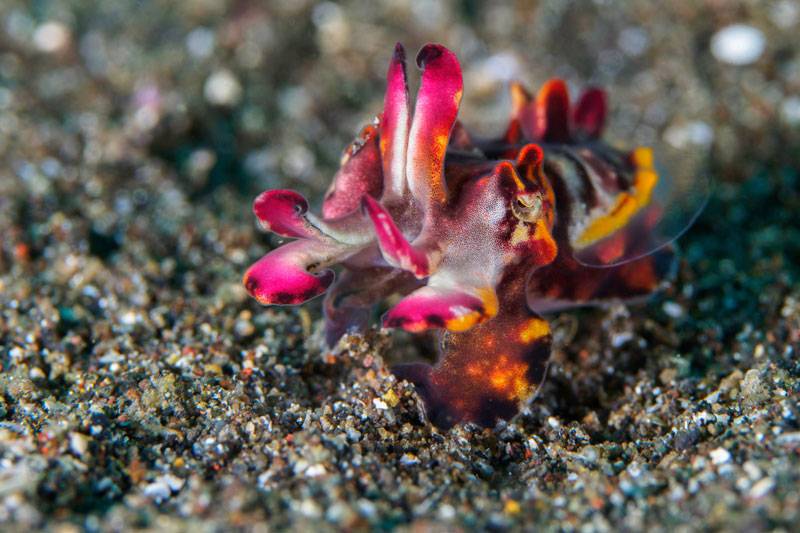
The reef rewards slow, deliberate finning. Patient divers find frogfish tucked against sponges or rubble, their camouflage turning a casual glance into a satisfying discovery. Nudibranchs and small slugs appear in surprising variety along the slope, especially where algae and hydroids offer food and cover—bring a macro lens or a magnifying mindset if critter hunting is your style.
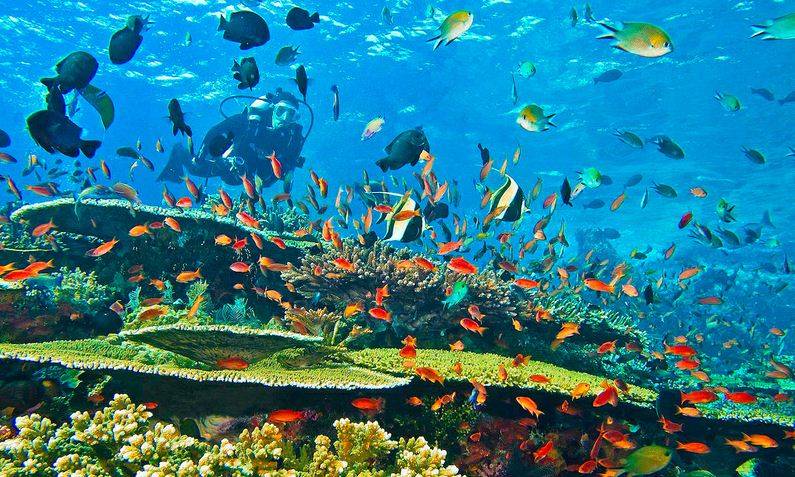
Hard and soft coral cover much of the terrain, with bommies and patch reefs breaking up sand channels. Schools of reef fish—fusiliers, butterflyfish, angelfish—animate the mid-water, while bottom-dwellers such as scorpionfish and shrimp gobies add detail to the seafloor. Siaba Besar is not the place for guaranteed pelagic megafauna on every dive, but it consistently delivers a rich, “classic Indo-Pacific” reef portfolio in a compact area.
Dive conditions: protected bay, calm water, all levels including DSD
Because the site sits inside a bay, wind chop and swell are often milder than on open-ocean pinnacles. Underwater, many dives feel like gentle drifts or easy out-and-back profiles along the reef rather than high-speed channel rides. That makes Siaba Besar a frequent choice for refresh dives, first dives after a long flight, and Discover Scuba Diving experiences when sea conditions and park rules allow.
Typical recreational depths cluster in the 12–18 metre range for certified divers, while introductory programs may stay shallower—often around 12 metres or less depending on training standards and the supervising instructor. The reef crest begins relatively shallow, so even short bottom times still include plenty of structure and life.
“Easy” never means careless: you should still monitor buoyancy, watch fin placement on coral, and follow briefing instructions. Occasional stronger water movement can arrive on changing tides, so listening to local guides—who read conditions daily—remains essential for a safe, enjoyable dive.
Snorkeling at Siaba Besar
Snorkelers get a genuine slice of the same ecosystem. The upper few metres already show coral heads, fish schools, and—on many days—turtles swimming within clear view of the surface. Clear water and sunlight turn the bay into a natural aquarium for anyone who prefers to stay on snorkel or is sharing the boat with divers.
As always in Komodo, surface safety comes first: stay aware of boat traffic, follow your guide’s zone boundaries, and avoid chasing wildlife. Turtles are protected; calm, parallel observation from a respectful distance yields better memories than splashing pursuit.
If you are pairing snorkeling with scuba on the same itinerary, Siaba Besar is one of the sites where the two activities feel complementary rather than segregated—everyone can talk afterward about the same turtles and reef highlights from slightly different depths.
Best time to dive Siaba Besar
Komodo’s dry season, roughly April through November, brings calmer seas for boat transfers and often more predictable visibility—many visitors plan peak travel in that window. The wet season can still offer beautiful underwater days; rainfall mainly affects comfort on deck and occasional runoff clarity rather than canceling diving outright.
Within any month, local sea state and tide influence the experience more than a single “perfect week.” Building several dive days into your Flores stay spreads weather risk and gives flexibility if one morning is rougher on the crossing from Labuan Bajo.
Turtles do not migrate away from Siaba Besar on a strict calendar—your odds of encounters stay meaningful year-round—though plankton-rich periods may occasionally soften visibility while boosting food availability in the water column. Guides adjust routes and expectations accordingly.
Getting there and what to expect
Nearly all visits start from Labuan Bajo on Flores, reachable by air from Indonesian hubs. From town, divers and snorkelers transfer to day boats or join longer liveaboard routes that include central Komodo sites. Siaba Besar is a boat-access location—there is no practical shore entry for park visitors arriving the usual way.
Expect a standard sequence: equipment check, safety briefing, national park procedures as applicable, then a run time that varies with sea conditions and the day’s full itinerary. Many trips bundle Siaba Besar with other central or northern sites, so your surface interval may include a second dive at a contrasting profile—deeper channel drift, manta-focused rubble, or another reef—to sample Komodo’s diversity.
On site, anticipate clear roles from the crew: entry point, maximum depth or time limits, and wildlife etiquette. The mood is usually unhurried; use the dive to refine buoyancy, photograph turtles ethically, and enjoy one of the park’s most welcoming underwater introductions before tackling Komodo’s wilder currents elsewhere.
Haeufig gestellte Fragen
Weitere Tauchplaetze in Komodo


Schließen Sie sich mehr als
1,000+ monatliche Gäste
Aus aller Welt zu uns für Tauchen, PADI-Kurse, Schnorcheln und Freediving.