Immersioni a Bali
Siti di Immersione a Bali
Explore the magnificent Bali dive sites. Discover hidden treasures at Tulamben, Amed, Padang Bai and Nusa Penida with essential travel tips.
Siti di Immersione a Bali
.webp&w=3840&q=75)
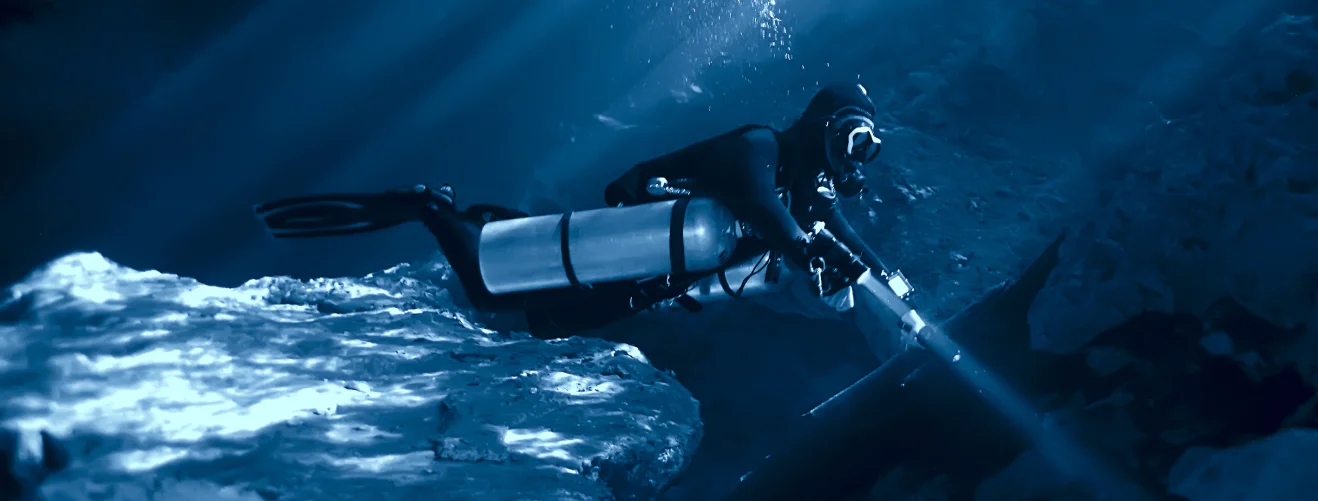
Bali is a diver's paradise, offering some of the best dive sites for both beginners and advanced divers. This guide explores the best dive sites including Tulamben, Amed, Padang Bai, and Nusa Penida, with essential travel tips for an unforgettable experience.
Best Bali Dive Sites
Bali's coasts host close to 100 dive spots, each with unique features. Some are ideal for beginners while others cater to experienced divers, yet all share extraordinary underwater beauty.
Tulamben

Tulamben on the northeastern coast is one of Bali's most popular dive destinations, famous for the USAT Liberty shipwreck. This WWII relic is adorned with vibrant coral and teeming marine life, making it perfect for underwater photographers. Clear visibility and calm waters also make it ideal for night diving.
Beyond the shipwreck, the Coral Garden showcases explosive coral formations, while the Drop-Off provides an exhilarating wall dive. All sites are accessible shore dives.
1. USAT Liberty Wreck
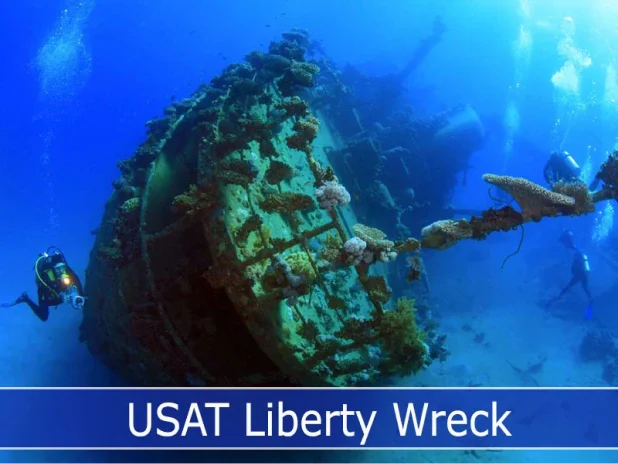
Tulamben's renowned shipwreck caters to all diving levels. The wreck is split into two halves, with the shallow portion accessible to snorkelers. Approximately 120 meters long, it lies on a gently sloping sand with depths ranging from shallow to deep.
Visibility ranges from 10 to 30 meters, and water temperature averages around 28°C (82°F), making for comfortable diving conditions year-round.
2. Coral Garden

Known for vibrant coral formations, Coral Garden is a shallow dive (3–18 meters) perfect for beginners or courses. Local divers and conservationists have added underwater sculptures to enhance the site, creating a fusion of natural and artificial elements beneath the waves.
3. Drop-Off

A stunning wall dive starting shallow and plunging to around 70 meters, featuring various camouflage fish and pelagic species. Massive sea fans and sponges adorn the vertical surface, with possible sightings of barracudas, reef sharks, manta rays, and whale sharks.
4. Seraya Secret

A hidden gem for macro diving, attracting underwater photographers seeking unique critters like the elusive Sean The Sheep nudibranch, Butterfly Nudibranchs, and Ghost Pipe Fish. Its remote location offers an intimate and exclusive underwater experience.
5. Melasti Reef
.webp&w=3840&q=75)
An ideal spot for macro photography with abundant nudibranch species and diverse crustaceans. The shallow depth provides ample sunlight that enhances colors and details. Less crowded than Seraya Secret, it offers a peaceful atmosphere for appreciating the art of macro diving.
Padang Bai

A charming fishing village on Bali's southeastern coast with 9 dive sites including the famous Blue Lagoon. All sites feature amazing coral reefs and diverse tropical marine life, suitable for beginners. Easily accessible from the south coast — just 1 to 1.5 hours from Sanur or Kuta.
1. Blue Lagoon
.webp&w=3840&q=75)
The most popular dive site in Padang Bai — a sheltered bay with crystal-clear waters featuring vibrant coral reef, reef fish, moray eels, and occasionally sharks and turtles. Both diving and snorkeling are excellent here.
2. Jepun

Typically visited after Blue Lagoon, Jepun features an artificial reef with sunken boats and statues, plus a wide range of marine life from macro critters to schools of colorful fish.
3. The Jetty

An intriguing muck diving site around a ferry pier, known for encounters with frogfish (including juveniles), seahorses, and octopuses — one of the most unique dive sites in Bali.
4. Shark Point
.webp&w=3840&q=75)
Named for regular sightings of white-tip and black-tip reef sharks, with beautiful coral formations and an array of reef fish. Strong currents mean checking conditions is mandatory. Other Padang Bai sites include Silayukti Wall and the Channel.
Nusa Penida
.webp&w=3840&q=75)
The highlight of Bali diving — where divers enjoy majestic Manta Rays and the best coral reefs. Most dive sites are suitable for both beginner and advanced divers. During June/July to October, advanced divers can spot the elusive Mola Mola (Sun Fish) in deeper waters.
1. Manta Point
.webp&w=3840&q=75)
The most famous dive site in Nusa Penida, featuring a manta cleaning station where these gentle giants are almost always present. Located on the southern coast, it offers unforgettable encounters with Manta Rays in their natural habitat.
2. Crystal Bay
.webp&w=3840&q=75)
Known for crystal-clear waters and diverse marine life, Crystal Bay is the primary site for spotting Mola Mola during the right season. These massive ocean sunfish can grow up to 3 meters and weigh over 2,000 kg. The reef also hosts parrotfish, angelfish, butterflyfish, manta rays, and sea turtles.
3. SD Point
.webp&w=3840&q=75)
Located on the north side of Nusa Penida, SD Point offers a magnificent drift dive with the most amazing coral reef. Schools of vibrant tropical fish dart in and out of the corals, with nudibranchs, camouflaged octopuses, and curious shrimp hiding among them. Suitable for divers of all levels.
4. PED
.webp&w=3840&q=75)
Right next to SD Point with similar features — stunning coral reefs and rich marine life. Visibility is generally at least 20 meters. From Nusa Penida, divers can also access neighboring Nusa Lembongan sites like Blue Corner and Mangrove.
Amed
.webp&w=3840&q=75)
A small fishing village near Tulamben on the east coast, boosted as a top diving location with both shore and boat-accessible sites, both artificial and natural. Night diving reveals cuttlefish, octopuses, and bioluminescence.
1. Amed Wall
.webp&w=3840&q=75)
A beautiful wall dive with diverse marine life including reef fish, moray eels, macro critters, and the elusive ornate ghost pipefish. Amed is a charming coastal village known for its black sand beaches and stunning sunrises over Mount Agung.
2. Jemeluk Bay
.webp&w=3840&q=75)
A gentle sloping reef with vibrant corals and wide variety of marine life. Features an underwater post box and submerged temple — both natural and artificial elements designed to promote coral growth and attract more marine life.
3. The Pyramids
.webp&w=3840&q=75)
Artificial reef structures built by local people, designed to attract and support marine life. Divers encounter schools of fish, macro critters, seahorses, pipefish, nudibranchs, and occasional reef sharks and rays.
4. Japanese Wreck
.webp&w=3840&q=75)
A small WWII-era Japanese shipwreck in shallow waters near the shore, encrusted with corals. Home to scorpionfish, nudibranchs, and reef fish, though diving requires careful timing due to potential strong currents.
When is The Best Season to Dive in Bali?

Bali diving is ideal year-round, but divers typically avoid the rainy season (December–February) when visibility can suffer. The best time is between March and June when water temperatures are changing and the rainy season is over. After June, temperatures can drop to 16°C (60°F), marking the start of Mola Mola season.
Where Should I Stay for Easy Access to Bali Dive Sites?

Sanur is the best base for diving — a centrally located town on the south coast providing easy access to all Bali dive sites. Staying in Kuta or Seminyak adds an extra 30–45 minutes to daily travel.
Domande Frequenti
Altre guide di immersione a Bali

Unisciti a oltre
1,000+ ospiti al mese
Da tutto il mondo ci scelgono per immersioni subacquee, corsi PADI, snorkeling e apnea.