Komodo dive site guide
Mawan
Tucked among Komodo’s busier names, Mawan rewards divers who want reef richness without the same crowds as some headline sites. Cleaning stations draw reef manta rays, while bamboo sharks rest on broken coral and eagle rays glide over gardens that rank among the park’s most photogenic. This guide covers what makes Mawan special, who it suits, and how people typically reach it from Labuan Bajo.

Overview — a quieter Komodo highlight
Mawan sits in the central Komodo diving area and is often described as a hidden gem: the topography mixes coral rubble patches, sloping reef, and open sand channels where life concentrates in predictable ways. Unlike a single dramatic pinnacle, the site unfolds as a journey—beginning where bamboo sharks and smaller reef residents use structure for shelter, then building toward gardens where color and fish density rival better-known locations.
The headline appeal for many visitors is the chance to see reef manta rays at cleaning stations toward the end of a dive, paired with encounters with bamboo sharks early on when divers scan the bottom. That combination—quiet predators on the rubble, then wide-angle spectacle on the slope—gives Mawan a distinct rhythm and explains why photographers and fish-ID enthusiasts both leave satisfied when conditions cooperate.
Because it is slightly off the most heavily marketed circuits, Mawan can feel less hurried on the reef: smaller groups, more time on the cleaning station, and space to work on buoyancy while watching rays circle. It is still very much Komodo—currents, blue water, and park rules apply—but the site’s character is as much about composition as about a single “bucket list” animal.
Marine life — mantas, sharks, rays, and coral gardens

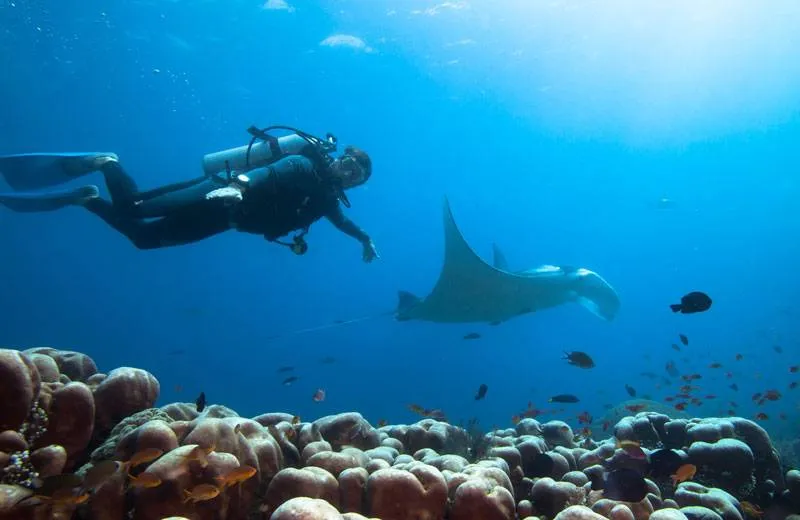
Manta cleaning stations are the draw for many wide-angle divers. Reef mantas arrive to let cleaner wrasse and other small fish remove parasites; behavior can include slow passes, barrel rolls, and tight loops over the station. Patience and a stable hover matter—surge and current still move water here, so guides often position the group down-current of the action to minimize fin impact on the reef.
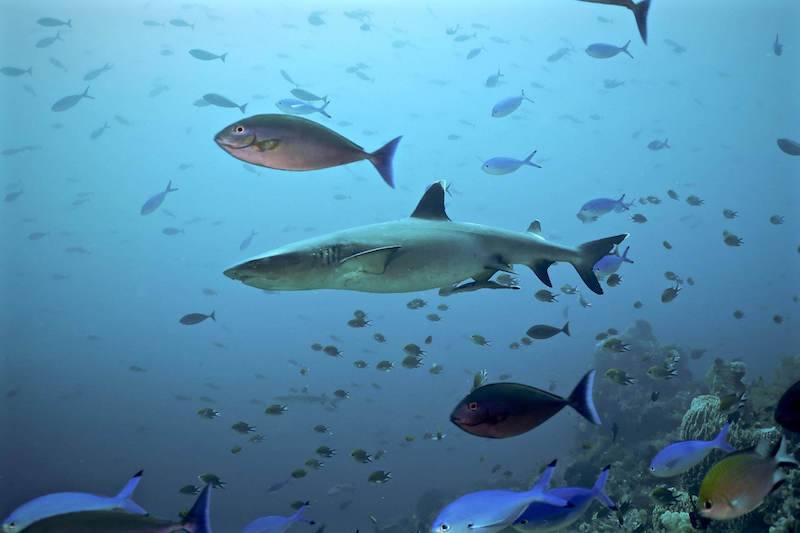
Bamboo sharks are a signature of the early part of the dive: these slender, banded elasmobranchs rest under ledges and on rubble, sometimes in surprisingly shallow water. Approach calmly, avoid sudden lights or chasing, and enjoy them as part of the site’s “quiet” fauna alongside morays, scorpionfish, and typical Indo-Pacific reef fish.
Eagle rays and other rays may cruise the slope or cross sand channels, adding motion to the blue. The coral gardens themselves—hard coral terraces, bommies, and mixed growth—support anthias, butterflyfish, angelfish, and seasonal visitors. On strong visibility days, the contrast between structured reef and open water makes for classic Komodo wide-angle imagery without needing extreme depth.
Dive conditions — currents and who it suits

Mawan is generally described as having moderate currents compared with Komodo’s exposed pinnacles, but “moderate” in this park still means tidal flow, upwelling, and occasional surges over shallow coral. Divers should be comfortable with controlled drifts, clear communication, and staying close to the guide when the group changes depth or crosses channels.
The site is best matched to intermediate divers and above: solid buoyancy, reasonable air consumption, and experience in similar Indonesian conditions help you enjoy the cleaning station without damaging fragile growth. Open Water divers can dive here with the right supervision and recent practice, but anyone anxious in current should discuss alternatives—Komodo offers gentler sites for skill-building days.
Depth profiles are typically kept within recreational limits along the slope; exact plans depend on tide, visibility, and group experience. As always in Komodo, the briefing is decisive: listen for entry points, expected flow direction, and where to regroup if separation occurs.
Best time to dive Mawan
Komodo’s dry season, roughly April through November, brings calmer seas and more predictable visibility for many itineraries—popular months for combining Mawan with other central sites. The wet season can still produce excellent dives; plankton may affect clarity on some days but can also coincide with manta activity, so local knowledge matters more than the calendar alone.
Within any week, tide and current windows often determine comfort and safety more than the date on your ticket. Experienced operators schedule Mawan alongside other central locations using tide tables and recent observations. Building a few flexible days into a Komodo trip increases the odds of catching the site in cooperative water.
Getting there from Labuan Bajo
Nearly all visits to Mawan start from Labuan Bajo on Flores, the gateway with Komodo Airport and harbor facilities. Divers join speed boats or day boats operated by local centers; run times vary with routing and sea state, but expect a boat journey into Komodo National Park rather than shore diving.
Liveaboards also include central Komodo sites on multi-day routes. Whether on a day trip or a longer cruise, access follows park regulations: entry procedures, fees, and ranger rules apply and change over time—confirm current requirements before travel.
International visitors typically connect through Jakarta, Bali, or other Indonesian hubs. After flying to Labuan Bajo, allow time for rest and equipment checks before your first park dives; arriving fatigued and immediately entering moving water is a poor recipe for enjoyment or safety.
What to expect on a dive day
A typical Labuan Bajo diving day begins with early meet-up, gear checks, and a thorough briefing covering currents, the planned route over rubble and gardens, and how the group will approach the manta cleaning station. Mawan is often one of several dives; your guide may sequence it after a shallower warm-up or pair it with nearby sites depending on conditions.
In the water, expect a structured progression: scan the rubble for bamboo sharks and macro subjects, then move along the slope toward healthier coral, finishing near cleaning stations when tides allow. Surface intervals usually happen on the boat—hydration, logging, and preparation for the next site keep the day sustainable in Komodo’s warm climate.
After diving, many groups debrief sightings—mantas are never guaranteed—and discuss how current compared to the briefing. That feedback loop is normal in Komodo: the same site can feel gentle or sporty depending on an hour’s difference in tide. Treat Mawan as part of a broader Komodo story rather than a single lottery dive, and the park’s variety starts to make sense.
Domande Frequenti
Altri siti di immersione a Komodo

Unisciti a oltre
1,000+ ospiti al mese
Da tutto il mondo ci scelgono per immersioni subacquee, corsi PADI, snorkeling e apnea.