Nusa Penida
Manta Point Nusa Penida Guide

Manta Point Nusa Penida
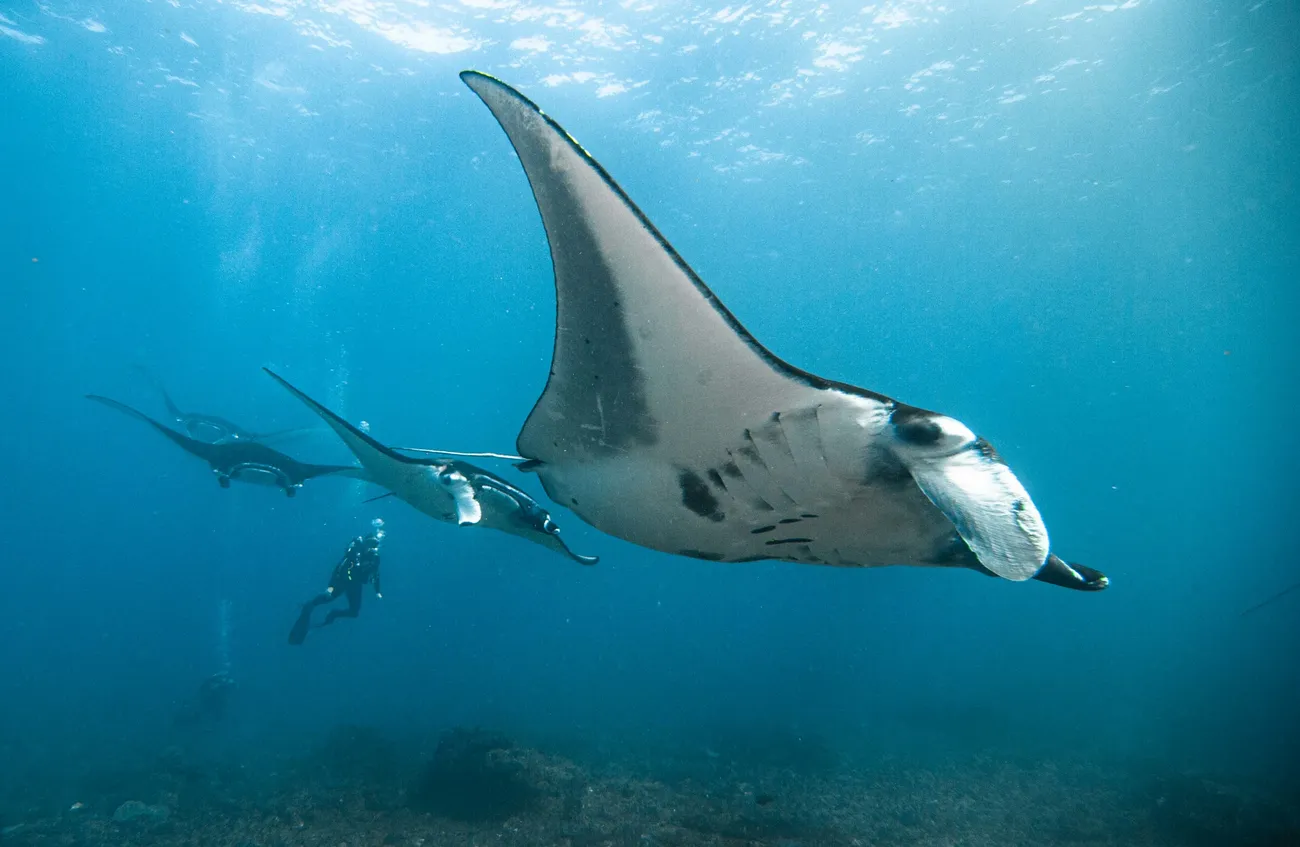
Manta Point is one of Nusa Penida's most famous dive sites—a place where majestic oceanic manta rays gather above rocky reefs and cleaning stations. Divers from around the world come here to drift in clear water and watch these gentle giants glide overhead.
Whether you are planning your first trip to Bali or returning for another season underwater, Manta Point belongs on any serious Nusa Penida itinerary. The combination of reliable manta activity and dramatic coastal scenery makes every visit memorable.
About Diving Destination in Nusa Penida

Nusa Penida sits southeast of Bali and offers some of Indonesia's most rewarding diving. Crystal-clear water, steep walls, and strong nutrient flow support diverse marine life—from tiny nudibranchs to large pelagics.
Manta Point sits on the south side of the island, exposed to open-ocean currents that bring plankton and, with it, feeding mantas. The site blends reef habitat with blue-water encounters, so you get both scenic topography and big-animal excitement in one dive.
Manta Rays: Graceful Giants
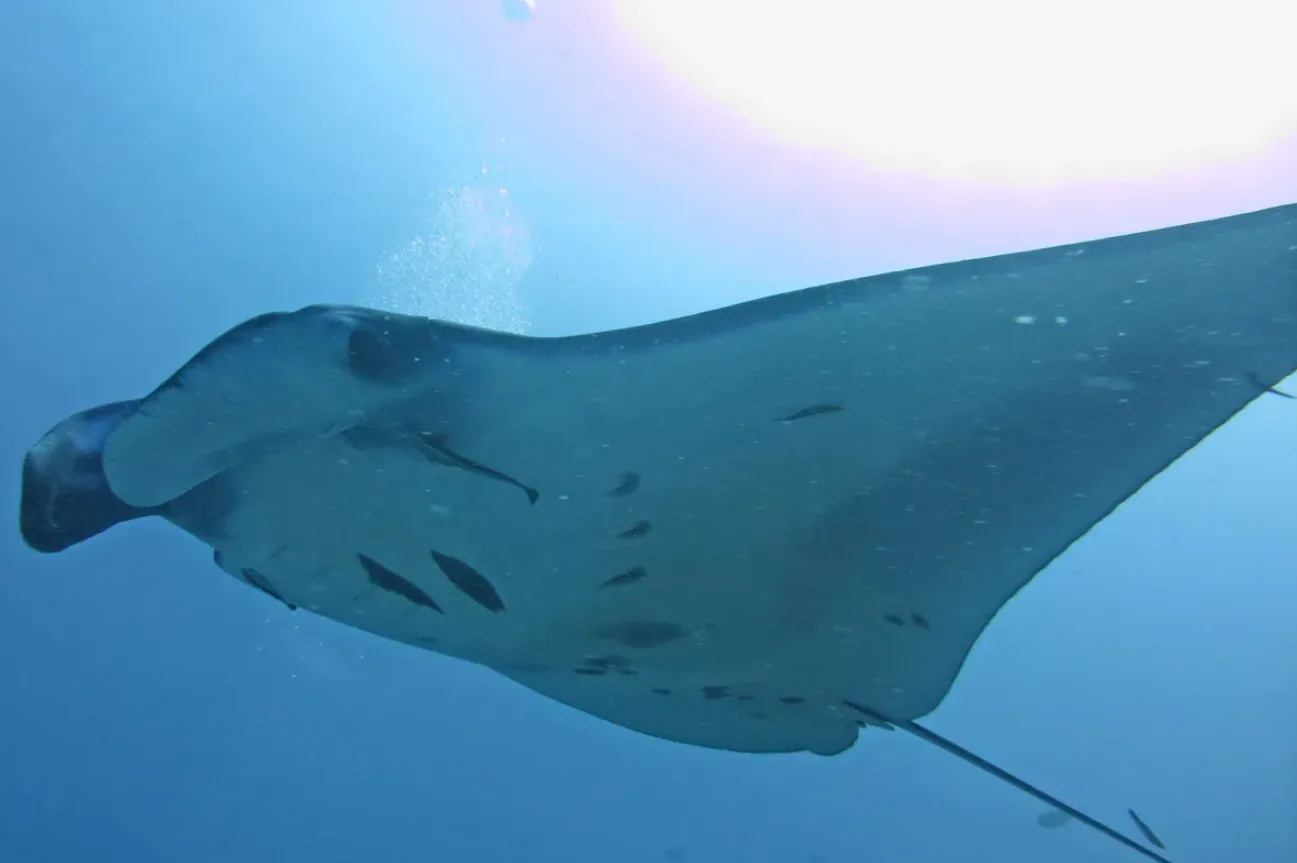
The stars of Manta Point are reef manta rays (Mobula alfredi), which use the area as a feeding and cleaning ground. They loop slowly over the reef, barrel-roll to funnel plankton, and hover while cleaner wrasse and other small fish pick parasites from their skin. Seeing several mantas in one session is common when conditions align.
Physical Characteristics

Reef mantas are among the largest rays in the ocean. Adults can reach impressive wingspans, with distinct black-and-white patterns on the underside that help identify individuals—like fingerprints. From below, their silhouettes are unmistakable against the sunlit surface.
Their broad pectoral fins power slow, efficient swimming, while cephalic fins (the horn-like lobes near the mouth) help channel water and food. Even at a distance, their size and grace set them apart from any other fish on the reef.
Behavior of Manta Rays

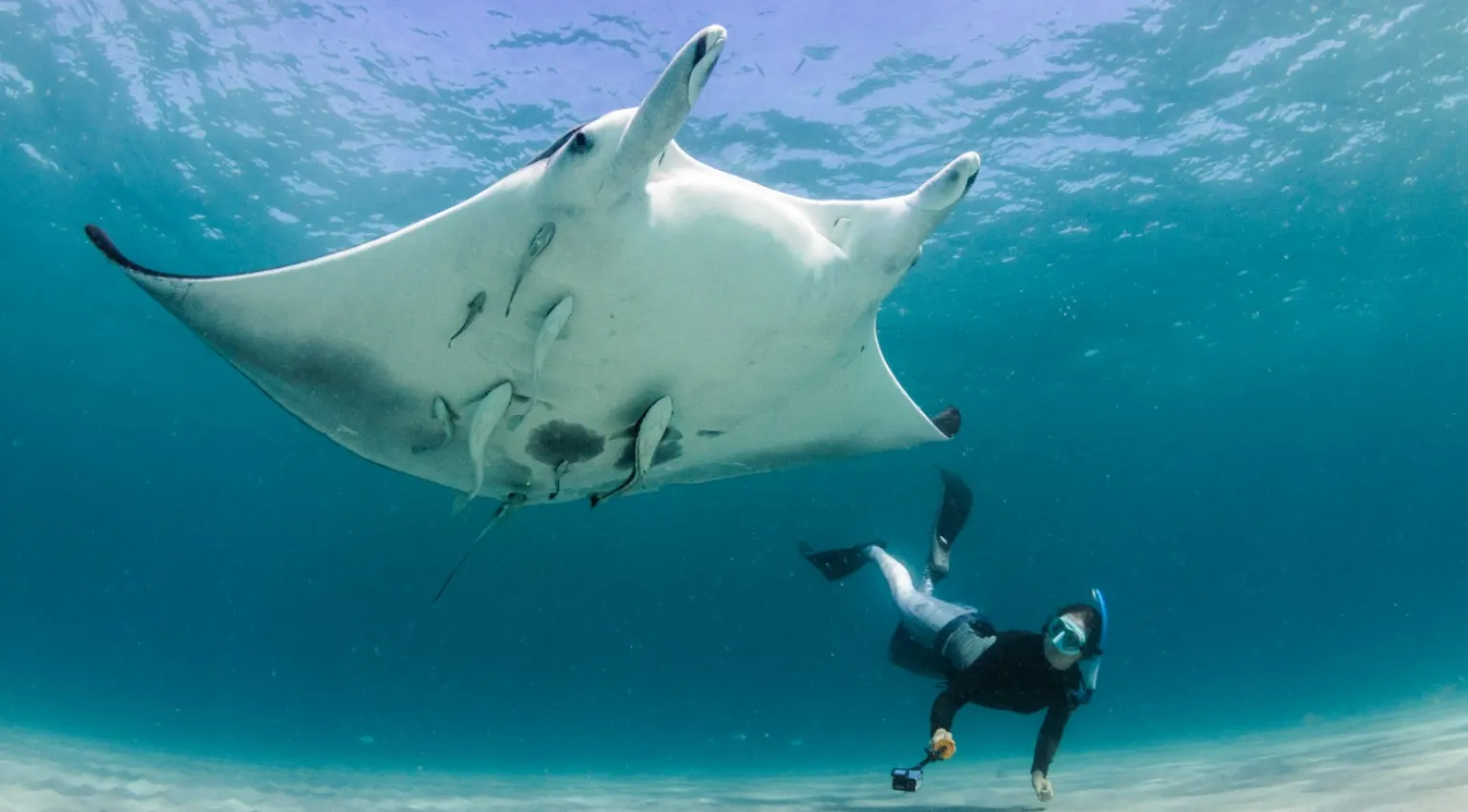
Mantas visit Manta Point to feed on plankton swept in by currents and to use cleaning stations—spots where small fish remove dead skin and parasites. Divers often kneel or drift near these stations and wait quietly while mantas approach in repeating circuits.
Passive observation is key: sudden movements or chasing can end an encounter. Experienced guides position the group where mantas naturally travel, maximizing both safety and respect for the animals.
Coral Reefs and Cleaning Stations

The underwater landscape mixes coral-covered bommies, rubble slopes, and sandy patches where cleaning fish set up shop. These stations act like underwater service stops—mantas slow down, open their mouths and gills, and let wrasse and other cleaners go to work. Healthy reef structure supports the whole food web that makes the site productive year after year.
Water Temperature and Currents
Water temperatures at Manta Point are typically tropical—comfortable in a standard wetsuit, with seasonal variation of a few degrees. Currents are often moderate to strong because the site faces the open ocean; they can run along the reef or push up from depth, which is exactly what concentrates plankton and attracts mantas.
Dive briefings cover drift procedures, SMB use, and how to stay with the group in changing flow. Always follow your guide: conditions can shift during the same day as tides change.
Preparation for the Dive
Open Water certification is the usual minimum for boat dives here; some operators recommend Advanced Open Water or equivalent experience because of depth and current. Bring or rent a well-fitted wetsuit, SMB, and any personal accessories you rely on in moving water.
Confirm medical fitness to dive, hydrate well, and avoid alcohol before early departures. If you are joining from Sanur or Padang Bai, factor in boat time and possible seas—motion-sickness remedies help on rough days.
The Dive Experience
Most trips include a negative or quick descent onto the reef, then a drift or stationary wait near cleaning stations. Visibility varies with plankton blooms—sometimes milky when feeding is intense, sometimes exceptionally clear. Mantas may appear within minutes or after a short wait; patience rewards quiet divers.
You may also spot turtles, reef sharks, and schools of fusiliers and trevally. The dive usually feels like a blend of blue-water spectacle and intimate reef watching—one of the standout experiences in Indonesian diving.
Best Time to Dive Manta Point
Manta rays can appear throughout the year, so there is no single "closed" season. Many divers find April through October especially rewarding, with a balance of calmer seas on the Bali side and consistent manta activity. Outside those months, trips still run; flexibility on dates and a tolerance for seasonal weather help you get the most from your booking.
Discover More Dive Sites in Nusa Penida

Manta Point pairs naturally with other Nusa Penida highlights. Crystal Bay offers famous sunfish and reef scenery; Toyapakeh and SD Point deliver colorful walls; Blue Corner and Malibu Point cater to advanced divers seeking current and big-fish action. Ask your operator about multi-dive day trips that match your certification level and interests.
Domande Frequenti
Tutto quello che devi sapere sul prodotto e sulla fatturazione. Non trovi la risposta che cerchi? Contatta il nostro team.
Discover More Dive Sites in Nusa Penida

GET IN TOUCHUnisciti a oltre
Unisciti a oltre
1,000+ ospiti al mese
Da tutto il mondo ci scelgono per immersioni subacquee, corsi PADI, snorkeling e apnea.