

Bali's mola mola season lasts from July to October. The best times to see them are in August and September, when cold water upwelling takes the world's largest bony fish to depths that are easy to get to in Nusa Penida and Nusa Lembongan.
In this article we talk about the best times of year to see ocean sunfish in Bali's best dive sites, as well as how the water temperature changes and how the locations are different in different parts of the island. Hotel owners, dive tourism companies, and places to stay in Bali's diving areas will learn how to make their offerings fit with this yearly event. Knowing about mola season is important since it directly affects how many people want to book, how much they pay, and how they organize their guests' experiences throughout the dry season.
The best time to see sunfish is from mid-July to early October, when seasonal upwelling from the Indian Ocean lowers the water temperature to 13–17°C. This brings these huge fish from depths of more than 200 meters to shallow cleaning stations where divers can see them.
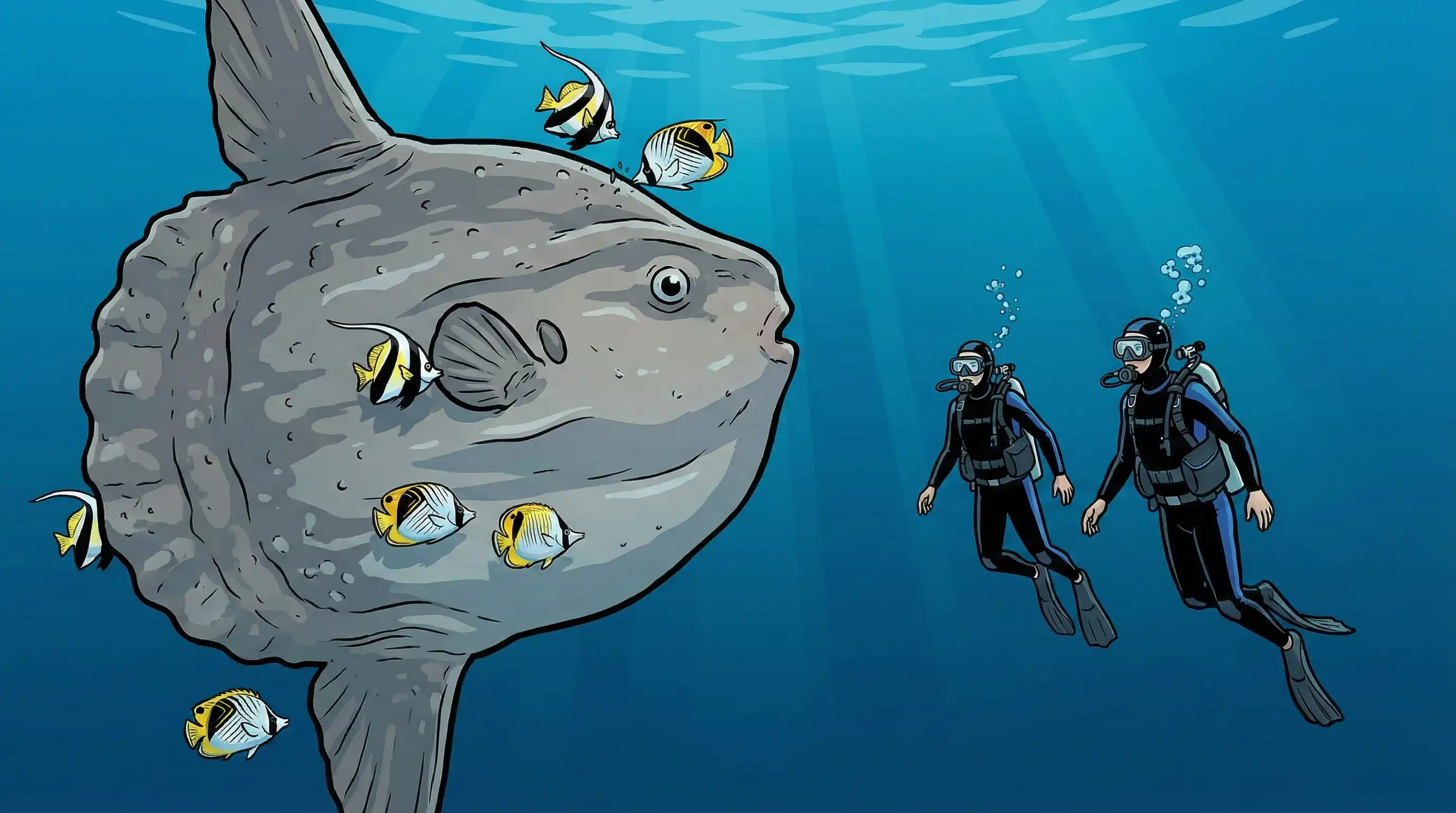
Understanding Mola Mola Bali Season
Mola mola season is the time of year when oceanic sunfish come to shallow reef cleaning stations throughout Bali's islands. Divers can see them while scuba diving at depths of 18 to 40 meters. This periodic event turns Bali into a global hotspot for watching these prehistoric-looking fish, bringing in a lot of money for the tourism industry in the area.
Oceanographic Drivers
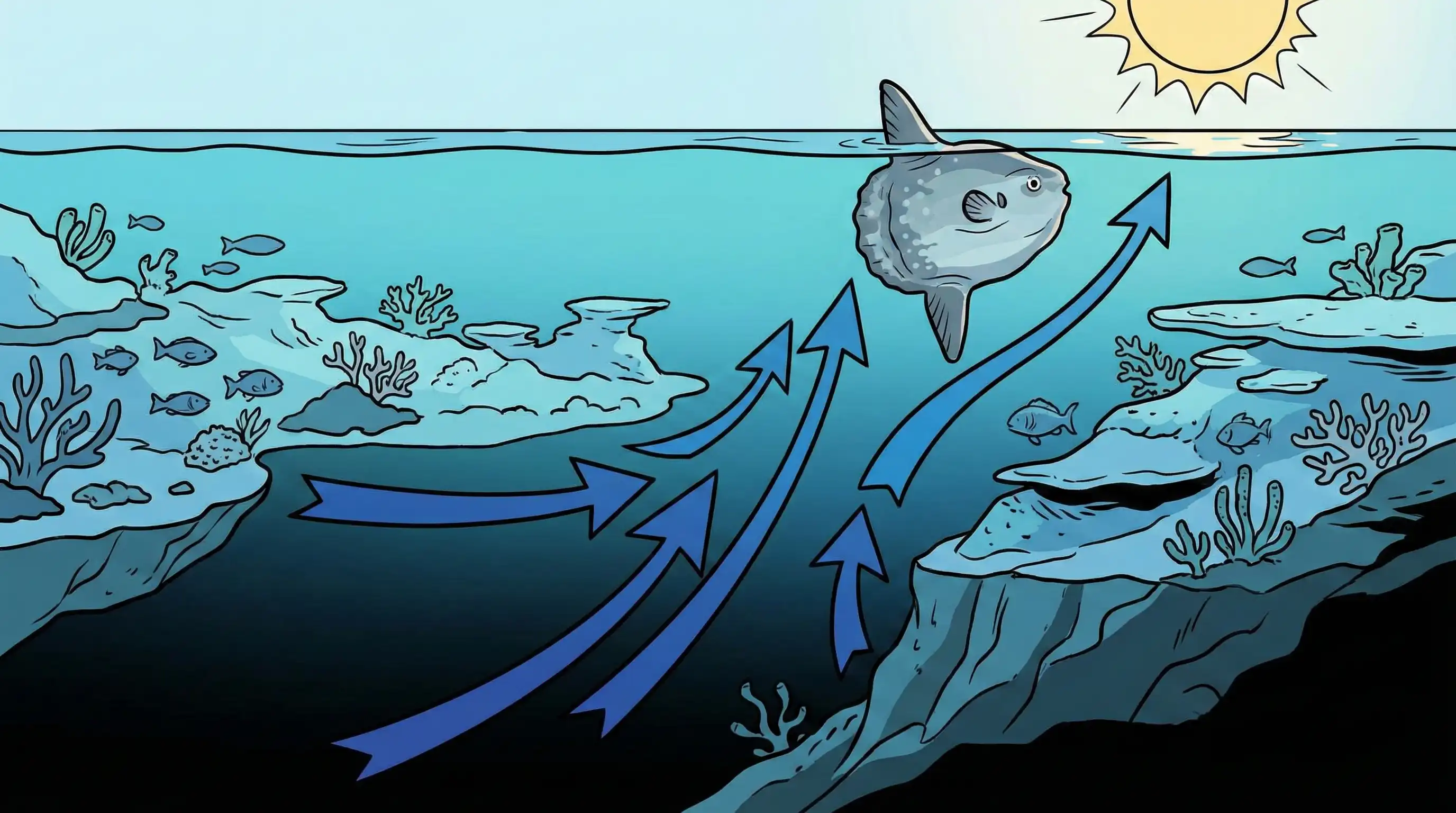
The southeast monsoon brings cold water up from the Indian Ocean, which pushes nutrient-rich currents down the southern coast of Nusa Penida. This is why we observe Mola in Bali. This event causes the water temperature to drop a lot, perhaps down to 13–14°C along exposed shores. This is very different from the warm tropical waters of Bali.
These chilly water circumstances make the thermoclines that cause mola mola to act differently. Upwelling not only changes the temperature, but it also brings in more nutrients, which helps the jellyfish populations that are the main food supply for sunfish all over the world.
Species Behavior Patterns
During this time, the bump head sunfish, or Mola alexandrini, moves from deep seas to reef cleaning stations. These gentle giants usually live at depths of 100 to 600 meters, but they move up when cold upwelling makes shallow waters bearable.
The link between cold water and surface activity has to do with how to deal with ectoparasites. While living in the deep water for a long time, sunfish pick up parasites. They then swim to cleaning stations where cleaning fish, including longfin bannerfish, get rid of the parasites while the mola bask to keep their body temperature stable. Because of this tendency, divers can expect to see them at certain times and depths.
Seasonal Timing and Peak Periods
Based on these oceanographic and behavioral elements, certain months have different circumstances and sighting chances that directly affect how guests encounter mola mola Bali.
You can see the mola mola Bali starting in May, but the odds of seeing them are higher when the water is colder.
In the past, there has never been a year when people didn't witness the Mola Mola in Bali. However, there have been years when the water was too warm and the Mola Mola were not very many.
July - Season Opening
Early in the season, mola mola Bali can be seen from time to time when the water temperature starts to decrease from its yearly highs. In July, the upwelling gets stronger, and the first mola in Bali start to show up at known cleaning stations like Crystal Bay.
Because there are less tourists during the opening time, it's easier to go to diving sites and there is less rivalry for boat scheduling. In late July, dive operators say there is around a 60% chance of seeing something, which makes it possible for customers who are okay with some uncertainty to go when there are less people.
August-September - Peak Season
The best times to see mola mola are in August and September, when the chances of success are highest. The water temperature decreases to 13–17°C, which is perfect for sunfish to stay in shallower water for a long time.
During these busy months, the most tourists want to stay puts a lot of pressure on hotels to book rooms. A lot of divers arrange their travels around this time, and places surrounding dive spots are almost full because they want to view the Mola in Bali. Crystal Bay and Blue Corner are the most popular places to go diving in Bali.
October - Season Closing
October is marked by fewer sightings as the water temperature rises and the seasonal upwelling weakens. During the transition phase, you never know what will happen. Some days are just as good as peak season, while other days you don't see anything.
For flexible tourists who are willing to take a lower chance in exchange for lower prices and fewer people looking for Mola mola Bali, October is a good time to go. By the end of October, most sunfish move to deeper waters or leave reef systems altogether.
Regional Variations and Dive Site Specifics
Location-specific information, together with seasonal scheduling, helps hotel providers improve visitor experiences and business collaborations.
Crystal Bay Seasonality
Crystal Bay is the main cleaning station for mola mola Bali, and the best time to see them is from July to October. The northwest coast of Nusa Penida has a little island bay with depths of around 30 meters where reef fish clean sunfish.
To dive for Mola mola Bali, you need to have Advanced Open Water certification or a lot of expertise. The bay's exposure to open water makes the thermocline conditions that sunfish like, but it also makes the currents more dangerous, therefore an experienced dive leader should be in charge.
Nusa Penida vs Nusa Lembongan Access
| Factor | Nusa Penida | Nusa Lembongan |
|---|---|---|
| Proximity to sites | Direct access to Crystal Bay, Blue Corner | Short boat rides to primary sites |
| Accommodation style | Developing infrastructure, boutique options | Established resorts, diverse range |
| Guest experience | Rugged island adventure, closer to dive sites | More polished amenities, easier transport |
| Transportation | Longer ferry from mainland, limited internal roads | Quick ferry access, better road network |
Nusa Lembongan has better places to stay and still has good boat access to the best mola mola Bali dive locations. Nusa Penida is close to good diving spots, however the visitor services aren't as good as they may be.
Gili Mimpang, Tepekong and Biaha in Padang Bai
You can also observe mola mola at dive spots like Gili Mimpang, Tepekong, and Biaha, which are off the east coast of Padang Bai. These places give divers greater chances to see the huge sunfish outside of the more well-known locations of Nusa Penida diving and Nusa Lembongan.
The currents here can be strong or change quickly, so only divers with an Advanced Open Water certification or above and at least 50 logged dives can go to the Mola Mola Bali diving spots.
Monthly Demand Patterns
| Month | Sighting Probability | Tourist Demand | Water Temperature |
|---|---|---|---|
| July | Moderate (60%) | High | 18-22°C |
| August | Very High (85%) | Peak | 13-17°C |
| September | Very High (85%) | Peak | 13-17°C |
| October | Moderate (50%) | Declining | 17-22°C |
The mola mola season runs from July to October, with the best time to book accommodations and set prices being August and September. Cold water upwelling makes it possible for the mola mola Bali to dive to depths that are safe for tourists, which is a predictable demand that smart operators can take advantage of.

How to Dive Responsibly with the Mola Mola Bali
Diving with the mola mola, or marine sunfish, is a lot of fun, but you need to be careful and show respect for these gentle giants to keep yourself and them safe. When you dive with mola mola Bali, there are certain important rules to follow and things to avoid. The most important thing to know is that the Mola Mola in Bali is quite shy. They can be scared away easily by sudden, dramatic movements or by getting too close.
Maintain a Respectful Distance
It's tempting to approach closer to the mola mola to see it better or take a picture, but you should always stay a safe and polite distance. Approaching too closely can startle the fish, causing it to swim away and potentially disrupting its natural behavior.
When divers are calm and keep their cool, they can watch the mola mola in Bali come extremely close to them.
Avoid Touching the Fish
Don't ever try to touch or hold onto a mola mola. Their skin is thin and covered in a protective coating of mucus that can be readily destroyed by touch, making them more likely to have diseases and parasites.
Do Not Chase or Harass
It's bad for the fish and stressful to chase or follow a mola mola closely to gain a better look or photo. Instead, stay cool and allow the fish come to you if it wants to. Diving safely makes the experience better for everyone.
Refrain from Using Camera Flash
Flash photography can confuse and bother mola mola and other sea creatures. Use natural light or the right underwater lighting without a flash to take pictures of your memories without hurting them.
Minimize Bubble Noise and Sudden Movements
Mola mola don't like loud noises or quick movements. Don't blow too many bubbles near the fish, and move gently and smoothly to lower the tension on the animal and improve your chances of having a calm, close encounter.
Follow Your Dive Guide’s Instructions
Experienced dive guides know how mola mola Bali behave and what the diving conditions are like in the area. Always pay close attention to their safety briefings and advice to make sure that you and the marine life are safe and respectful when diving.
By following these easy but vital regulations, you help protect mola mola and keep Bali's reputation as a top place to go for responsible and enjoyable mola mola diving experiences.
Summary
From July to October, with the best sightings in August and September, the mola mola Bali season gives divers a chance to see the ocean sunfish, the world's biggest bony fish, notably around Nusa Penida and Nusa Lembongan. Cold water from the Indian Ocean rises to the surface during this time of year, bringing nutrient-rich currents that draw the mola mola, also known as the bump head sunfish, to shallower cleaning stations in Bali where divers can see them.
Visitors and Bali dive centers may make the most of their time during this exciting season by learning about the ocean conditions, how different species behave, and the details of the dive sites in the area. Diving safely and responsibly, including keeping a respectful distance and following the dive leaders' advice, keeps both the divers and these gentle giants safe and healthy.
Bali is still one of the best places in the world to go mola mola diving. Crystal Bay and Blue Corner are two of the top dive spots for seeing these fish. The Nusa Penida Marine Protected Area also helps with study and protection. Planning your vacation around the mola mola Bali season will guarantee you wonderful experiences with these prehistoric-looking fish among colorful coral reefs and a wide range of marine life, no matter how experienced you are as a diver.