

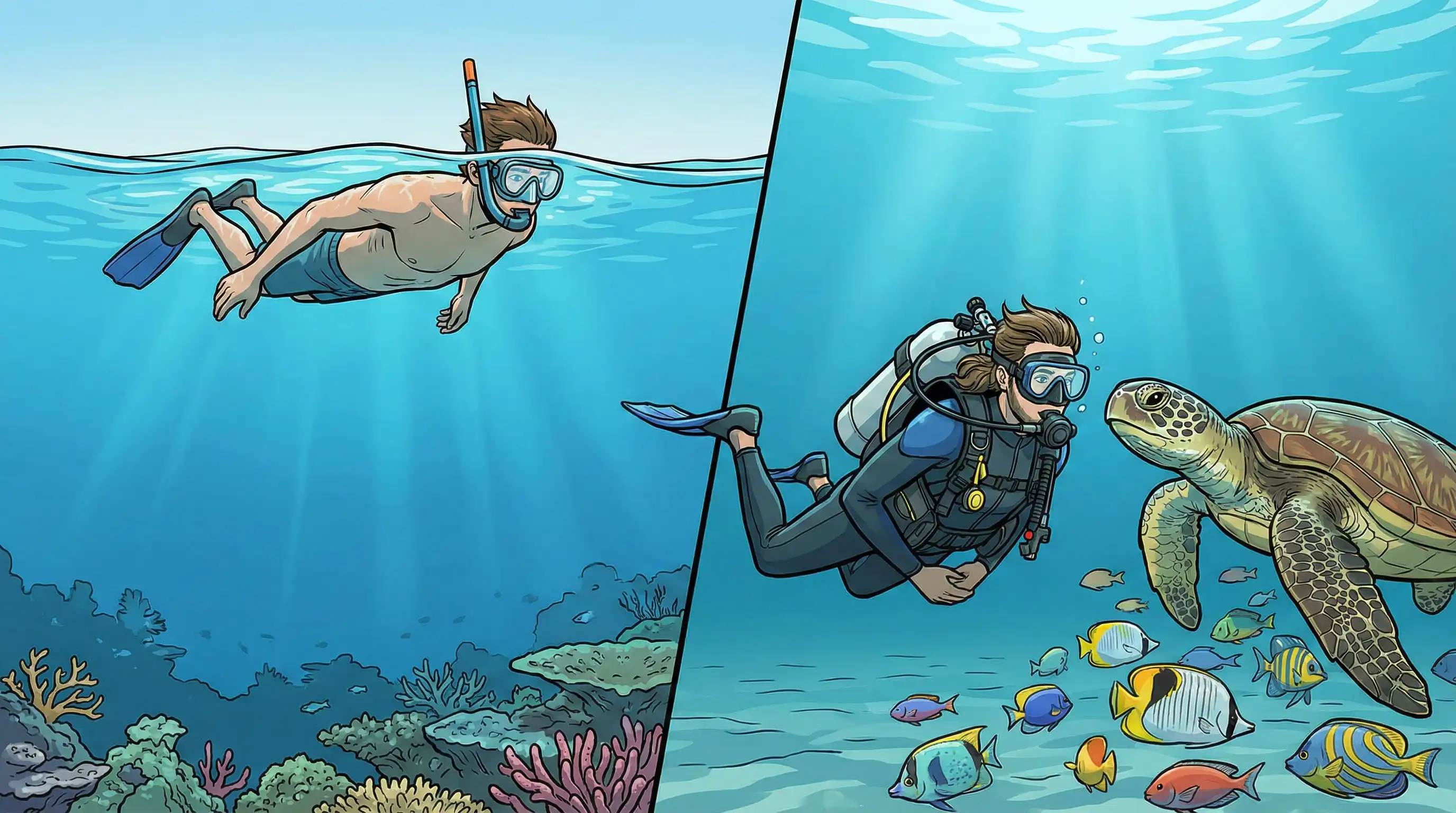
Snorkeling vs diving are two different ways to observe the undersea world, and each offers travelers a different way to interact with marine life. When you snorkel, you float on the surface of the water and breathe via a snorkel tube. This lets you see shallow seas from above. You need special gear to do scuba diving that lets you breathe underwater and stay underwater for longer periods of time.
This article has all the information that hotel guests, vacation planners, and people who like to do water sports need to know about snorkeling and scuba diving. It includes information about equipment, training, safety, and pricing comparisons. For hospitality businesses, knowing these variances helps them find activities for guests that are appropriate for their skill levels, vacation schedules, and adventurous choices.
Snorkeling in Bali is a great way to explore the surface without having to do a lot of planning. All you need are basic swimming skills and modest gear. Scuba diving requires more training, but it lets you explore underwater ecosystems that snorkelers can't. If you want to encounter deep water with colorful coral reefs and marine life, scuba diving is the way to go.
Understanding Snorkeling vs Diving Differences
Both snorkeling vs diving let people see marine life, but they do it in quite different ways. Knowing these basic ideas helps people who are on vacation or planning a holiday choose the best aquatic activity for them.
Snorkeling Fundamentals
When you snorkel, you swim close to the surface of the water and breathe through a tube that sticks out above the waterline. While doing this, your face stays underwater and you can breathe through your nose and mouth at the same time. This lets you see coral reefs, tropical fish, and shallow marine habitats from above.
Snorkeling is one of the easiest water sports for people staying at the resort to do. Families with kids, casual adventurers, and people who don't have a lot of time can all enjoy snorkeling after just a few minutes of instruction. The activity doesn't need any special training, only a few pieces of equipment, and it's great for people who like snorkeling to other, more difficult underwater sports.
Scuba Diving Fundamentals
Scuba diving (Self-Contained Underwater Breathing Apparatus) lets divers breathe underwater with a regulator that is attached to a tank of compressed air. You can stay underwater for 30 to 45 minutes at depths of 60 feet or more, depending on your certification level. This is different from snorkeling.
People who like adventure tourism and are prepared to pay for the right training and certification are interested in scuba diving. Many scuba divers say that the experience changes them. Diving further into the underwater realm shows marine life, underwater tunnels, and settings that you can't see from the surface.
Knowing these basic differences can help you think about the more practical things like equipment, training, and safety that will help you decide which activity is best for your holiday plans.
Equipment and Gear Requirements
The difference in equipment between snorkeling and scuba diving is one of the most important ones that affects how easy it is to get to, how much it costs, and how long it takes to be ready for a trip.
Essential Snorkeling Equipment
Most holiday rentals and tour companies offer snorkeling gear that is simple and light.
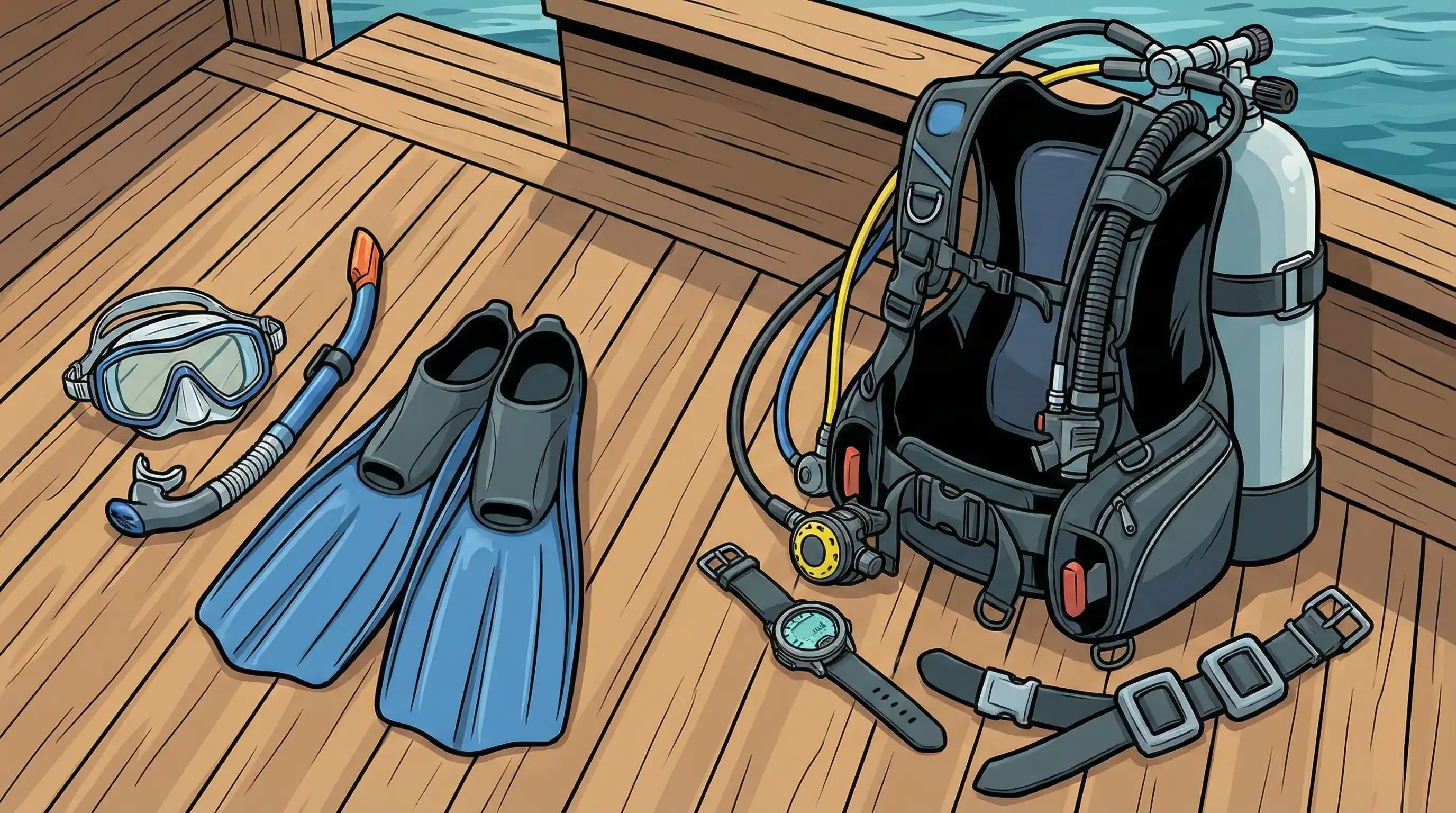
- Diving mask: Covers eyes and nose to maintain clear underwater vision
- Snorkel tube: L or J-shaped breathing tube allowing surface breathing while face remains submerged
- Swim fins: Optional propulsion aids for easier movement through water
- Wet suit: Optional thermal protection for cooler water conditions
- Reef safe sunscreen: Essential protection for extended surface exposure
Many modern snorkels come with "dry snorkels" that have automatic sealing systems that keep water out while you go underwater for a short time. This small amount of gear packs conveniently in luggage, so hotel guests can easily go snorkeling. Most beach resorts and companies that provide snorkeling trips rent out gear, so you don't have to buy your own for occasional use.
Scuba Diving Equipment Essentials
Scuba gear includes a lot more specialized gear, and each part is very important for safety underwater:
- Scuba tank/air tank: Pressurized steel or aluminum cylinder containing breathable air supply
- Regulator: Controls airflow from tank to diver, releasing gas on inhalation
- Buoyancy control device (BCD): Vest that manages buoyancy underwater and during ascent/descent
- Dive computer: Tracks depth, dive time, remaining air, and decompression status
- Weight belt: Achieves neutral buoyancy to counteract wet suit flotation
- Diving mask and swim fins: Similar to snorkeling but often higher quality
- Wet suit or drysuit: Thermal protection required for most diving conditions
Extra scuba gear might include underwater lights, a waterproof camera for taking pictures of marine life, and special tools for things like cave diving or researching shipwrecks.
Cost and Portability Considerations
| Factor | Snorkeling | Scuba Diving |
|---|---|---|
| Equipment Cost | $50-150 for personal set | $1,000-3,000+ for full kit |
| Rental Availability | Widely available at resorts | Requires reputable dive center |
| Portability | Fits in carry-on luggage | Requires checked baggage or on-site rental |
| Setup Time | 2-3 minutes | 15-30 minutes |
Snorkeling is a great way to plan a vacation because it's easy to get to and can be done on the spur of the moment. You need to plan ahead for scuba diving, either by carrying your own gear or by working with local dive operators who keep their gear in good shape.
Training Requirements and Certification Processes
The difference in training between snorkeling and scuba diving has a big impact on how soon people can do either activity while staying at a hotel.
Snorkeling Skill Development
You don't need any special training to go snorkeling, so guests with basic swimming skills can do it right away. Most people who travel can go snorkeling following a short orientation that covers:
- Proper mask fitting and defog techniques
- Breathing through the snorkel tube while keeping face submerged
- Clearing water from snorkel after brief submersion
- Basic fin kicks for efficient movement
- Safety awareness regarding marine life and boat traffic
Snorkeling is safe for kids, elders, and anybody who is comfortable in shallow water because the learning curve is easy for families. Guests at the hotel can usually go on a snorkeling tour the same day they arrive, and they don't need to plan beforehand.
Scuba Diving Certification Process
You need to get the right training and certification from well-known groups like PADI (Professional Association of Diving Instructors) or NAUI before you can go scuba diving. There are several steps to become a qualified diver:
Discover Scuba/Try Dive: A 2-4 hour introduction allowing supervised shallow dives without full certification—ideal for testing interest during vacation.
Open Water Certification: The standard entry-level certification includes:
- Classroom/online theory sessions (8-12 hours)
- Confined water practice in pools (4-8 hours)
- Open water dives with diving instructors (4-6 dives)
The total time commitment is at least three to five days, but some visitors finish their theory online before their trip to get the most diving time. Advanced certificates let experienced divers go to deeper seas and do things like night diving or technical diving.
Activity Comparison Table
| Criterion | Snorkeling | Scuba Diving |
|---|---|---|
| Certification Required | No | Yes |
| Training Time | 15-30 minutes | 3-5 days minimum |
| Swimming Ability | Basic competency | Strong recommended |
| Age Restrictions | Generally none | Usually 10-12+ years |
| Same-Day Participation | Yes | Only with Discover Scuba |
| Skill Progression | Self-directed practice | Structured certification levels |
Snorkeling is a great way for people who don't have a lot of vacation time to get right into undersea fun. If you want to go on long journeys or come back to the same place, getting scuba diving certification could be a good investment for future diving adventures.
Depth, Duration, and Exploration Capabilities
Snorkeling and scuba diving offer very different underwater experiences in terms of how deep you may go, how long you can stay underwater, and the kinds of marine life you could see.
Snorkeling Depth and Time Limits
When you hold your breath for short dives, snorkeling happens from the surface of the water down to around 10 to 12 feet. When you snorkel on the surface, you can keep breathing without going below the range of the snorkel tube.
Duration limits are good for snorkelers because they can snorkel for hours as long as they can handle the heat and don't become too tired. If you get tired, just stand up and rest as you tread water. A life jacket or vest gives less confident swimmers extra safety, which lets them snorkel for longer periods of time in clear seas.
The surface view gives you great views of shallow reefs, colorful tropical fish, and sea turtles that live in warm coastal areas. From this posture, you may see vivid coral reefs quite well in the best snorkeling spots across the world.
Scuba Diving Depth and Duration
Recreational scuba diving lets beginning divers go down to 60 feet, and with better gear and training, they can go much deeper than 100 feet. This depth range shows marine ecosystems that can't be seen from the surface.
But the amount of oxygen available limits dive time to 30 to 45 minutes per dive, depending on depth, intensity of effort, and how well you breathe. Scuba divers need to keep an eye on how much oxygen they have left at all times and come up with enough reserves. Deep dives that go deeper than 80 ft may only last 20 to 30 minutes since they use more air.
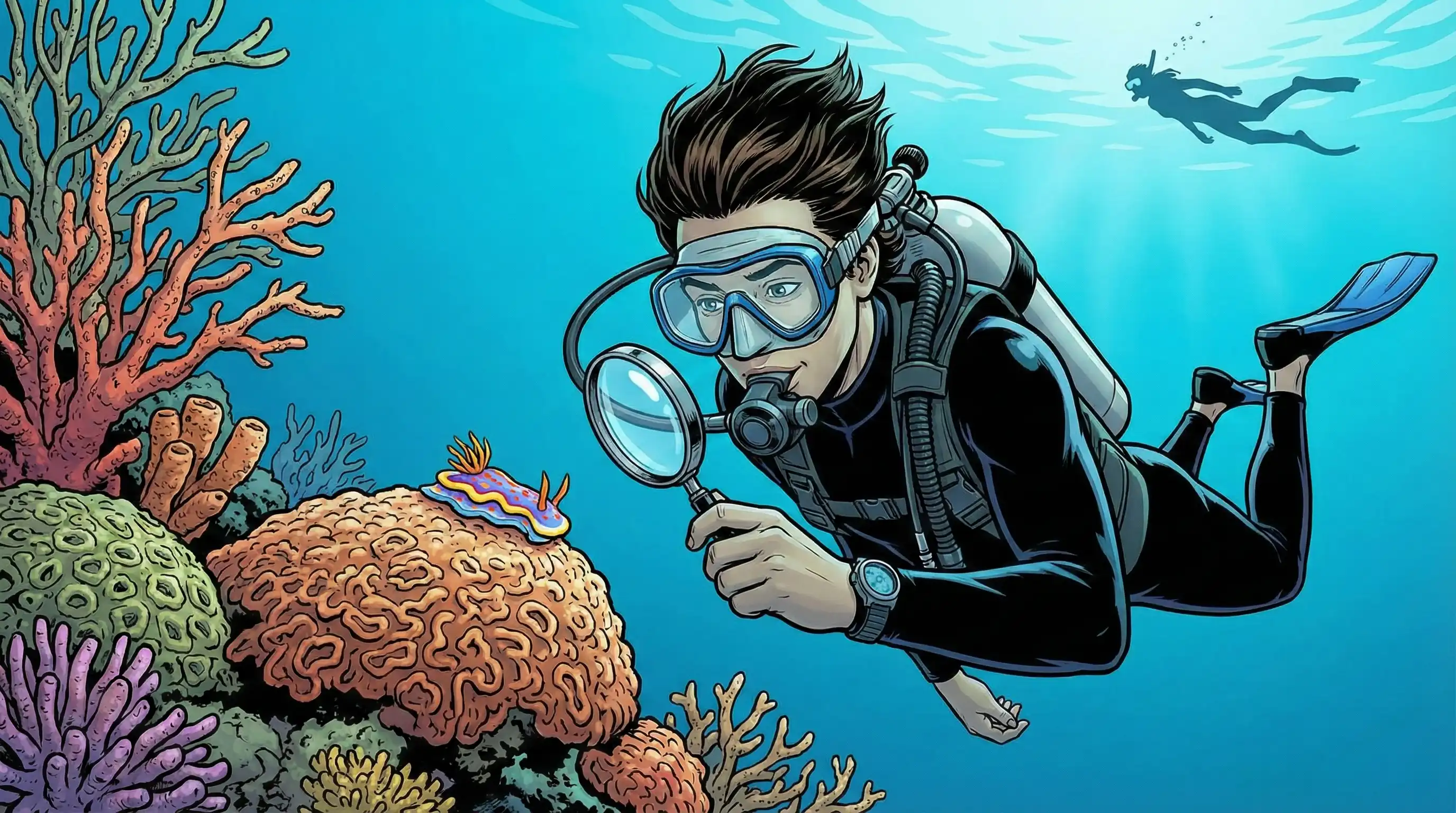
You can do things that aren't possible while snorkeling, such hovering still next to a coral wall, exploring underwater caverns, or watching marine life behavior over time, because you can stay underwater at certain depths for long periods of time.
Marine Life Encounter Differences
Snorkelers and scuba divers both see amazing marine life, however the kind of animals and the experiences are very different:
Surface and Shallow Waters (Snorkeling):
- Reef fish in shallow coral formations
- Sea turtles grazing in seagrass beds
- Rays in sandy coastal areas
- Smaller reef sharks in some locations
Deeper Waters (Scuba Diving):
- Larger pelagic species including reef sharks
- Schooling fish in deeper water columns
- Unique creatures adapted to lower light conditions
- Access to shipwrecks and their resident marine populations
Scuba diving lets photographers get closer to their subjects and stay still, which gives them results that surface observation can't equal. When you scuba dive, you become part of the underwater world instead of just looking at it from above.
Common Challenges and Solutions
For beginners, both snorkeling and scuba diving can be hard. Knowing what problems people usually have helps hotel guests be ready for fun undersea adventures.
Equipment Discomfort and Mask Issues
Masks that don't fit right can be uncomfortable and let water in, which ruins the experience for both snorkelers and scuba divers. Before you get in the water, make sure the mask is sealed by putting it to your face without the strap and breathing through your nose. It should stay in place. To keep your lens from fogging up as you dive, put defogger or saliva on the inside and rinse it off quickly.
Make sure the snorkel mouthpiece fits well and doesn't make your jaw tired when you use it. Adjust the straps on the fins so they fit snugly without cutting off circulation.
Swimming Ability Concerns
Many people who might like to participate are worried since they don't know how to swim well. If you use a life vest or buoyancy aid while snorkeling, you can float easily and look at marine life without having to swim all the time. Begin in shallow water where you can stand to gain confidence before advancing to deeper water.
One of the safety rules for scuba diving is to use the BCD to manage buoyancy. This means that once you're underwater, being able to swim is less important than relaxing and using the right technique. However, swimming on the surface in full diving gear demands a certain level of fitness, so it's important to know how to swim before you start certification training.
Panic and Breathing Difficulties
Different activities require different ways of breathing. Snorkeling lets you breathe naturally via your mouth, but a lot of novices are scared to breathe with their face underwater. First, practice in quiet, shallow water to become used to the beat before going on snorkel trips to deeper locations.
To get the most oxygen and keep buoyancy control while scuba diving, you need to take steady, deep breaths. Fast breathing can make tanks run out of air quickly and make people anxious. During training, diving instructors stress the need of relaxing techniques. Gradually moving up through the levels of certification improves confidence in handling underwater scenarios.
What's Next
Snorkeling is a great way for families, casual explorers, and visitors with little time to explore the surface. You can start snorkeling just a few hours after arriving at a resort. Scuba diving lets you explore marine habitats in deep water that you can't see from the surface. It requires certification, but the experiences you have underwater will change you.
To choose your underwater adventure:
- Assess your swimming ability honestly—basic skills work for snorkeling, stronger competency benefits scuba diving
- Consider your vacation timeline—snorkeling works for any trip length, while scuba diving certification requires 3+ dedicated days
- Research local operators at your destination for equipment rental and guided experiences
- Book appropriate activities in advance, especially for Discover Scuba programs or certified diving excursion options
Both snorkeling in clear waters above shallow reefs and diving deeper into the undersea world with complete scuba gear allow guests to see amazing marine life. You might also look at underwater photography techniques, how to protect marine life at diving spots, and how to get better at advanced water sports like free diving.