Komodo destination guide
Tauchen Komodo Insel
Komodo National Park blends UNESCO-listed reefs, dramatic underwater topography, and reliable big-animal encounters. This guide explains what makes Komodo Island diving exceptional, which sites define a trip, how water conditions vary, when visibility and seas are most predictable, where divers base themselves, and how certification fits a visit in 2026.

Why Komodo is a world-class diving destination
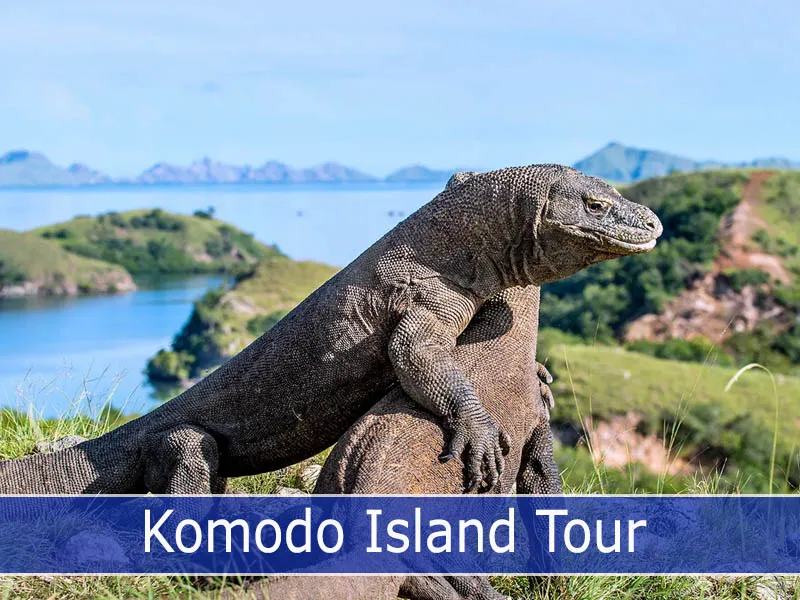
Komodo sits at the heart of the Coral Triangle, where the Pacific and Indian oceans exchange water through narrow passages. That geography drives nutrient-rich currents across walls, pinnacles, and channels—feeding dense fish schools, sharks, rays, and healthy hard and soft coral. Above water, the park is famous for Komodo dragons; below, it is equally celebrated for reef architecture and pelagic traffic in surprisingly compact geography.
Divers come for variety in a single itinerary: gentle slopes for macro and turtles one morning, then exposed pinnacles with ripping current and apex predators the next. The mix of Indonesian archipelago logistics—mainly boat access from Flores—adds adventure without requiring remote expedition planning on the scale of some Pacific destinations. For many visitors, Komodo represents the sweet spot between accessibility and wild, current-fed diving.
Top dive sites: Batu Bolong, Castle Rock, Crystal Rock, Manta Point, Shotgun

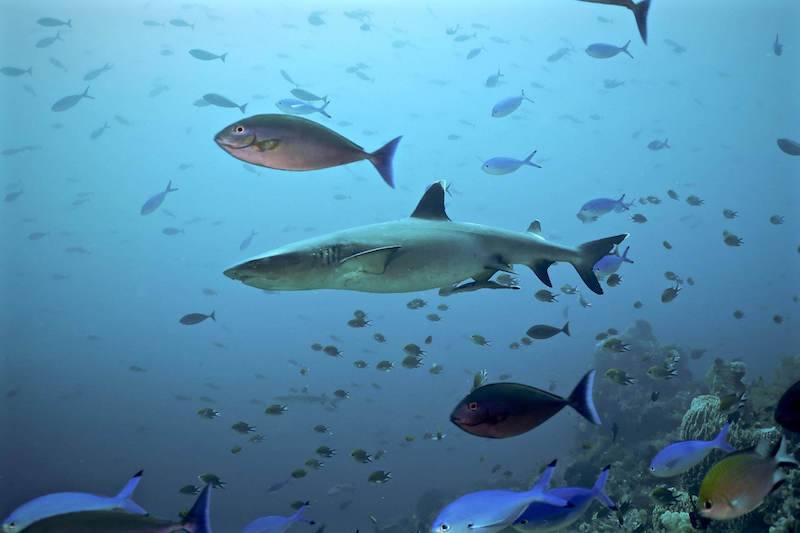
Batu Bolong is the iconic pinnacle between Komodo and Tatawa: sheer walls, huge coral coverage, and dense fish biomass, with currents that demand solid skills and briefing discipline. Castle Rock and Crystal Rock are offshore pinnacles known for schooling fish, jacks, trevally, and shark patrols when the tide runs—wide-angle diving at its most kinetic.
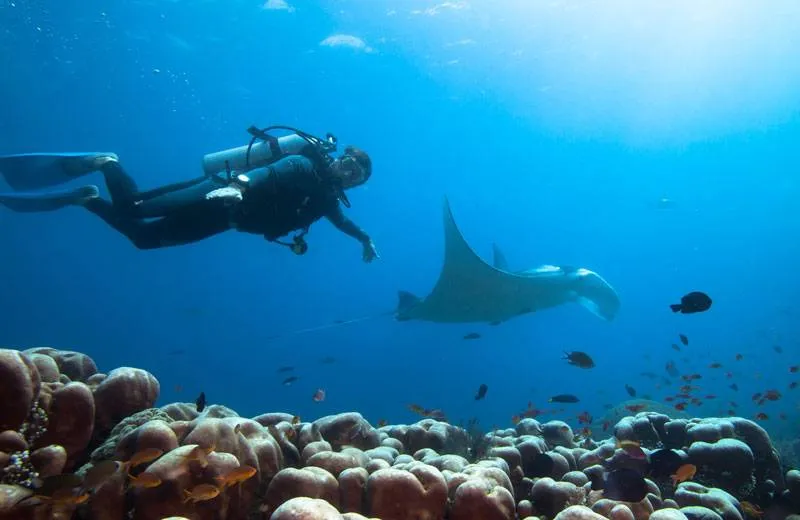
Manta Point (Karang Makassar) is Komodo’s headline manta drift: shallow rubble and sand where cleaning stations attract reef mantas; patience and neutral buoyancy matter more than depth. Shotgun (often dived near Gili Lawa Darat) is a channel famous for fast water—divers may use reef hooks or careful positioning to watch grey reef sharks and big fish in the flow. Together, these names anchor most “classic Komodo” route planning; local guides match sites to tide tables and recent observations, not only to a fixed checklist.
Marine biodiversity: what makes Komodo diving unique

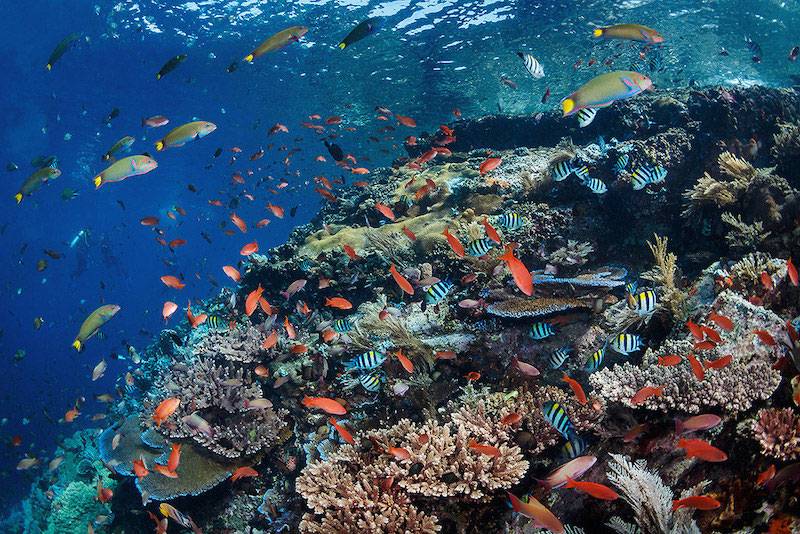
Park waters host hundreds of coral species and fish families—from pygmy seahorses and flamboyant cuttlefish on rubble slopes to oceanic mantas and seasonal whale visitors in blue water. The juxtaposition of volcanic islands, deep basins, and narrow straits creates distinct habitats within short boat rides: muck-style critter sites, sea-grass turtle areas, and current-washed bommies in the same week.
What feels uniquely “Komodo” is the combination of Coral Triangle richness with big-fish theatre driven by current. You are not choosing only between pretty reefs or only pelagic action; the same park routinely offers both, depending on site selection and conditions. That ecological range is a core reason underwater photographers and naturalists rank Komodo alongside Raja Ampat or Sulawesi while still fitting many standard liveaboard or day-boat schedules.
Dive conditions: currents, temperatures, visibility, and skill levels

Currents are the defining variable. Tidal exchange through Komodo’s channels can produce mild drifts or powerful alongshore flow; exposed pinnacles may see down-current components or uneven water behind structure. Good operators plan dives around slack or favorable phases and adjust when surface chop or surge increases risk.
Water temperature is typically tropical—often roughly 26–29°C depending on season and thermoclines—so a full suit still makes sense for comfort on multi-dive days. Visibility is frequently excellent in the dry season but can vary with plankton blooms (sometimes associated with manta activity) or runoff after heavy rain. Skill levels span the park: sheltered bays suit newer divers, while Batu Bolong, Castle Rock, Crystal Rock, and Shotgun are widely treated as advanced experiences requiring recent diving practice, buoyancy control, and honest communication about comfort in moving water.
Best time for diving in Komodo

The dry season, broadly April through November, is the most popular window: seas are often calmer and visibility more predictable for planning back-to-back boat days. December through March—the wet season—can still deliver outstanding diving; plankton may reduce clarity at times, yet this period is traditionally associated with strong manta activity when food is abundant in the water column.
Month on the calendar matters less than daily sea state and tide. Building several buffer days into a Komodo trip improves the odds of visiting signature sites in acceptable conditions. Flexibility is normal for serious Indonesia diving, and Komodo is no exception.
Where to stay for diving: Komodo Resort, Labuan Bajo, and liveaboards

Most divers stage from Labuan Bajo on Flores, the gateway town with an airport and harbor. Hotels range from budget guesthouses to upscale waterfront properties; day boats run regular circuits into the park, making Labuan Bajo the default hub for shorter trips. Some divers prefer a resort closer to the park—for example operations on Komodo-adjacent islands such as Komodo Resort—to shorten daily sea crossings and focus on house reefs and nearby sites when weather allows.
Liveaboards remain the classic way to maximize site variety: multi-day itineraries string together north and central Komodo highlights, with more time on the water and fewer repeated harbor runs. The right choice depends on budget, susceptibility to motion, and how many days you want offshore versus exploring Flores topside. None of these options changes the park’s core rule: diving is boat-based, organized, and conducted within national park regulations that protect the ecosystem.
Getting certified in Komodo: PADI courses available
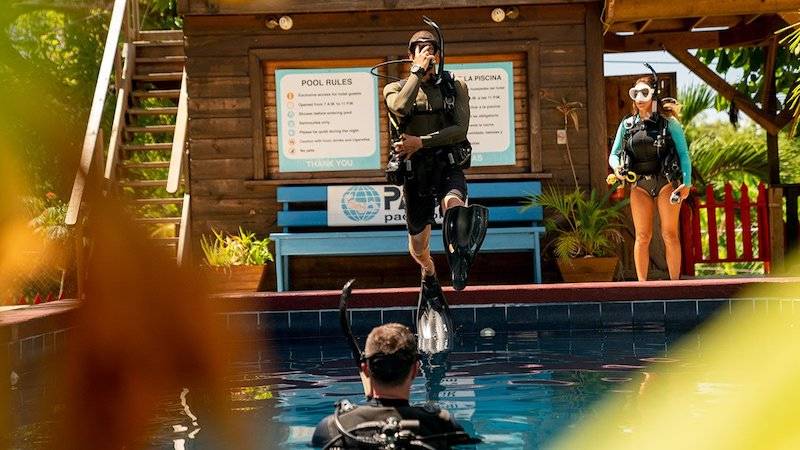
Komodo supports the full recreational training ladder: introductory experiences in controlled conditions, PADI Open Water Diver for entry-level certification, and continuing education such as Advanced Open Water, Nitrox, Deep, and Rescue tailored to currents and boat protocols common in the region. Training is not an abstract classroom exercise—confined and open water sessions unfold on real Indonesian reefs where buoyancy, navigation, and safety habits matter immediately.
New divers should expect conservative site selection until skills and comfort match Komodo’s variable water movement; experienced visitors often arrive with Advanced certification and recent dives specifically to unlock pinnacle and channel sites. Whatever your starting level, aligning certification history with honest self-assessment keeps the focus on enjoyment and risk management in one of the world’s most rewarding marine parks.
Haeufig gestellte Fragen
Weitere Tauchguides fuer Komodo
Schließen Sie sich mehr als
1,000+ monatliche Gäste
Aus aller Welt zu uns für Tauchen, PADI-Kurse, Schnorcheln und Freediving.