Komodo
Komodo Snorkeling
Komodo National Park is as rewarding from the surface as it is underwater. Shallow reefs, manta cleaning stations, and protected bays create some of Indonesia’s most memorable snorkeling—without needing scuba gear. This guide covers where to go, what you will see, how conditions vary, and how to snorkel safely in a park known for strong currents and remote islands.
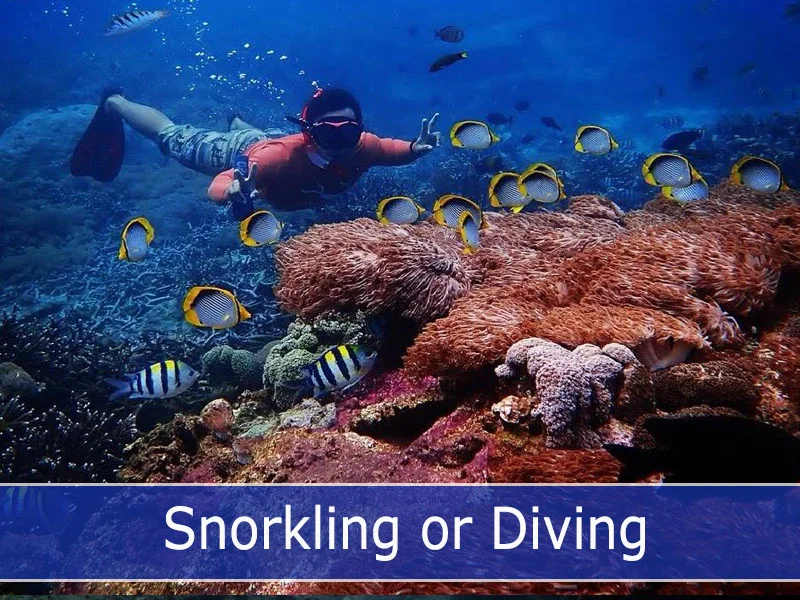
Overview — snorkeling in Komodo National Park
Komodo National Park protects a chain of volcanic islands between Flores and Sumbawa. Most visitors arrive through Labuan Bajo, then reach the park by day boat or multi-day vessel. Snorkeling here means drifting over coral gardens, swimming above manta ray feeding lanes, and floating above sea turtles in calm bays—often in the same itinerary as land visits to see Komodo dragons.
The park's geography creates contrasting environments: wind-swept channels with plankton-rich water attract mantas, while leeward bays stay glassy and beginner-friendly. National park fees and ranger rules apply; staying on marked routes, not touching coral or wildlife, and following your guide's briefing keep both you and the reef safer.
You do not need prior scuba experience to enjoy Komodo snorkeling, but you should be honest about your comfort in open water and moving boats. Many sites are drift snorkels where the boat follows the group—an efficient way to cover distance without fighting the current.
Best snorkeling spots — Manta Point, Siaba Besar, Tatawa Besar, Pink Beach
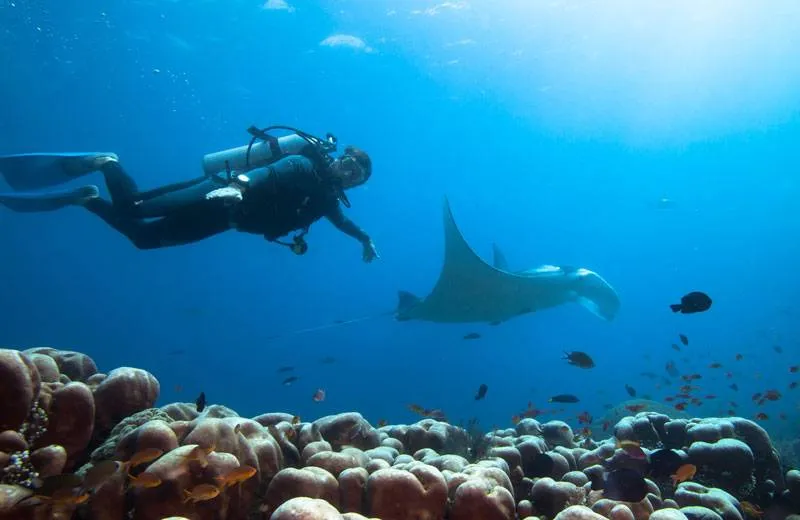
Karang Makassar (Manta Point)is the park's most famous shallow channel for reef and oceanic manta rays. Snorkelers drift over a rubble and sand bottom where mantas circle cleaning stations. Sightings are frequent by global standards but never guaranteed; calm seas and good briefings make the experience safer for everyone.
Siaba Besar, often nicknamed "Turtle City," offers gentle slopes inside a broad bay. Green and hawksbill turtles are common, along with reef fish over mixed coral. It is a strong choice when wind or swell makes exposed sites uncomfortable.
Tatawa Besar features colorful coral gardens in relatively shallow water, with a mix of drift and relaxed finning along the reef top. Macro life—shrimp gobies, nudibranchs—rewards slow, careful observation.
Pink Beach (Pantai Merah) combines iconic pink-tinged sand with snorkeling just offshore over coral patches and fish schools. It is popular and can be busy; arrive with realistic expectations about beach crowds and boat traffic, especially midday.
Marine life you'll encounter — manta rays, turtles, coral, tropical fish
The big draws are manta rays at cleaning stations and feeding areas, and sea turtles— especially at sheltered sites like Siaba Besar. Reef sharks, eagle rays, and schooling trevally or fusiliers often appear in the blue or along drop-offs.
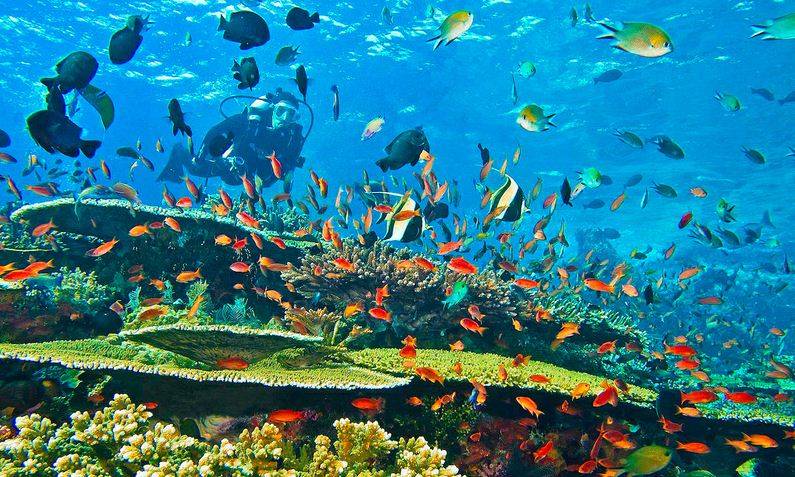
Coral cover ranges from healthy hard and soft coral gardens to rubble zones where fish concentrate around isolated heads. Expect classic Indo-Pacific biodiversity: angelfish, butterflyfish, parrotfish, anemonefish, and seasonal visitors tied to water temperature and plankton.
Wildlife behavior changes with tides and season. Plankton-rich water may reduce visibility but can increase manta activity; clearer water often suits wide-angle photography and relaxed snorkeling on calmer days.
Snorkeling conditions — water temperature, visibility, currents
Surface water temperatures in Komodo typically range from roughly 26–29 °C (79–84 °F) depending on season and depth of the thermocline. A thin wetsuit or rash guard adds sun protection and warmth after long sessions.
Visibility varies widely—on clear days in the dry season it may exceed 25–30 metres in open water; during plankton blooms or rain runoff it can fall to 10 metres or less. Channels and tide changes can stir particulates; morning sessions often look clearer than late afternoon.
Currents are the main variable for snorkelers. Some sites are mild; others become strong, unpredictable flows. Never snorkel alone in the park, stay with your group, conserve energy, and signal the boat if you feel tired. Surface waves and wind chop also matter: what feels easy near the jetty can feel exposed offshore.
Best time for snorkeling in Komodo
Many travellers favour the dry season (often roughly April–November) for calmer seas, sunnier skies, and more predictable boat schedules. That window aligns with peak tourism—popular sites are busier, but operators run daily and conditions favour longer surface intervals.
The wet season can still deliver excellent snorkeling: fewer boats, lush landscapes, and occasional glass-calm mornings. Rain and reduced visibility are more likely; flexible timing helps if weather windows shift.
For manta-focused trips, plan multiple days in the park rather than relying on a single afternoon. Tides and moon phase influence currents; local crews adjust sites daily based on real-time observations—not only the calendar month.
Tips for snorkelers — equipment, safety, what to expect
Use a well-fitting mask and snorkel; consider fins sized for endurance, not sprinting. Defog your mask, practice clearing it in calm water, and avoid standing on coral—fin kicks can damage fragile organisms even without direct contact.
Sun protection: reef-safe mineral sunscreen, a hat on the boat, and UV clothing reduce burn risk during long surface intervals. Hydrate between sites; dehydration sneaks up in tropical heat and wind.
Safety: listen to the full briefing, know the pickup point, and watch surface boat traffic. Do not chase wildlife; maintain distance from mantas and turtles so they can behave naturally. If you are not a confident swimmer, say so before entering the water—guides can suggest gentler sites or offer flotation aids where appropriate.
Expect full days: early starts, several hours on the water, and possible motion on the ride home. Pack seasickness remedies if you are prone, protect electronics in dry bags, and bring a reusable water bottle when operators allow it.
Haeufig gestellte Fragen
Entdecke mehr in Komodo
Schließen Sie sich mehr als
1,000+ monatliche Gäste
Aus aller Welt zu uns für Tauchen, PADI-Kurse, Schnorcheln und Freediving.