

PADI diving in Bali offers world-class underwater adventures that are validated by certification standards that are recognized across the world. The island is in the middle of the Coral Triangle, which makes it one of the most biodiverse marine areas in the world.
This blog article has information about PADI courses for beginners and professionals, the best places to dive around Bali's coast, and useful tips for arranging your scuba diving trip to Bali. This resource meets your needs whether you're a first-time scuba diver looking for certification, a certified diver arranging diving trips in Bali, or a hospitality expert who wants to learn more about how diving works in the area.
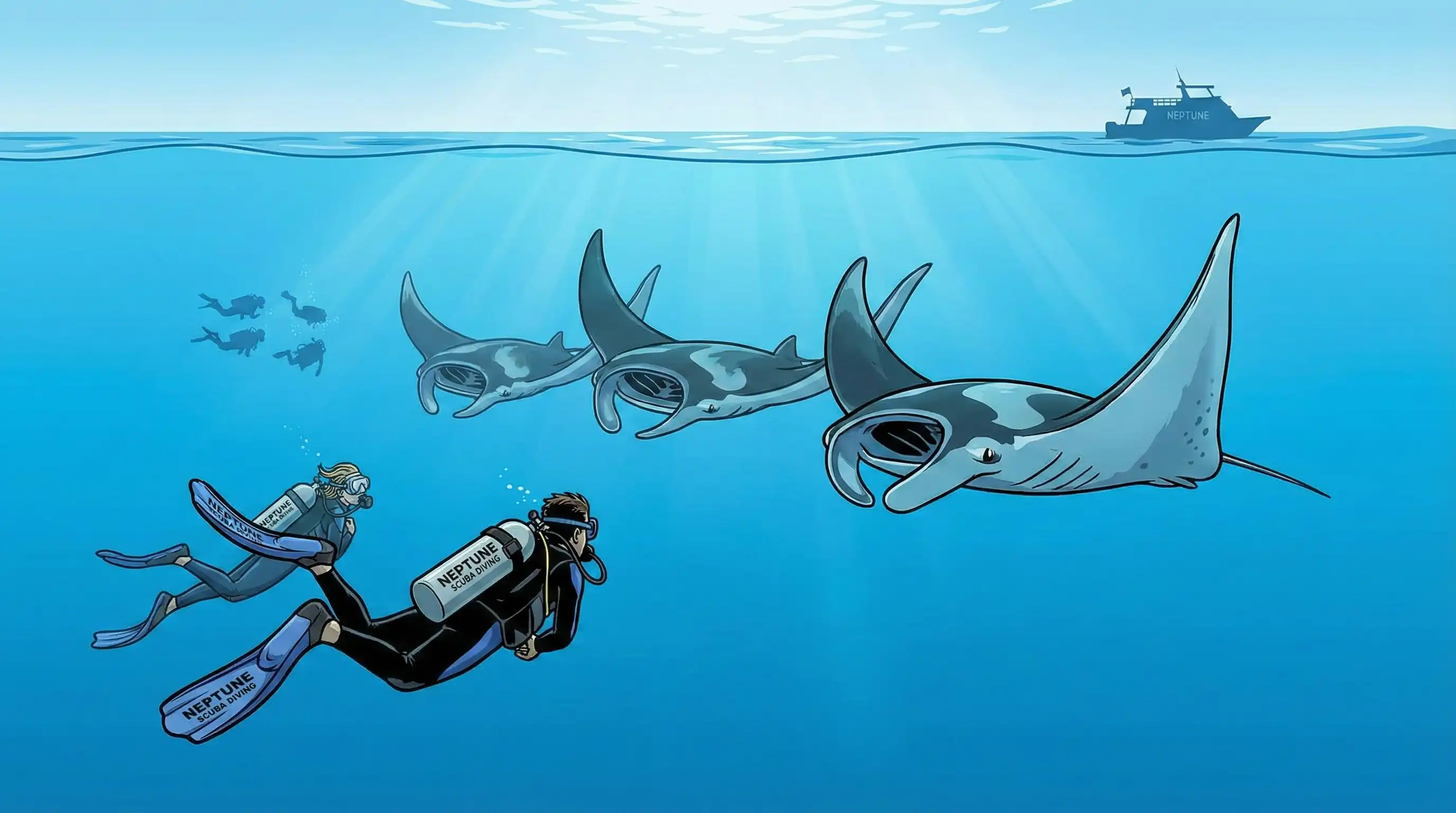
With a PADI certification in Bali, you can explore a wide range of underwater environments, from the famous USAT Liberty Wreck in Tulamben that you can reach from the shore to the manta rays that glide through clear waters in Nusa Penida. You will also earn credentials that are recognized at dive centers and all scuba diving programs around the world.
PADI Certification in Bali
PADI (Professional Association of Diving Instructors) is the world's largest organization that gives out recreational diving certifications. It has given out more than 28 million certifications around the world. With a PADI certification, you can scuba dive in dive shops and facilities in 186 countries. Your Bali training gives you diving rights anywhere in the world.
Bali is a great place to take PADI courses since the water stays between 26 and 30 degrees Celsius all year round. This means you don't need to wear thick wetsuits, which makes learning more pleasant. The island's varied terrain, which includes black sand beaches, steep cliffs, quiet bays, and currents affected by the Lombok Strait, creates a variety of training situations that help divers learn all the skills they need.
PADI Course Levels Available
Discover Scuba Diving is a one-day, non-certification program that teaches total beginners how to breathe underwater. This scuba diving program is for people ages 10 and up. It starts in a pool or other small body of water and can go as deep as 12 meters in open water. According to industry data, 50–70% of participants go on to complete certification courses, making it a great way to get into the undersea world without a lot of commitment.
The Open Water Diver certification is still the most popular PADI certificate in the world, making up more than 70% of all certifications. This diving training lets you dive alone with a friend to a depth of 18 meters. In Bali, the course usually takes 3 to 4 days and includes theory, pool training, and four open water dives at places like Padang Bai or Tulamben.
Advanced Open Water extends on what you've already learned and certifies dives to 30 meters over five adventure dives. The advanced open water course includes required deep and navigation dives, as well as optional dives that are specific to Bali's unique conditions. For example, drift diving is good for Nusa Penida's strong currents, and wreck penetration is good for the Liberty Wreck.
Professional paths like Divemaster course in Bali and Instructor Development turn those who dive for fun into professionals in the field. These programs include months of instruction, more than 60 logged dives, and internships at five-star PADI facilities.
Certification Process in Bali
Theory learning is flexible because you can do PADI e-learning modules before you arrive or go to a regular classroom at the dive center of your choice. E-learning saves you around a day of time on the island, which is helpful if your trip schedule is tight.
Training in a pool or other controlled body of water helps you learn basic abilities. Before you go into open water, you'll learn how to clear your mask, recover your regulator, control your buoyancy, and swim up in an emergency. Sessions usually happen on the first day of hands-on training.
The practical demonstration portion of the certification is open water dives. The Open Water Diver course needs four dives, however the PADI Scuba Diver course just needs two dives and is shorter (it only certifies you to dive 12 meters under professional supervision). Different dive centers have different locations. For example, Sanur's quiet reefs are good for beginners, whereas Tulamben's Liberty Wreck is better for more experienced divers.
The time it takes to get certified as a scuba diver might be as little as two days or as long as three to four days for complete open water completion. The advanced open water course takes 2–3 more days. Depending on how the internship is set up, professional training can last for weeks or months.
Best PADI Diving Bali
Your level of certification will determine which of Bali dive sites you can visit. Knowing what the site needs helps you figure out which courses will bring you to your desired destinations.
East Coast Diving Locations
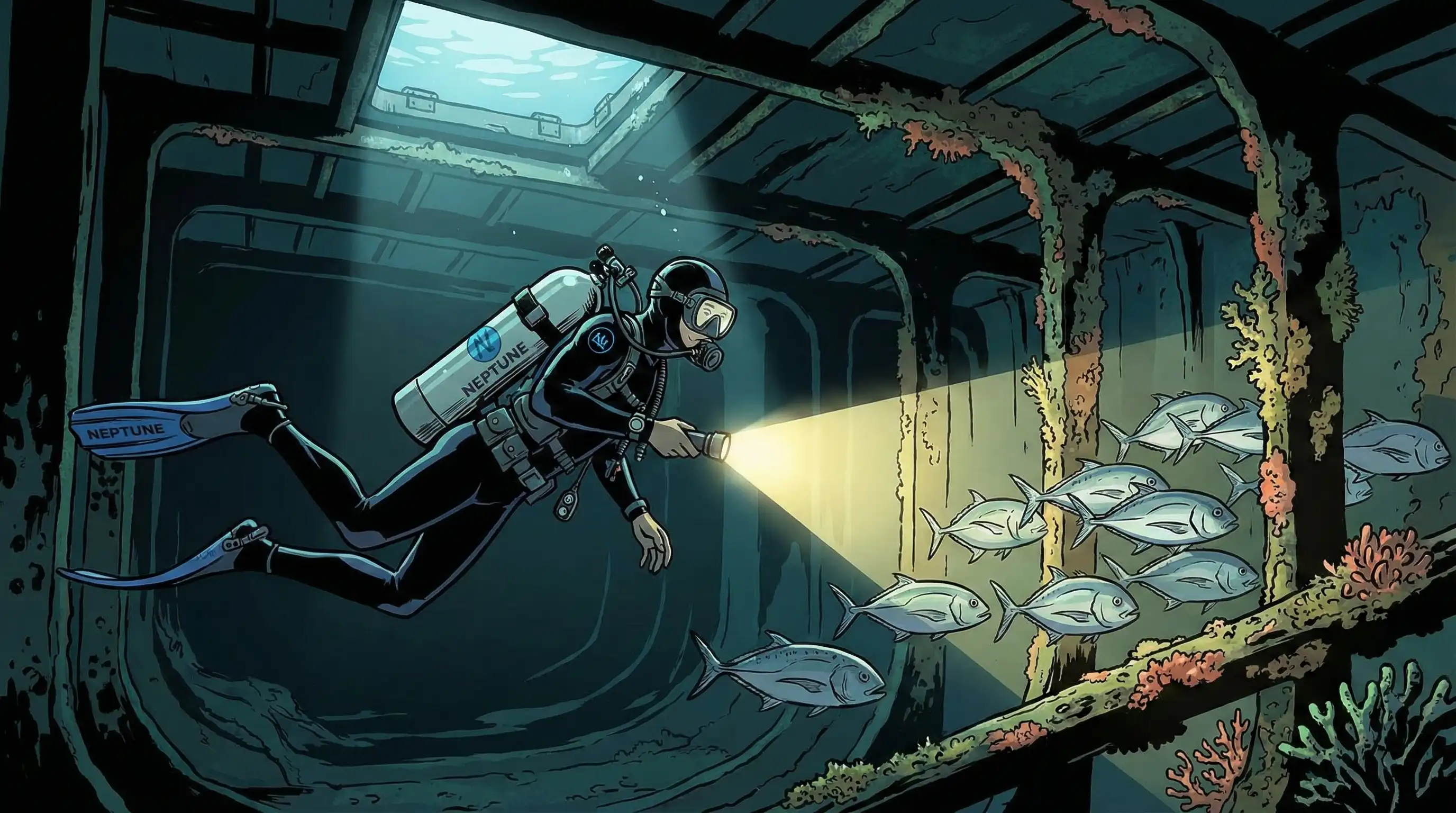
The USAT Liberty Wreck near Tulamben is a World War II American cargo ship that sank in 1942. Every year, thousands of divers come to see it. The wreck is 5 to 30 meters deep and may be reached immediately from the shore. It is good for Open Water certified divers in shallower areas. Coral growth has turned the structure into an artificial reef full with reef fish, schools of barracuda, and even bump-head parrotfish from time to time. Because it's easy to get to, this site is a popular choice for training dives on the second day of Open Water courses.
The coral reefs in Amed are great for beginners because the water is tranquil and the slopes are mild, going down to 30 meters. The colorful reefs are home to nudibranchs and frogfish, which are great for underwater photography practice. Shore entry alternatives make planning easier by getting rid of boat logistics.
Padang Bai (sometimes spelled Padang Bay) has two main sites. Blue Lagoon has tranquil waters that are great for training, while Bias Tugel has more difficult terrain that helps you improve your skills. Many dive facilities offer certification classes here because the visibility is always good and it's simple to get to from places in south Bali like Sanur, Kuta, and Seminyak.
Nusa Penida Advanced Diving
Manta Point is a great place to see oceanic manta rays swimming around cleaning stations. It's a spectacular experience that makes the trip worth it. You need to use a boat to get to the place, which is off the southern coast of Nusa Penida, and you need to be able to handle moderate currents. It is highly suggested that you get your Advanced Open Water certification, however confident Open Water divers can go to the site with the help of a professional.
Crystal Bay has manta rays and the major attraction, mola mola (ocean sunfish), which can be seen from July to October when the weather is dry. These strange-looking fish that may grow up to 3 meters long attract divers from all around the world. The site requires respect because thermoclines can rapidly lower temperatures and currents can change without warning.
Drift diving is the most popular thing to do on Nusa Penida. When currents of up to 4 knots sweep you across the dive site, it is important to release a surface marker buoy (SMB). The advanced open water course drift diving specialty gets you ready for these kinds of circumstances.
North Coast Options
Menjangan Island in West Bali National Park has stunning wall diving that goes down to more than 60 meters, as well as coral gardens that are clear at shallower depths. The marine park's protected status keeps visibility quite high, typically more than 30 meters. The island is farther away from the main tourist spots, thus it isn't as busy as places in the south.
Pemuteran is the best place to dive on the north shore. It has night diving trips and chances to take macro photos. The Bio-Rock artificial reef project here is a great example of marine conservation in action. It's a great complement to any diving vacation.
Secret Bay, which is close to Gilimanuk, has black sand diving that is different from other places since it has imitation octopuses, sea horses, and rare nudibranchs. This type of muck diving is very different from Bali's coral reef adventures, which are popular with photographers and marine life lovers.
PADI Course Implementation and Planning
Choosing the right course and Bali diving center will affect your whole certification experience. This part gives you an organized way to make these choices.
Course Selection Process
Finding the right training for your present level of experience keeps you from becoming frustrated and helps you learn the most:
- Assess current diving experience and goals — Discover Scuba or Open Water are good places for complete beginners to start. Advanced Open Water is for certified divers who want to go deeper. People who want to learn certain abilities, like wreck diving or night diving, choose specialization courses.
- Choose a certified PADI dive center in Bali — Look for sites that have 5-star ratings, small student-to-instructor ratios (2:1 or private for a better experience), and that are related to your interests. There are a lot of centers in Sanur, Canggu, Tulamben, and Padang Bai.
- Schedule theory and practical components — Finish your e-learning before you get there to make the most of your water time, or arrange classroom days into your trip. Book your classes early during the dry season (May to October), which is when dive shops fill up quickly.
- Complete certification requirements and documentation — Bring in your completed medical questionnaires, make sure you meet the minimum age criteria (10 for juniors and 15 for full certifications), and be ready for knowledge evaluations and skill demonstrations.
Cost and Duration Comparison
| Course | Duration | Typical Cost (USD) | Certification Level |
|---|---|---|---|
| Discover Scuba | 1 day | $150-200 | None (experience only) |
| PADI Scuba Diver | 2 days | $350-400 | 12m with supervision |
| Open Water Diver | 3-4 days | $450-550 | 18m independent |
| Advanced Open Water | 2-3 days | $450-500 | 30m with specialties |
| Rescue Diver | 3-4 days | $450-500 | Emergency response |
| Divemaster | 4-8 weeks | $1,500-2,500 | Professional guiding |
You can save 20–30% by scheduling Open Water and Advanced Open Water courses together instead of separately. Some diving facilities include lodging, so week-long study packages are a great option for tourists on a budget.
For certified divers, fun dives usually cost between $150 and $250 for a two tank Bali diving trip. There are discounts for packages that include more than one dive. Places like Nusa Penida charge a lot because of the cost of boats and the distance.
Frequent Issues and Solutions
If you know what common worries are ahead of time, you can plan around them to have a great time for your fun dives in Bali diving.
Language Barriers
International PADI centers have instructors who speak many languages. All of them speak English, and at larger centers, they also speak German, French, Japanese, and Mandarin. When you make a reservation, be sure the language is available.
PADI's e-learning resources are available in many languages, so you can finish the theory in your native language before doing the practical training with an instructor who speaks your language or clear English.
A good PADI instructor will change how they talk to you based on what you need. When choosing a Bali diving center, ask about the instructors' experience and areas of expertise.
Equipment and Logistics
Rental gear at well-known dive shops matches professional standards. Course prices include tanks, regulators, BCDs, wetsuits, and computers. It's more comfortable to bring your own masks and fins, but it saves space in your suitcase for other things.
When you book a diving lesson, transportation from Kuta, Seminyak, or Nusa Dua to the dive locations is often included. Check what is included when you book, because places like Tulamben are 2–3 hours away by car from southern tourist destinations.
If you need a boat to get to a spot, make sure the boat has safety gear and knows when it will leave. Afternoon dives at Nusa Penida let you travel in the morning without having to get up early.
Weather and Season Timing
The best time to see mola mola is during the dry season, which runs from April to October. The seas are calm, visibility is good (15–30 meters), and mola mola sightings are reliable from July onward. October is a great time to dive before the monsoon season starts.
During the monsoon months (December to March), visibility drops to 5 to 10 meters and the seas get rougher, yet diving still happens at protected sites. The shore entry at Tulamben avoids problems with boats, while the sheltered harbor at Pemuteran stays open.
If you know when you're going to travel, don't wait for the perfect weather. Experienced dive shops know which spots are good no matter what time of year it is. Instead of canceling plans, ask for suggestions.
What's Next
PADI Bali diving is a top scuba diving destination since it is in the Coral Triangle and has a full range of PADI infrastructure, from beginner programs to professional training. PADI certification opens up new adventures at Bali's many dive locations, from your first time breathing underwater at a Sanur pool to drifting next to manta rays at Manta Point.
Your immediate action steps:
- Determine your target certification level based on current experience and goals
- Research PADI 5 star dive centers in your preferred Bali area
- Book e learning if choosing online theory completion
- Schedule course dates with your selected dive shop
- Complete medical questionnaires and arrange dive insurance
Some related topics that are worth looking into are digital underwater photography classes that teach you how to take pictures of Bali's marine life, technical diving that goes beyond recreational limits, and marine conservation programs that help restore reefs and are becoming more common at dive centers that care about the environment.
Additional Resources
PADI Center Selection Criteria:
- 5 Star rating confirming quality audits
- Maximum 2:1 or 4:1 student ratios for training courses
- Sites matching your certification goals
- Positive reviews mentioning instructor quality
Seasonal Marine Life Calendar:
- Manta rays: Year-round at Manta Point, peak June-October
- Mola mola: July-October at Crystal Bay
- Whale sharks: Occasional sightings March-April
- Reef fish diversity: Consistent throughout the year
Essential Packing Checklist:
- Completed PADI medical questionnaire
- Certification card (if continuing education)
- Reef-safe sunscreen
- Motion sickness medication for boat trips
- Underwater camera (optional)
Safety Resources:
- DAN (Divers Alert Network) insurance: Recommended for all divers
- Sanglah Hospital (Denpasar): Nearest hyperbaric chamber
- PADI emergency contact: Available through your dive center
The first step in your PADI Bali diving trip is to choose to start. The water is waiting, the training is easy to get to, and the memories will last a lifetime.