Diving Nusa Penida: Manta Point & Mola Mola
Diving Nusa Penida offers world-class diving that puts you face-to-face with manta rays and the hard-to-find oceanic sunfish (mola mola) in waters full of marine life.

Discover insights, tips, and stories about scuba diving in Indonesia. From Bali to Komodo and beyond.
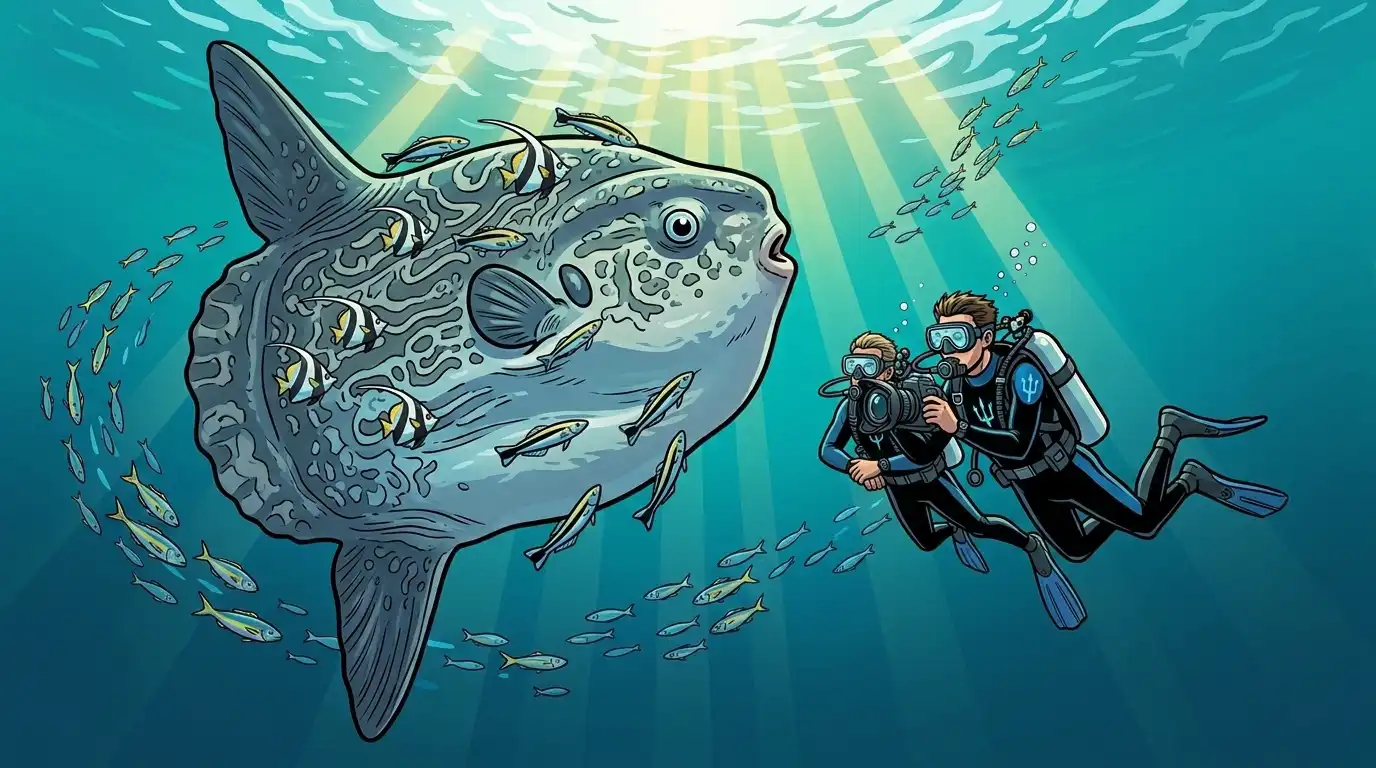
Diving Nusa Penida offers world-class diving that puts you face-to-face with manta rays and the hard-to-find oceanic sunfish (mola mola) in waters full of marine life.
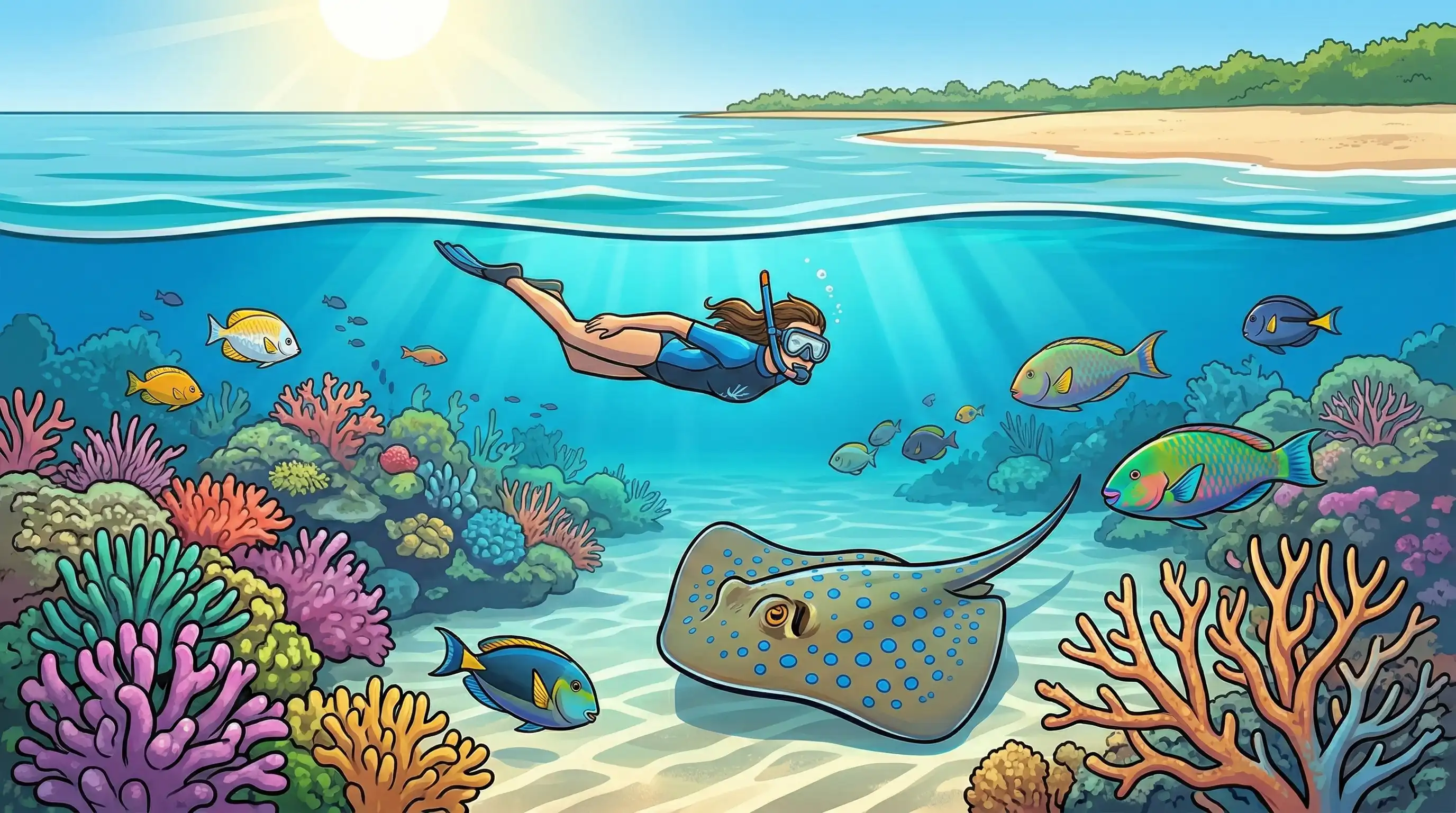
Sanur snorkeling is one of the easiest ways to see undersea life in Bali. The protected reef waters make it easy for families and beginners to see a lot of marine species just a few steps from the shore.


Bali is Indonesia's most popular tourist spot, with over 6 million people visiting each year to see its beautiful beaches, holy temples, and interesting culture.

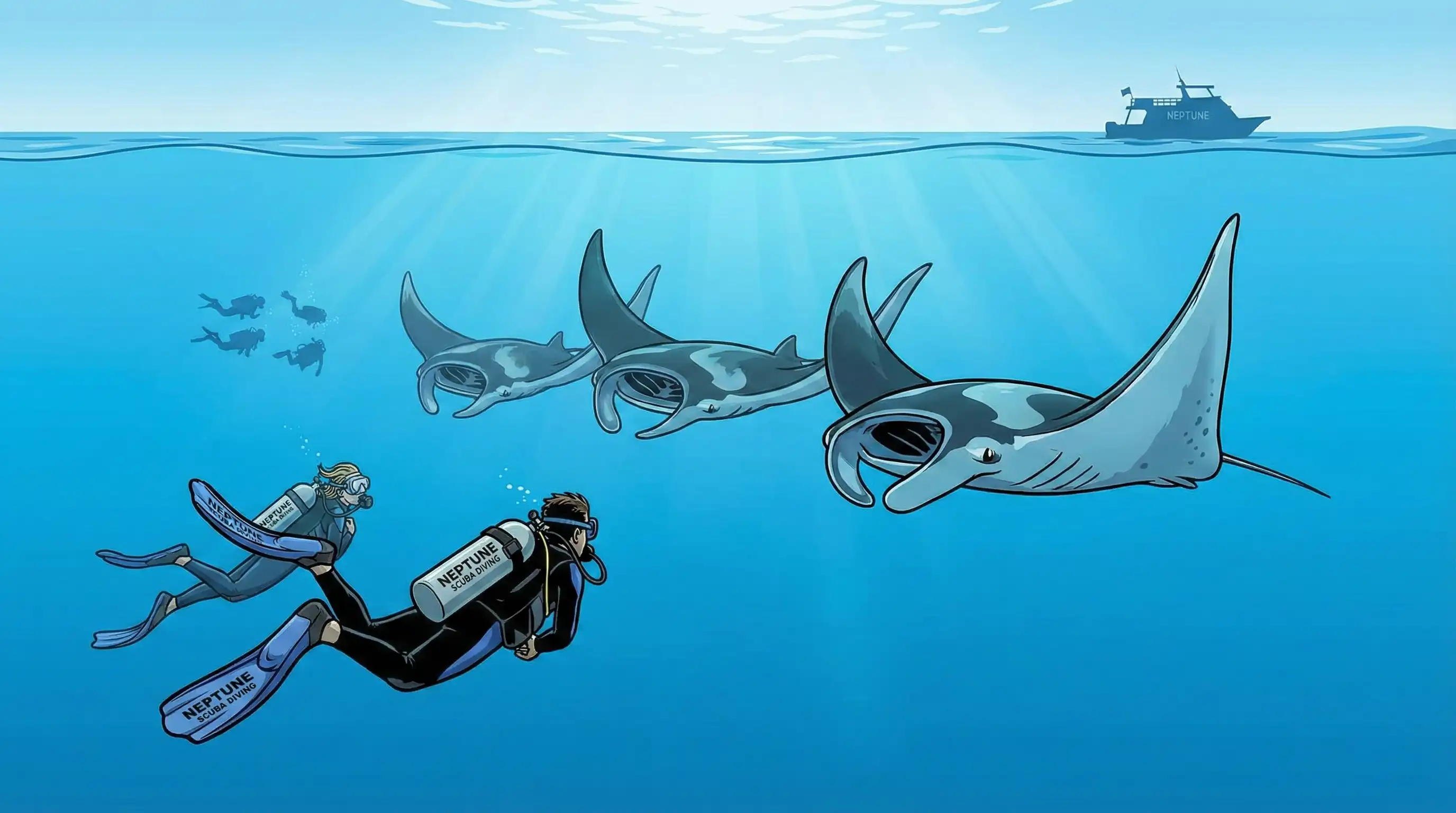
PADI diving in Bali offers world-class underwater adventures that are validated by certification standards that are recognized across the world.

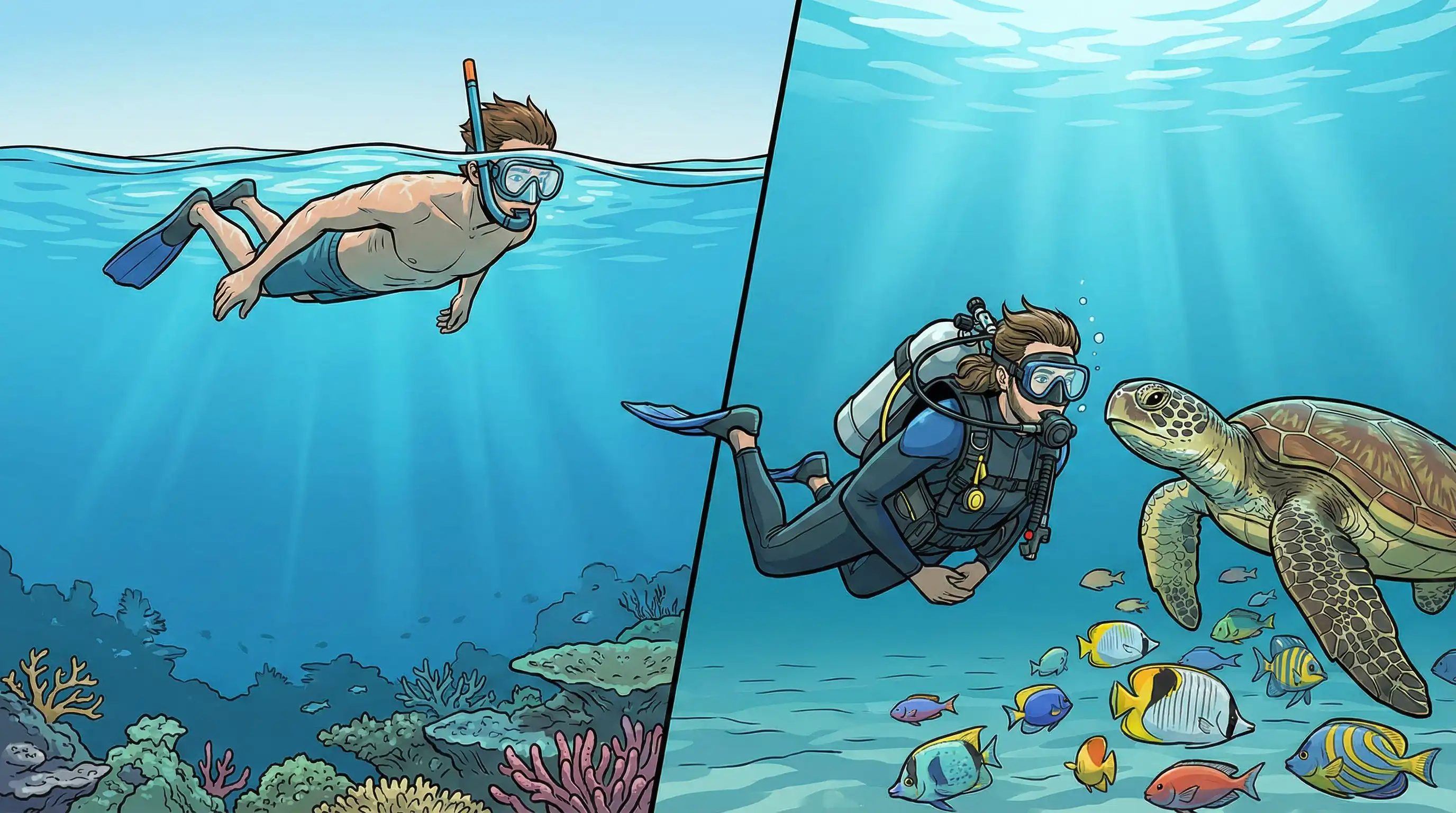
Snorkeling vs diving are two different ways to observe the undersea world, and each offers travelers a different way to interact with marine life.

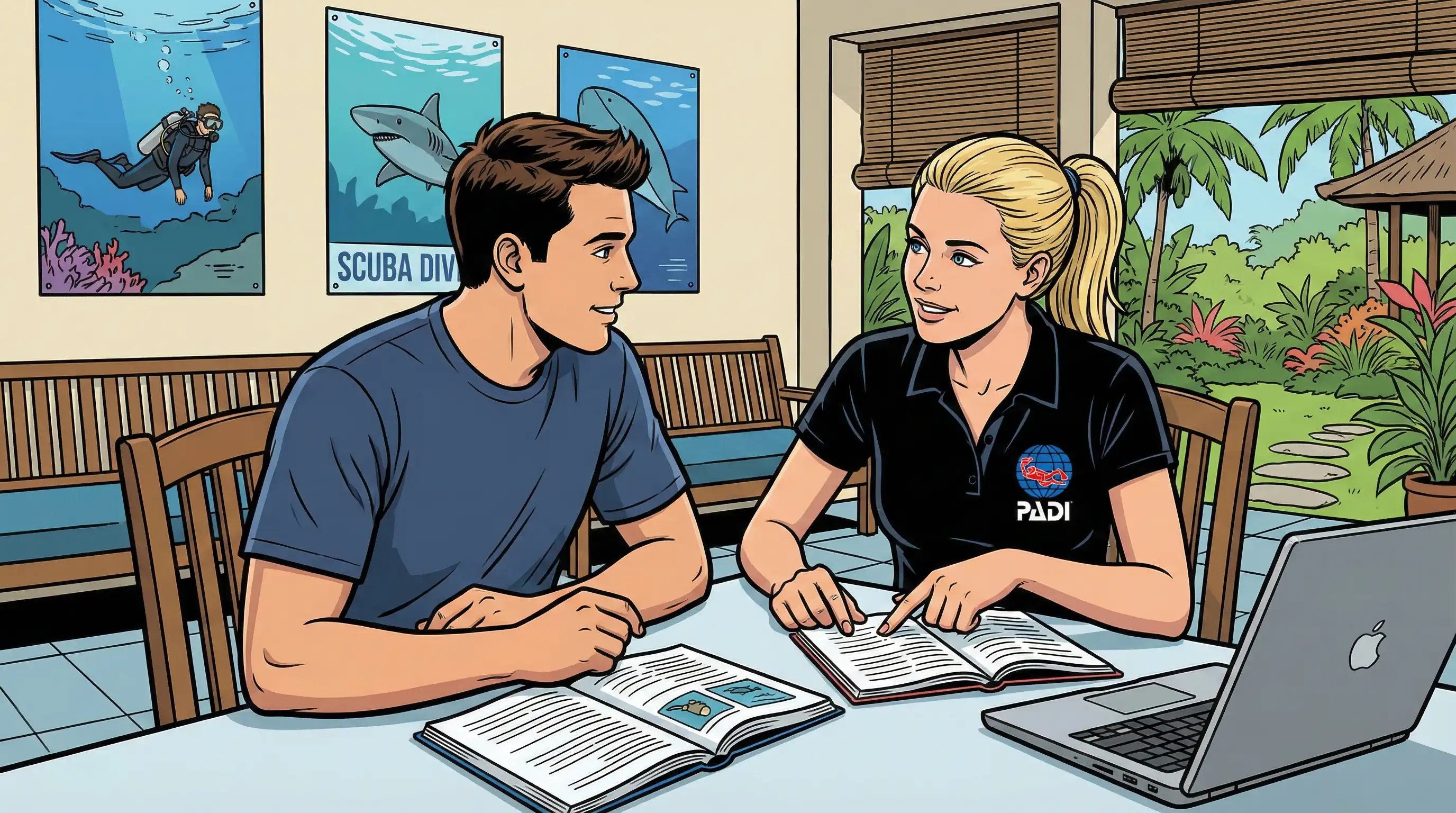
The PADI Divemaster course in Bali turns certified recreational divers into dive professionals who can lead certified dives, help PADI instructors, and start a diving career in one of the world's most biodiverse marine settings.

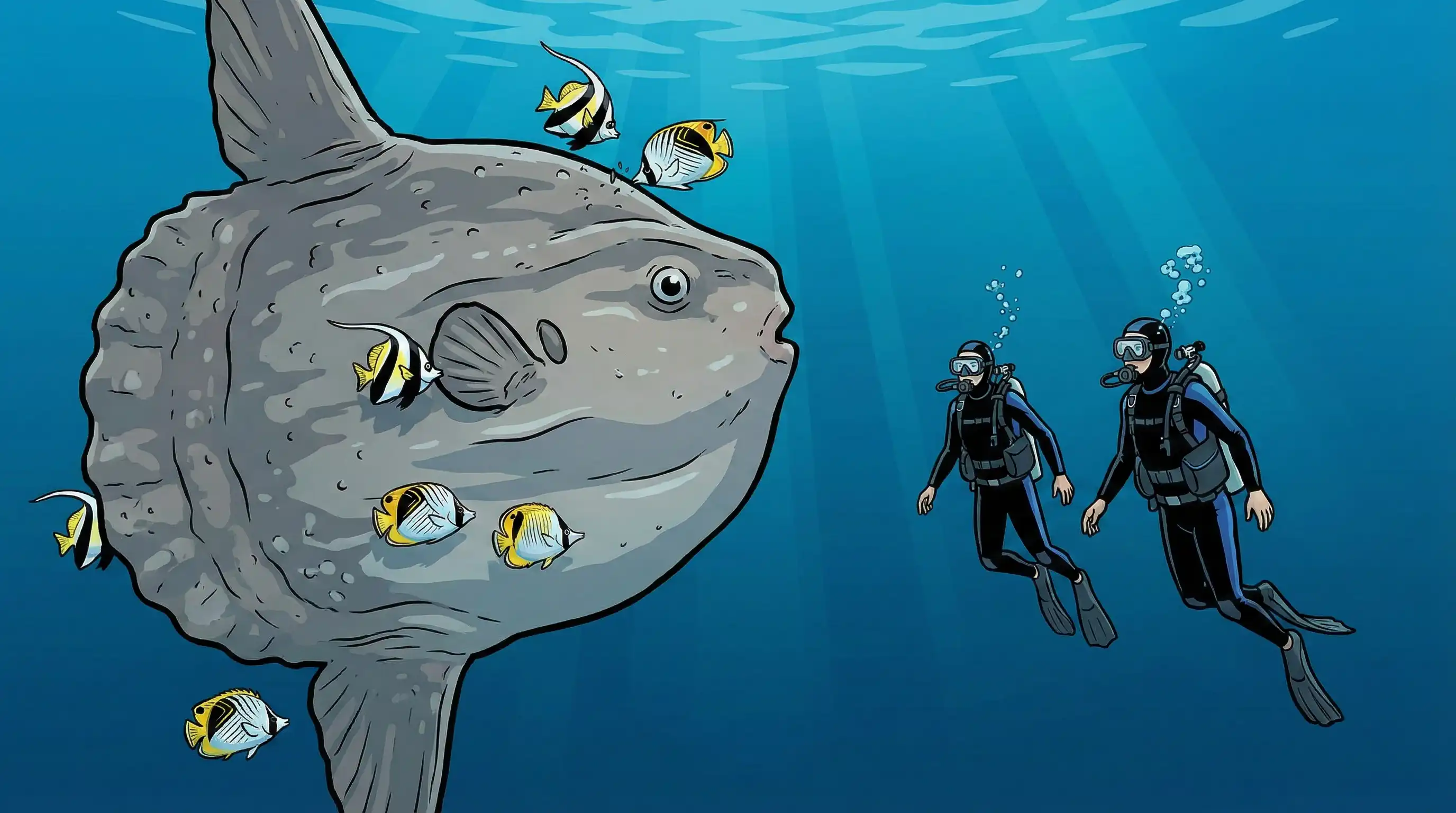
Bali's mola mola season lasts from July to October. The best times to see them are in August and September, when cold water upwelling takes the world's largest bony fish to depths that are easy to get to in Nusa Penida and Nusa Lembongan.

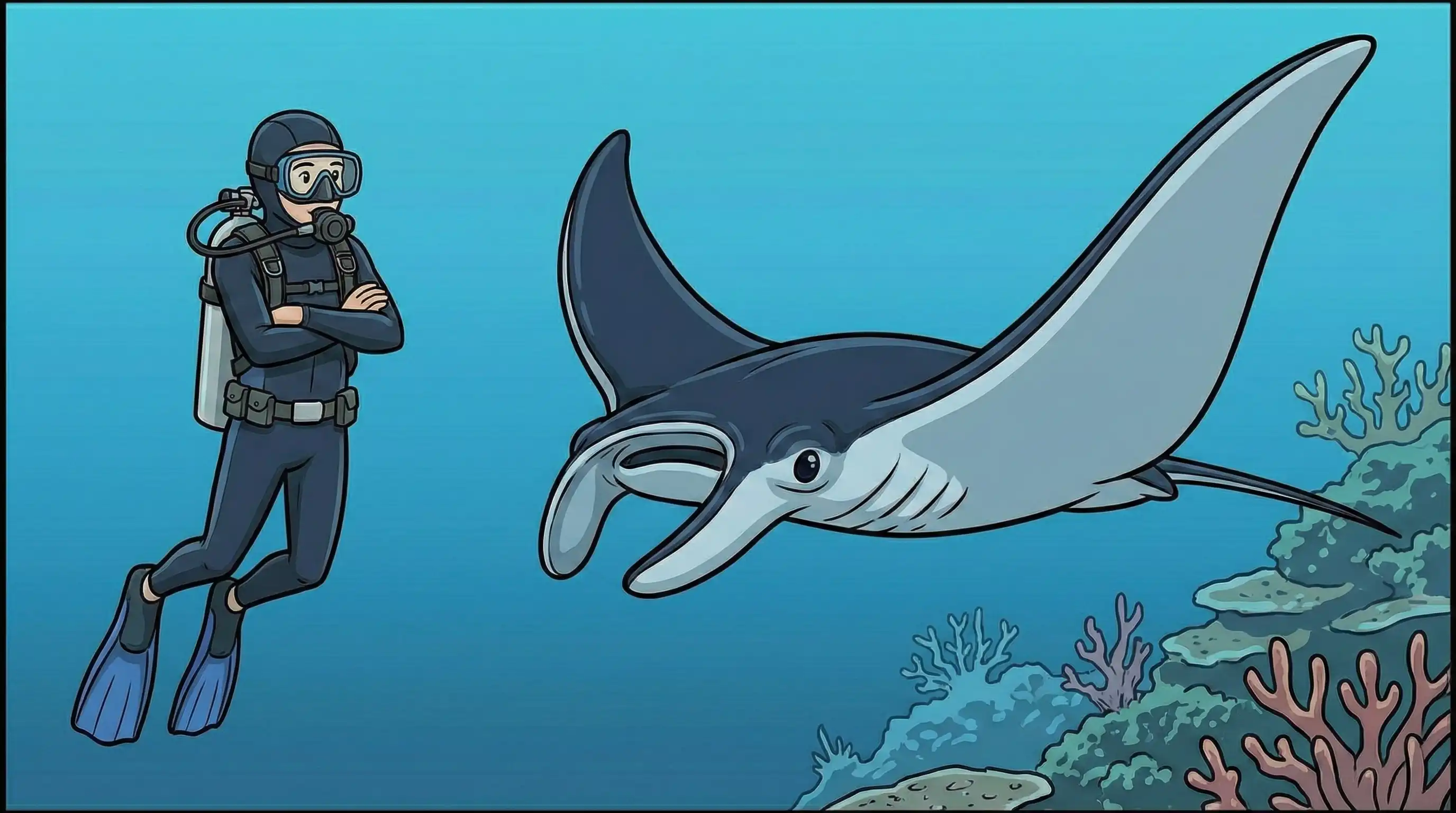
Are Manta Rays dangerous? No, manta rays don't hurt people. These beautiful creatures are not dangerous to swimmers, snorkelers, or divers in any manner.

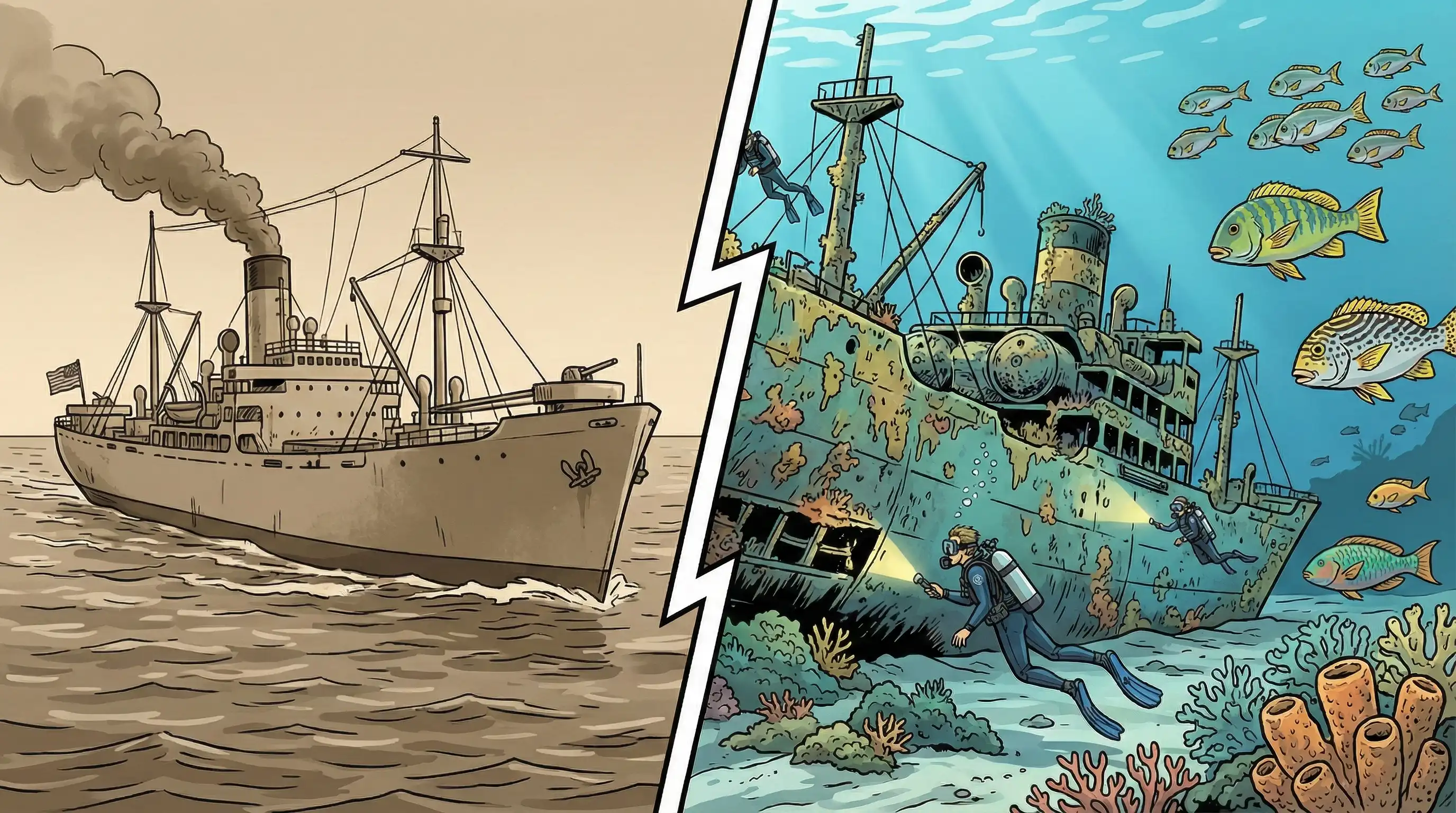
The USS Liberty Bali shipwreck in Tulamben stands as Bali’s most famous dive site and one of the best sunken ship wrecks accessible to divers of all experience levels.