
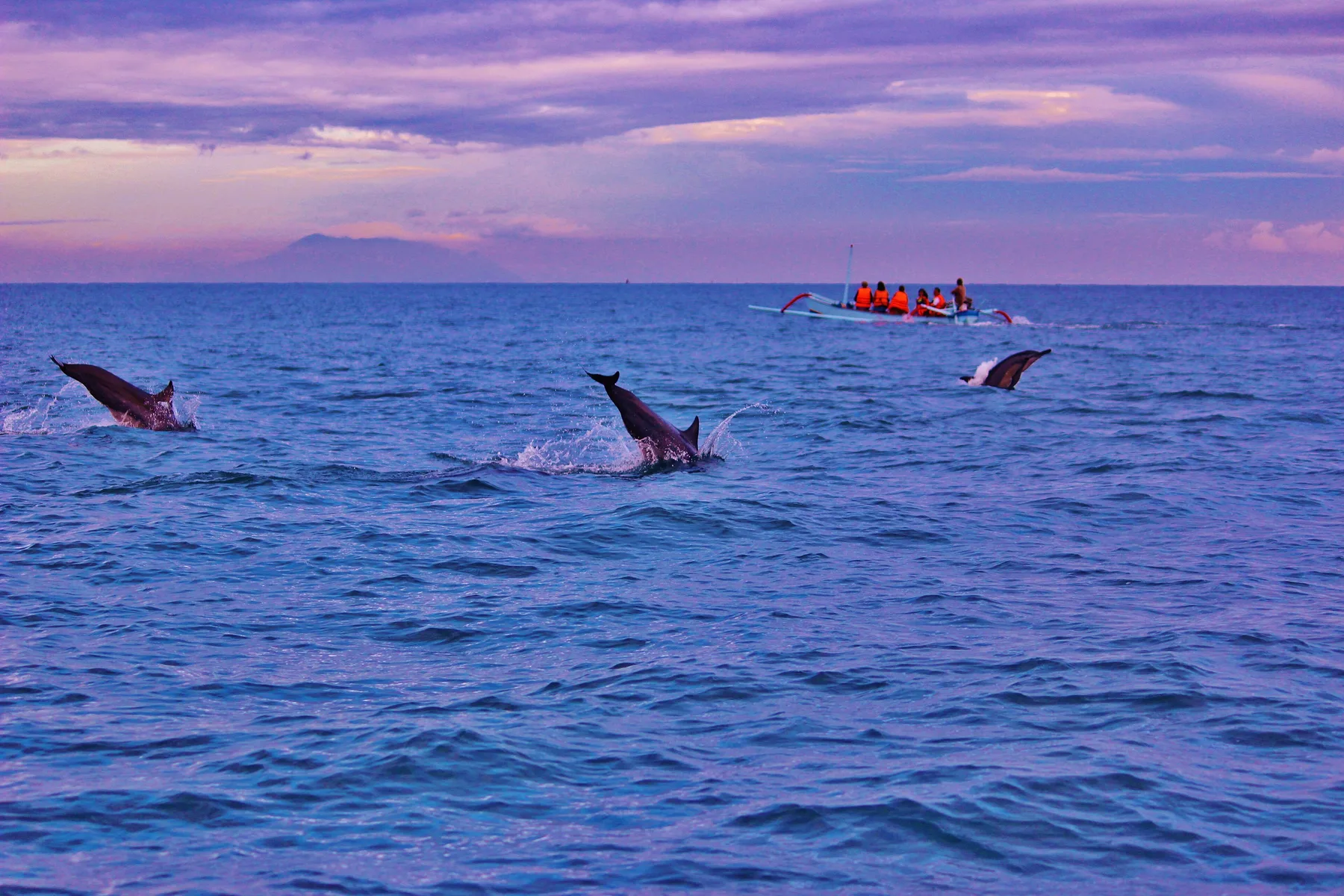
Guests ask us about Lovina roughly twice a week, and the question almost always arrives the same way. They have seen a photograph of dolphins leaping out of a pink sunrise, they have worked out that it is on the opposite side of the island from where they are staying, and they want to know whether the drive is worth it. It is a fair question and it deserves a straight answer. We run Menjangan Island diving in Bali up on that same north coast, which means we drive past the Lovina turnoff more often than most people based in the south, and we have a fairly unsentimental view of the place.
Here is the short version. Lovina is worth two nights rather than a day trip, and the dolphins are probably the least interesting thing you will do there. That sounds harsh, so let us qualify it straight away: the north is the part of Bali that has not been redecorated for visitors, and that alone makes it worth the fuel. If you have seven days and your priority is getting in the water, you will get far more out of the east coast sites we cover under scuba diving in Bali than out of a three hour drive over the mountains. Give yourself ten days or more and the calculation changes completely.
The Short Answer: Who Lovina Suits, and Who Should Skip It
Lovina is worth visiting if you have ten days or more in Bali, you want a quiet base for the waterfalls and mountain villages of the north, or you are heading to Menjangan and Pemuteran anyway. It is not worth visiting for the dolphin trip alone, and it is a poor choice for a short holiday or a beach holiday.
Go to Lovina if
- You have ten days or more and want two or three nights somewhere that is not built for tourists.
- You are diving Menjangan or Pemuteran and would rather sleep ninety minutes away than five hours away.
- The waterfall belt around Munduk and Sekumpul is on your list, and it should be.
- You travel with people who do not dive, because there is enough on land here to keep them busy.
- You like a town where dinner costs IDR 60,000 and nobody is trying to sell you a scooter tour.
Skip Lovina if
- You have a week or less. The driving will eat a full day in each direction once you factor in stops.
- You want a swimming and sunbathing beach. The sand is black volcanic grit and it gets genuinely too hot to stand on by ten in the morning.
- Nightlife matters to you. Kalibukbuk has maybe a dozen bars and most are quiet by eleven.
- You are chasing the best diving in Bali. That is Nusa Penida, Tulamben and Menjangan, and only one of those is up here.
Where Lovina Is, and Why the Drive Takes Longer Than It Looks
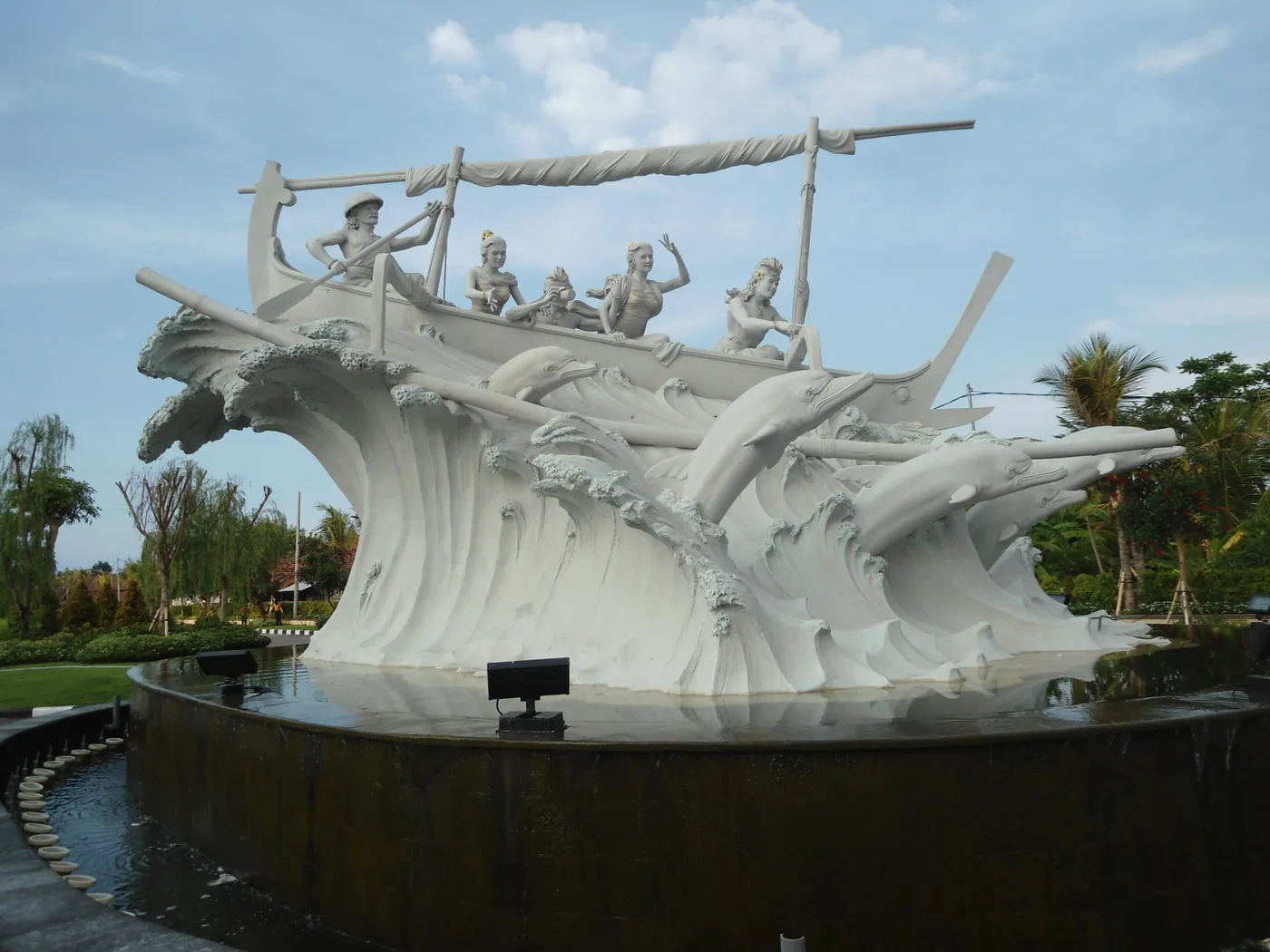
Lovina sits on the north coast of Bali in Buleleng regency, facing the Bali Sea rather than the Indian Ocean. The first thing to understand is that Lovina is not a village. The name was coined in the 1950s by Anak Agung Panji Tisna, the last raja of Buleleng and a novelist, and it covers a string of seven small coastal settlements running for about eight kilometres along the main road: Pemaron, Tukad Mungga, Anturan, Banyualit, Kalibukbuk, Kaliasem and Temukus. When people say they are staying in Lovina they almost always mean Kalibukbuk, which has the dolphin monument, most of the restaurants and the only stretch that feels like a centre.
On a map it is about ninety kilometres from Sanur. That looks like ninety minutes and it is nothing of the sort. Budget two and a half to three hours if you leave early, three and a half if you leave at nine with everyone else. The road climbs over the central mountains through Bedugul, drops down a series of switchbacks past Gitgit, and the last stretch into Singaraja is slow. Our drivers reckon on three hours and are right more often than the map is.
There is a second route, west through Tabanan and up the coast via Gilimanuk, and it is longer in distance but flatter and sometimes faster in heavy rain. It is also the sensible option if you are combining the trip with Menjangan. Most visitors go up over the mountains and come back along the coast, or the other way around, which is the right instinct because you see two completely different halves of the island.
Lovina beach is black sand and flat water
Manage your expectations here and you will be fine. The sand is dark grey to black, which is what volcanic islands give you, and by mid morning it is hot enough that you will hop across it to reach the water. There is no surf. The north coast is sheltered from the swell that batters the south, so on most days the sea is flat enough to look like a lake, which makes it genuinely good for nervous swimmers and small children.
What Lovina is not is a beach holiday destination. There is no long sweep of loungers, the beach is narrow, and fishing boats are pulled up along most of it because this remains a working coast. Treat it as a base rather than a destination and it works well. The sunsets are excellent, helped by a coastline that runs east to west, so the sun drops along open water instead of disappearing behind a headland.
The altitude warning nobody gives divers
This one matters and it gets ignored constantly. The Bedugul route crosses the mountains at roughly 1,200 to 1,500 metres. If you have been diving that morning, that drive is the equivalent of a low altitude flight, and the surface interval rules apply exactly the same way. We will not let guests dive with us in the morning and then set off for Lovina over the mountains the same afternoon, and if you have dived with somebody else and are planning it, please do not. Take the coast road through Gilimanuk instead, or leave the mountain crossing until the following day. We go into the numbers in our guide to flying after scuba diving and driving Bali's mountain roads, and the short version is that a night on the coast solves the problem entirely.
The Lovina Dolphin Tour: What Actually Happens at Dawn
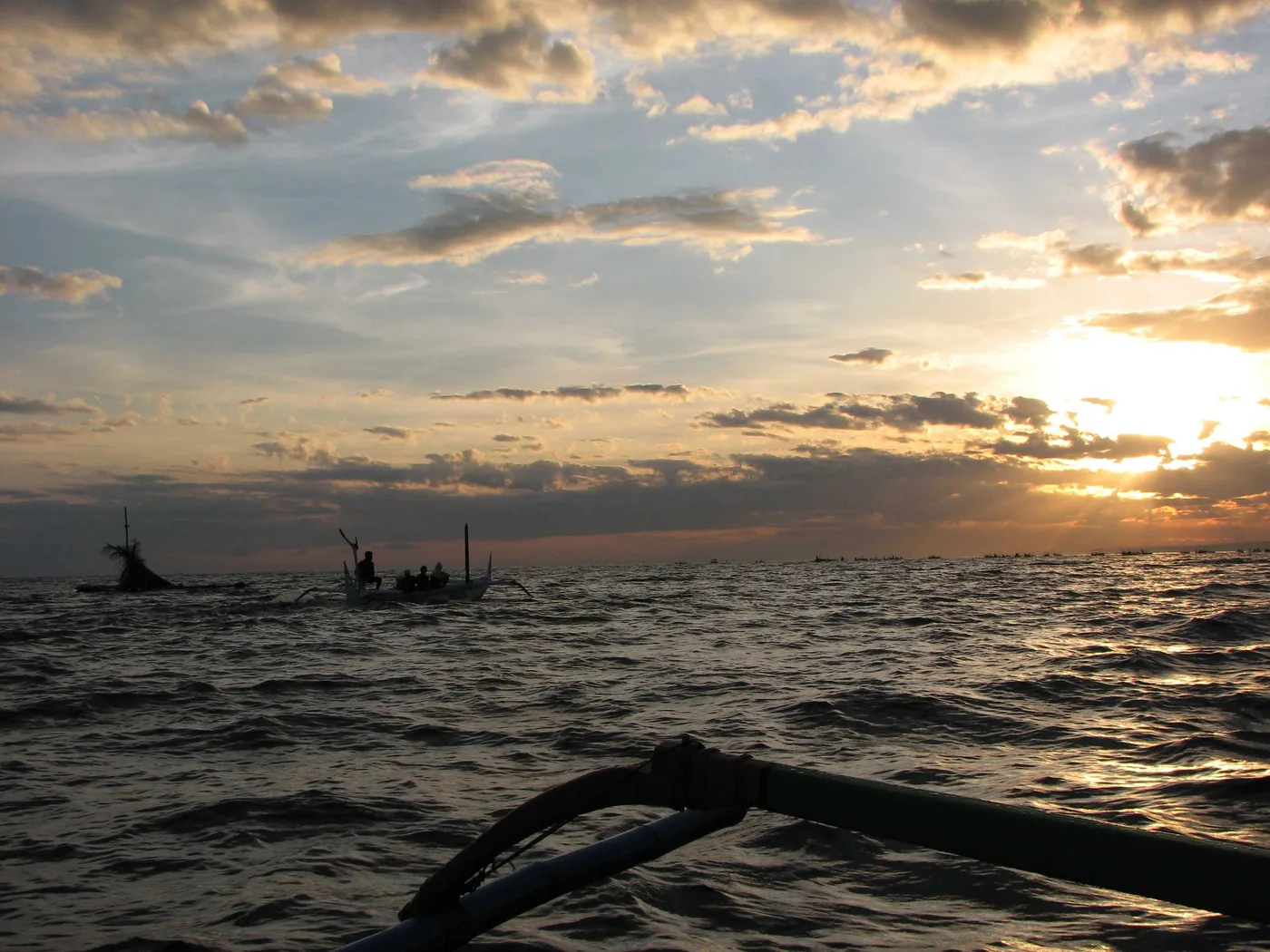
This is the thing Lovina is famous for, so let us describe it honestly rather than repeating the brochure. You will be woken at about half past five. A man will meet you on the beach in the dark, you will wade out to a jukung, which is the narrow wooden outrigger canoe that fishermen here have used forever, and you will putter out into flat grey water with an outboard that sounds like a lawnmower. The sun comes up over the hills to your right and the light goes from grey to pink in about ten minutes. That part is genuinely lovely and would be worth the early start on its own.
What you actually see
Spinner dolphins, mostly, in pods that can run to fifty or sixty animals. They are small, quick and they do exactly what the name suggests, coming out of the water and rotating on their own axis before they land. Spotted dolphins turn up too, less often. You are watching them from a metre above the surface in poor early light, so set your expectations against that rather than against a wildlife documentary. Sightings are common. Nobody sensible guarantees them, and any operator who does is telling you what you want to hear. If marine life is the point of your trip, our guide to sea turtles in Bali covers the encounters you can rely on rather than hope for.
What it costs and how long it takes
Expect somewhere around IDR 100,000 to 150,000 per person on a shared boat, and roughly IDR 400,000 to 500,000 if you want the jukung to yourselves. Prices creep up most years and every hotel adds a margin, so booking directly with a boatman on the beach the evening before is both cheaper and easier than it sounds. The trip runs about ninety minutes to two hours and you are back on the sand before eight, which leaves the whole day intact. Bring cash. There is no card machine on a jukung.
One honest note on the boats
There are a lot of them. On a busy morning in July you might have thirty or forty boats out at once, and when a pod surfaces the fleet converges. Some drivers hang back and cut the engine. Others do not. You can influence this more than you would think: tell your boatman before you leave that you are happy to watch from a distance and you do not want him to chase, and most will simply agree, because it is less work. Choose a driver who talks about where the dolphins usually feed rather than one who promises to get you closest. The morning is better for it, and so are the dolphins.
Diving and Snorkelling on Bali's North Coast
We should be straight about this, since it is our own field. The reef directly off Lovina is pleasant and unremarkable. There is coral in eight to fifteen metres, a reasonable amount of small reef fish, and a couple of operators in Kalibukbuk who will happily take you out. If you have dived Tulamben or Nusa Penida you will find it thin. If Lovina is where you happen to be and you want a relaxed morning in the water, it is perfectly good.
The reason divers come to this half of the island is ninety minutes further west. Diving Menjangan Island means walls that drop from three metres to well past forty, visibility that regularly runs beyond thirty metres, and the calmest conditions of any site in Bali. It sits inside West Bali National Park, so there is a park fee on top of whatever you pay your operator, and it is the one north coast dive that people plan whole trips around.
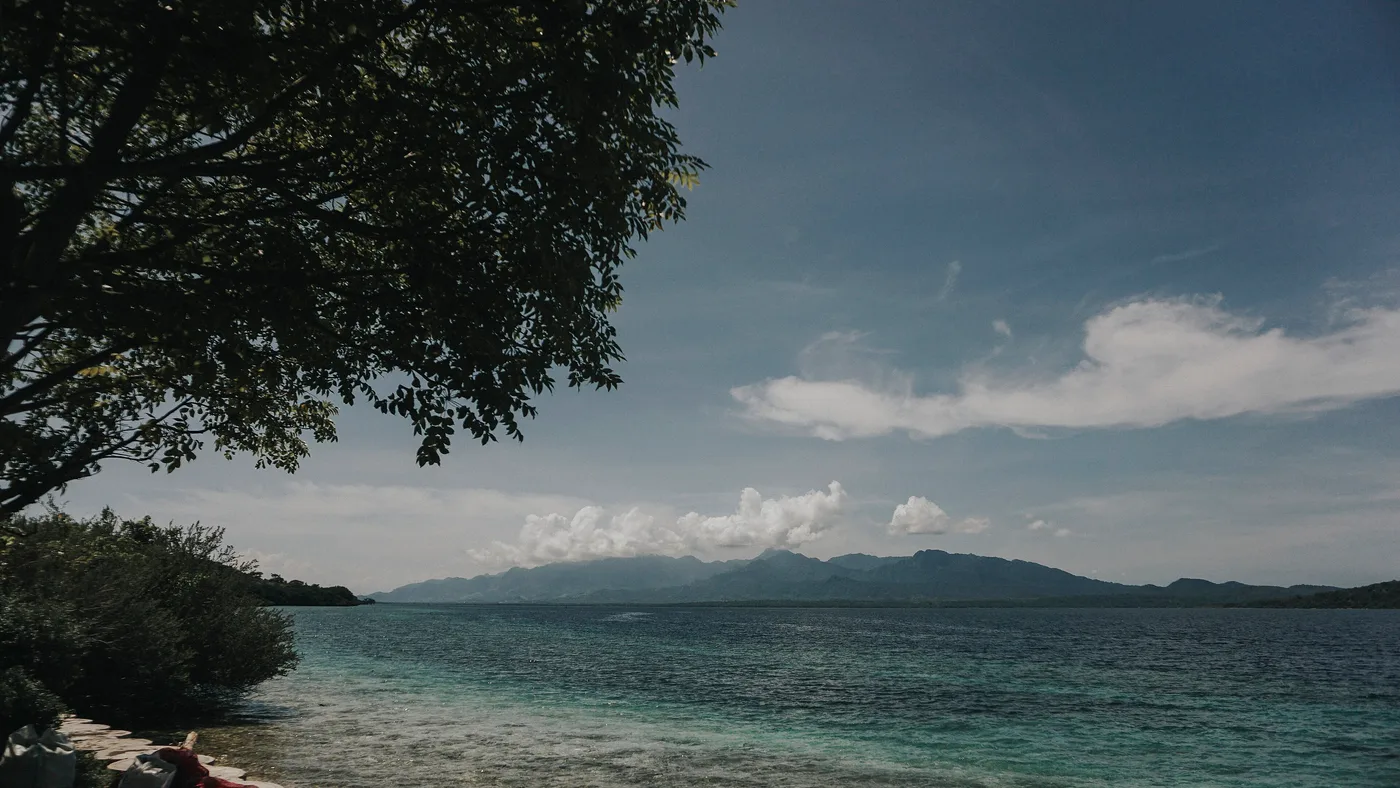
Here is where staying in Lovina pays for itself if you dive. We run our Menjangan day trip from Sanur as a twelve to fourteen hour day. Hotel pickup is at six in the morning, we drive straight through to arrive at the boat between half past nine and ten, and we drop guests home around eight in the evening. It is a long day and we tell everybody so before they book. From Lovina the same dive site is about ninety minutes away. If Menjangan is a priority for you, sleeping in the north for a night or two turns our marathon into a normal morning.
Pemuteran, an hour west of Lovina, is the other reason to come up here. It has the largest biorock coral restoration project in the world, a set of submerged steel structures with a low electrical current running through them that accelerates coral growth, and the shallow bay in front of the village is easy shore diving and very good snorkelling in Bali for anyone who does not dive. The muck diving there is also excellent, and we cover the critters in our guide to macro and muck diving in Bali.
For context on how the north compares with the rest of the island, our roundup of the best places to scuba dive in Bali ranks all of it side by side, and Bali diving conditions by season will tell you when the north is at its best. Short answer on that: October and November give Menjangan its clearest water.
Banjar Hot Springs and the Buddhist Monastery Above It
Twenty minutes west of Kalibukbuk, up a lane through clove trees, Air Panas Banjar is a set of three tiered bathing pools fed by a sulphur spring. Carved stone naga heads spout the water into the pools from about two metres up, which means you can stand under them and take a hot, hard shoulder massage for free. The water sits somewhere around 37 degrees and smells faintly of eggs, as sulphur water does everywhere.
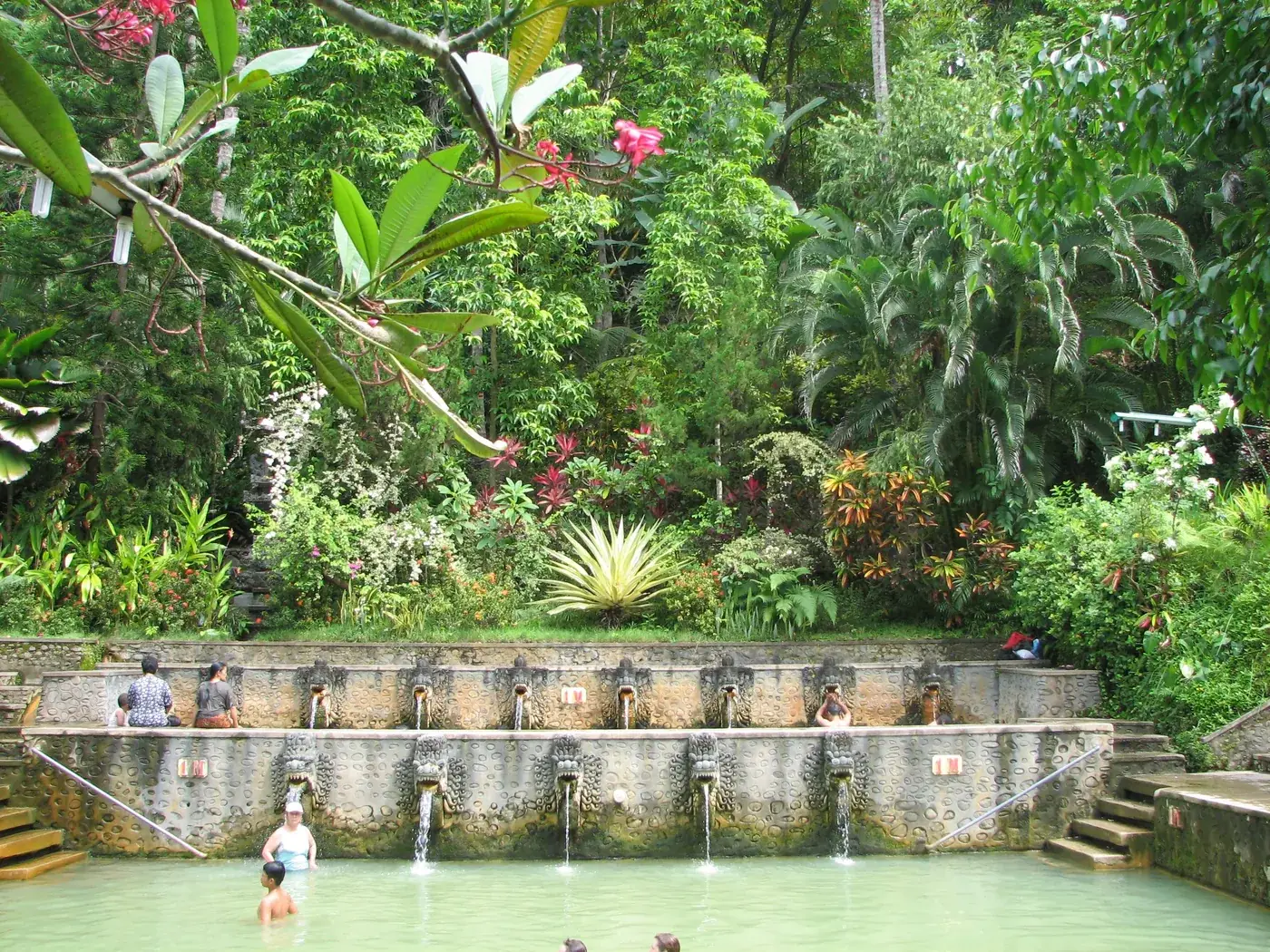
Go early. By ten in the morning the tour buses arrive and the middle pool becomes a crowd. At seven you will often have it to yourself apart from a few locals. Entry is around IDR 30,000 a head at the time of writing, there are lockers and changing rooms, and there is a restaurant on the terrace above the pools that is better than it needs to be. One practical note for divers: a long hot soak is not the ideal thing to do immediately after diving, so save it for a surface day.
Ten minutes further up the same road is Brahmavihara-Arama, the largest Buddhist monastery in Bali and one of the quietest places on the island. It was founded in 1970, badly damaged by the Seririt earthquake that flattened much of this coast in 1976, and rebuilt afterwards. The terraces climb the hillside through carved gates to a miniature replica of Borobudur at the top. From the upper terrace you can see the whole north coast laid out below.
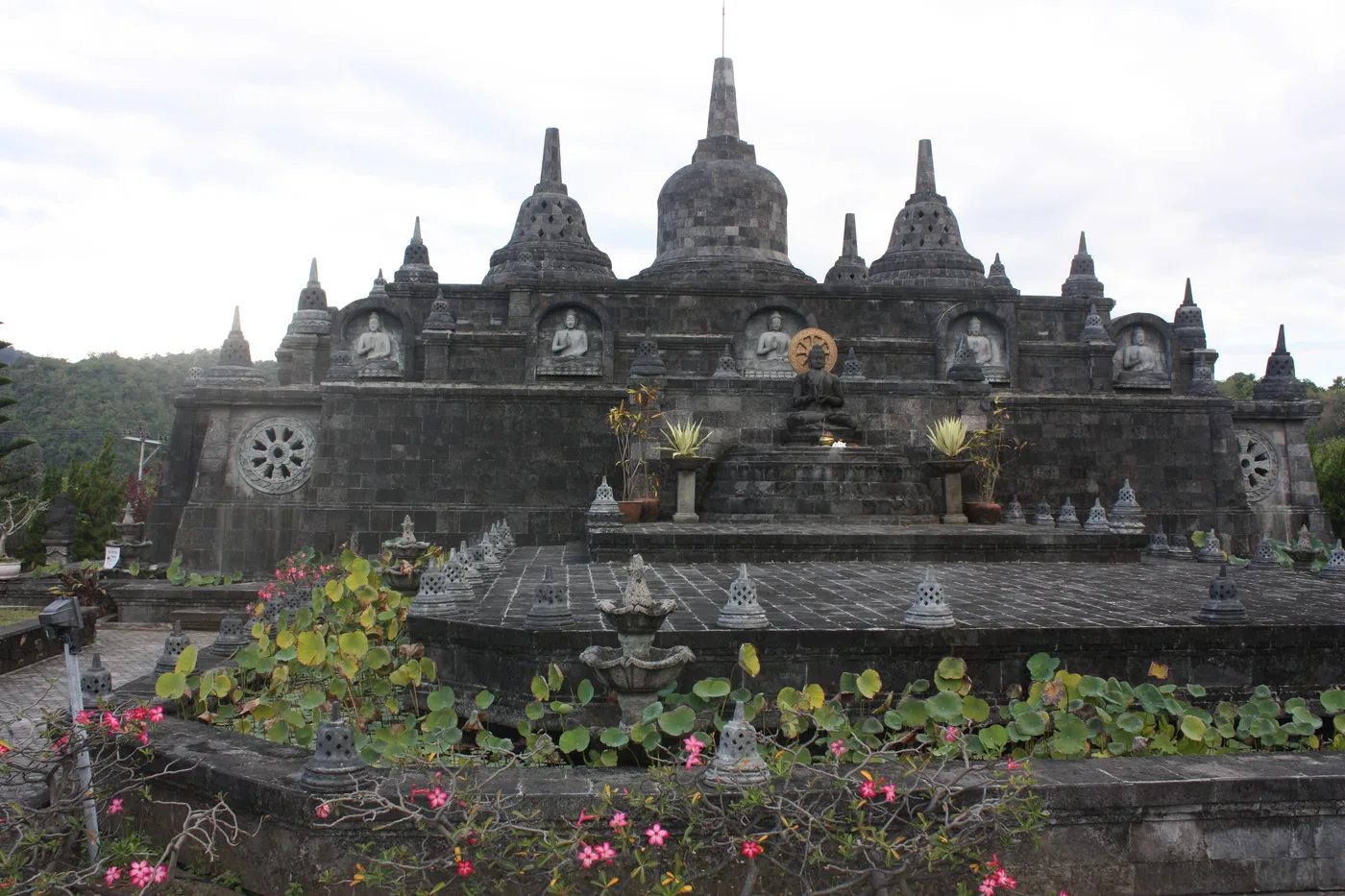
It is a working monastery, so cover your shoulders and knees. Sarongs are available at the entrance and there is a donation box rather than a ticket window; IDR 20,000 to 30,000 per person is normal and appreciated. There is a meditation hall that visitors can sit in if it is not in use. Almost nobody does, which is a shame, because sitting there for ten minutes is the single most restful thing available in north Bali.
Munduk, the Twin Lakes and the Waterfall Belt
If we had to defend Lovina on one argument alone, it would be this: it puts you forty five minutes below the best hill country in Bali. Munduk is strung along a ridge in old Dutch plantation country, somewhere between 600 and 800 metres depending which end of the village you are standing in, and the drive up from the coast climbs through clove, coffee and cacao. The temperature drops about ten degrees. There is usually cloud sitting in the valleys in the afternoon and it can be genuinely cold at night by Bali standards, which after two weeks of coastal humidity feels like a holiday from the holiday.
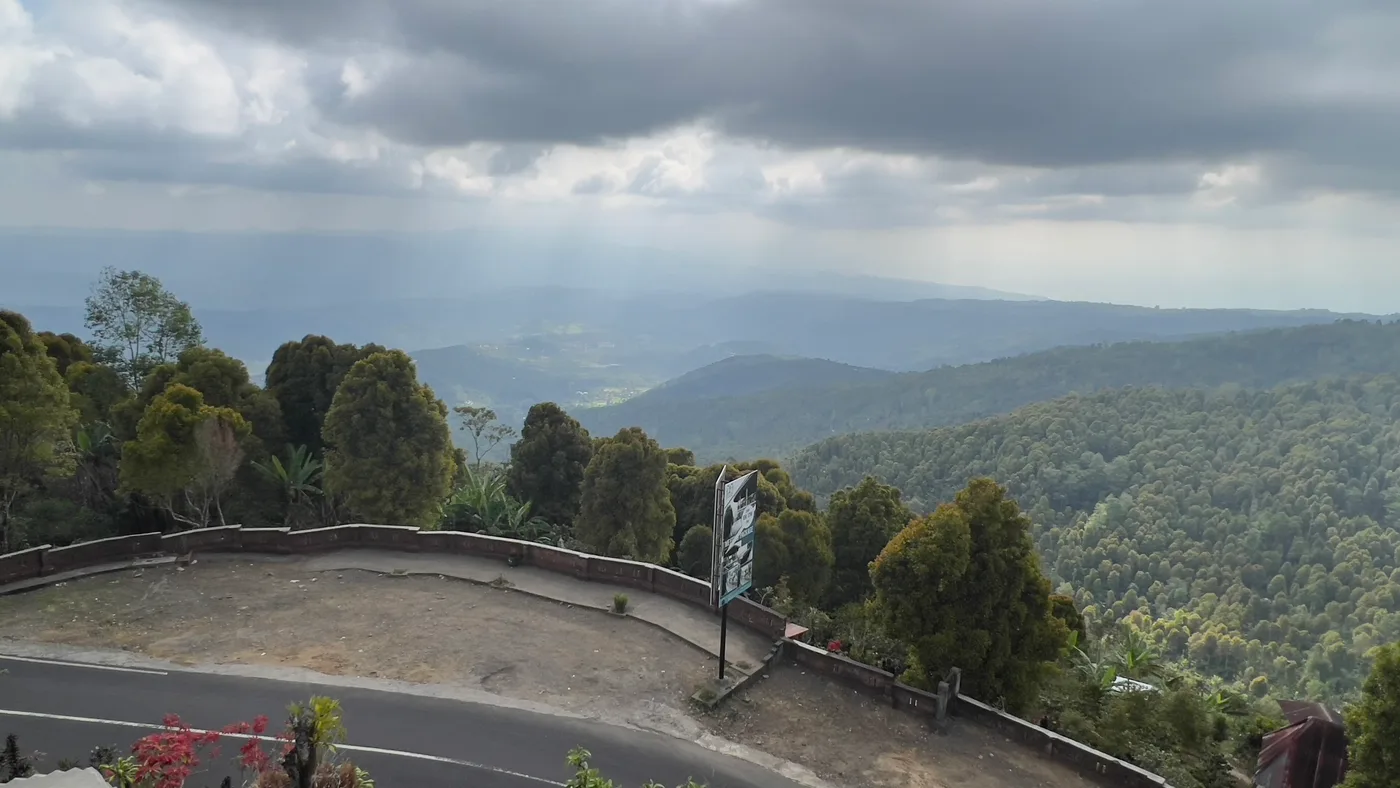
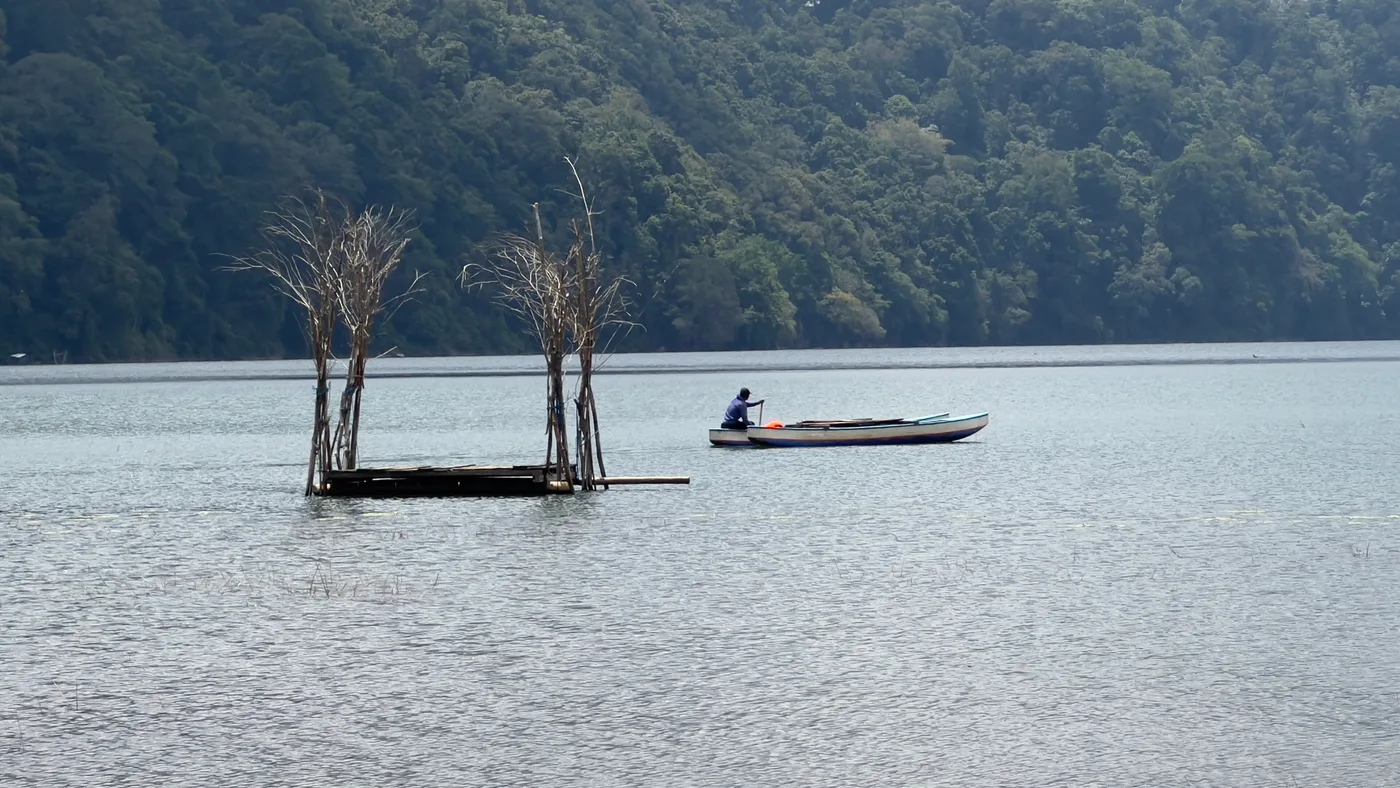
Above Munduk are the twin crater lakes, Buyan and Tamblingan, sitting side by side in the same old caldera with a forested ridge between them. Tamblingan is the quieter of the two and the more atmospheric, with a handful of small temples on the shoreline and dugout canoes that local families still use. There is a viewpoint on the ridge road between the two lakes that every Bali photographer has stood on, complete with the swings and nest platforms that have colonised every scenic spot on this island. Walk two hundred metres past it and the crowd disappears.
This is also the densest concentration of waterfalls in Bali. Sekumpul, Banyumala, Banyu Wana Amertha, the two Munduk falls and Gitgit are all inside an hour of Lovina, and we have written them up individually with entry fees, walking times and honest assessments of which ones justify the effort in our guide to the best waterfalls in Bali. Rather than repeat that here, we will just say that Sekumpul is the one to prioritise if you only do one, and that the same altitude rule from earlier applies: these are all up in the hills, so do not stack them onto a diving day.
Bedugul and the lake temple at Ulun Danu Beratan are on the same road, about an hour from Lovina, and you will probably pass them coming or going. It is beautiful and it is extremely busy. Arrive before eight or accept the coaches.
Singaraja: Bali's Old Colonial Capital
Fifteen minutes east of Lovina is Singaraja, which most visitors drive through without stopping and which is more interesting than it looks. It was the capital of Bali under the Dutch until 1958, so it is the one town on the island with genuine colonial architecture, wide streets and an old port district. The port at Buleleng has a waterfront promenade, a Chinese temple, a mosque and a Balinese temple within a few hundred metres of each other, which tells you a great deal about how this coast traded for four hundred years.
The Gedong Kirtya library is the specific reason to go. It holds several thousand lontar manuscripts, palm leaf texts inscribed with a stylus and blackened with soot, covering everything from medicine and astrology to religious epics. It is a small, slightly dusty institution with limited opening hours and it is the only library of its kind in the world. Half a morning covers Singaraja comfortably. It is not a full day.
Continue thirty minutes east and you reach Yeh Sanih, spring fed freshwater pools right beside the sea. It is a local swimming spot more than a tourist attraction, cold and clear, and pleasantly ordinary in a way that most of Bali no longer manages.
Planning the Trip: Itinerary, Costs and What to Pack
A two-night north Bali plan that actually works
This is the itinerary we give guests who ask, and it assumes you are coming from the south and going back there. If you are ending in Menjangan or continuing to Java, adjust the last day.
Day one. Leave the south by eight. Drive up through Bedugul, stop at Ulun Danu Beratan early enough to beat the coaches, then take the ridge road past the twin lakes and drop into Munduk for lunch. Do one waterfall in the afternoon. Reach Lovina before dark and book your dolphin boat for the following morning while you are eating dinner.
Day two. Dolphins at six, back by eight, breakfast, then Banjar hot springs and Brahmavihara-Arama before the buses. Afternoon free for the beach or Singaraja. This is the day to do nothing much, and you will be glad of it.
Day three. Menjangan or Pemuteran in the morning, which is an easy ninety minutes west, then either drive home along the west coast through Gilimanuk or stay another night if the diving grabbed you. If you dive on day three, do not drive over Bedugul on the way back.
What the trip costs
| Item | Typical price | Notes |
|---|---|---|
| Car and driver, per day | IDR 700,000 to 900,000 | Fuel usually included, driver's meals are not. Tip if he waits all day. |
| Dolphin boat, shared | IDR 100,000 to 150,000 | Per person. Book on the beach the night before. |
| Dolphin boat, private | IDR 400,000 to 500,000 | Whole jukung. Worth it for two or three people. |
| Banjar hot springs | Around IDR 30,000 | Per person. Lockers extra. |
| Brahmavihara-Arama | IDR 20,000 to 30,000 | Donation, not a fixed ticket. Sarong provided. |
| Waterfall entry | IDR 20,000 to 125,000 | Varies enormously. Sekumpul is the expensive one. |
| Guesthouse in Kalibukbuk | IDR 300,000 to 800,000 | Per night. Considerably cheaper than the south. |
| Dinner for two | IDR 120,000 to 250,000 | Local warung to a decent beachfront restaurant. |
Carry cash. There are ATMs in Kalibukbuk and plenty in Singaraja, but the hot springs, the boatmen, the waterfall gates and most warungs are cash only, and the machine in Kalibukbuk has a habit of being empty on Sunday. For a wider view of trip budgeting, our breakdown of what scuba diving in Bali costs covers the diving side, and current rates for our own trips are on the Bali diving price list.
Getting there without your own driver
Ride hailing apps work in Singaraja and patchily in Lovina, but they will not take you back over the mountains for a sensible price. Perama runs a shuttle bus from the south that takes about four hours. Most people hire a car and driver for the day, which at IDR 700,000 to 900,000 split between three or four is the cheapest sensible option and lets you stop wherever you want. Scooters are fine along the coast road and genuinely dangerous on the Bedugul switchbacks in rain.
Water, weather and what to pack
Sea temperature on the north coast sits around 28 to 29 degrees most of the year, a degree or two warmer than the south, and there is no cold thermocline of the sort that catches people out at Nusa Penida. A three millimetre wetsuit is plenty. Bring a light fleece anyway, because Munduk at night is fifteen degrees and nobody packs for that. Mosquito repellent matters more here than in Sanur, particularly at dusk in the hills. Reef safe sunscreen, a dry bag for the boat, and shoes with grip for the waterfall paths. Our full Bali scuba diving packing list covers the rest.
If you are learning to dive
You can certify in the north, but we would not recommend planning it that way. Course logistics work far better where the dive centre, the shallow training bay and the accommodation are in the same place, which is why we run the PADI Open Water Diver course in Bali out of Sanur and take students to Padang Bai and Tulamben for their open water dives. If you have never breathed underwater and want to find out whether you like it before committing, a try dive in Bali takes half a day. Beginners heading to Bali for the first time will find our guide to your first diving trip to Bali more useful than anything on this page.
Where to Base: Lovina Compared With Sanur, Amed and Pemuteran
Most people asking about Lovina are really asking where to sleep, so here is the comparison we would give at the counter.
| Base | Best for | To Menjangan | Trade-off |
|---|---|---|---|
| Sanur | Nusa Penida, courses, everything organised | 4.5 hours | Menjangan becomes a very long day |
| Lovina | Waterfalls, Munduk, dolphins, quiet | 1.5 hours | Ordinary local diving, black sand beach |
| Pemuteran | Menjangan, biorock, muck diving | 45 minutes | Very quiet, little to do on land |
| Amed | Shore diving, freediving, Tulamben | 5 hours | Wrong side of the island for the north |
| Tulamben | The Liberty wreck, macro | 4 hours | Small village, one main attraction |
Our own view, and we are obviously not neutral about it, is that most visitors should base in Sanur for the bulk of a trip and take two or three nights up north as a separate loop. Sanur has the infrastructure, it is the launching point for Nusa Penida diving day trips from Bali, and it is where our dive centre in Sanur actually is. But splitting your stay is almost always better than trying to do the north as a day trip, and we say so even when it costs us a booking. Our full guide to where to stay in Bali for diving works through the split-stay options properly, and the Bali dive trip itinerary planner has five, seven and ten day versions that include the north.
If you are still deciding when to come at all, the best time to visit Bali month by month covers rainfall and crowds, and it is worth knowing that the north is drier than the south for much of the year. Even in the wet season the north often stays clear when Ubud is under cloud, which is covered in our honest take on diving Bali in the rainy season.
So, Is Lovina Worth Visiting?
Yes, with conditions attached. Go for the north as a region rather than for Lovina as a town, give it two nights minimum, and treat the dolphins as a pleasant early morning rather than the reason you drove three hours. What you are actually buying is the hill country above it, the hot springs, the monastery, the waterfall belt and, if you dive, a much shorter run to Menjangan than anyone in the south gets.
What we would not do is drive up and back in a day. We have had guests try it, and they arrive back in Sanur at ten at night having spent seven hours in a car to look at a beach and a statue. If the schedule only allows a day trip, spend it on diving Tulamben on Bali's north east coast or on diving Padang Bai in east Bali instead and save the north for a trip where you can give it the time it needs.
Come and ask us in person if you are already in Sanur. We will tell you the same thing over the counter that we have written here, and if you want to build the north into a longer diving trip, get in touch with our Sanur team and we will work out the driving days with you. Meanwhile, if you want more ideas for the non-diving half of your holiday, our roundup of things to do in Bali and the list of Bali fun facts will fill in a few gaps, and if your dates fall near Nyepi, the Balinese day of silence, read that one first, because the whole island shuts down including the dolphin boats.